
Note to readers: Apologies for the way this looks. I’m working with WordPress’ new block editor that makes little sense for what I do, and I’m highly annoyed at the way the photos and captions look. If I can’t figure it out in the next few months, I may be moving my blog elsewhere since I have no intention of paying for something that brings in no money.
🎃🎃🎃🎃
In a month when the weather has finally turned cold (the heater in the bathroom has now been switched on), bracketed by full moons at its beginning and end, and during which we celebrate Halloween, how better to chip in than to explore words related to fear?
Because, ya know, I’m nerdy like that.
I’m helped again in my word-nerdiness by Grandiloquent Word of the Day, which so far this month has featured phobias, and which I suspect they’ll do for the rest of the month. It’s not like there aren’t plenty of them out there, including one of my own, coulrophobia, featured this past Saturday.
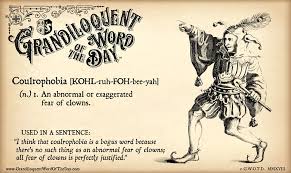
That would be an abnormal or exaggerated fear of clowns, though I would argue, as does the example sentence: “I think that coulrophobia is a bogus word because there’s no such thing as an abnormal fear of clowns; all fear of clowns is perfectly justified.” I’ve mostly gotten past my fear, but I definitely do not trust clowns as far as I can throw them (and my throwing arm is weak since I broke it 10-plus years ago). If John Wayne Gacy isn’t enough reason to avoid clowns as a rule, I don’t know what is. If you really need to have more examples of their creepiness, I can’t help you.

The first word featured this month (on that first full moon … ooooh) was politicophobia, an extreme fear of politics or politicians. Why, I’m shocked … who would be afraid of politicians in this day and age? Oh, yeah, most people, some of them for very good reason such as emoluments or other shady dealings; others of them say they don’t like politicians so vote for a “nonpolitician” who … surprise … is a politician, even if not a good one … except for making everything, even common-sense advice about a contagion, about politics.
This is why I hate politics. OK, one of the many reasons.
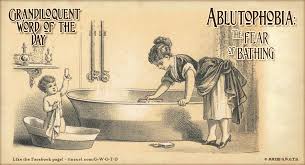
Ablutophobia is an irrational and overwhelming fear of bathing or washing, which a few of us who’ve spent months working at home might have by now. Then again, bathing may be the only moment of peace some of us get. I, for one, can’t hear the constantly barking dogs (I’m not kidding. All. The. Time.) or people yelling outside or thumping their car stereos when I’m in the shower. I’d say it really makes me miss home, but the last several times I was there, I had to listen to the same thing … just in a slightly different accent and punctuated by mooing and/or braying. I’d gladly take the mooing, though. That I miss.
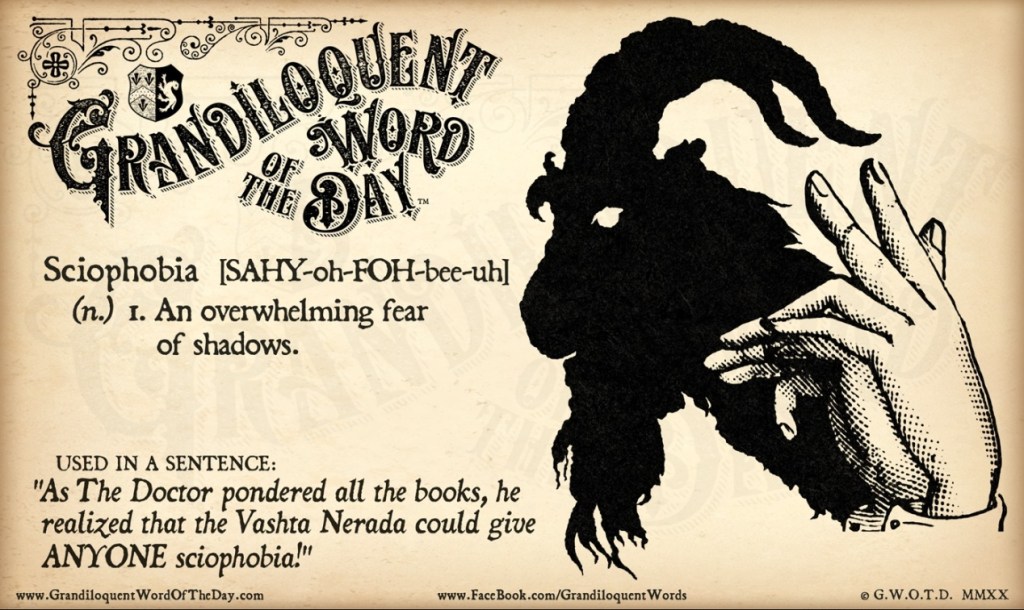
Sciophobia is an overwhelming fear of shadows, and if you watched the “Doctor Who” episode in the library featuring the Vashta Nerada (the shadows that melt the flesh), you’d fear them too. (Why, yes, I am a huge nerd and enjoy any chance to combine my love of words with my love for Doctor Who!) The Vashta Nerada feared The Doctor, though, so could be said to suffer from latrophobia (fear of doctors).
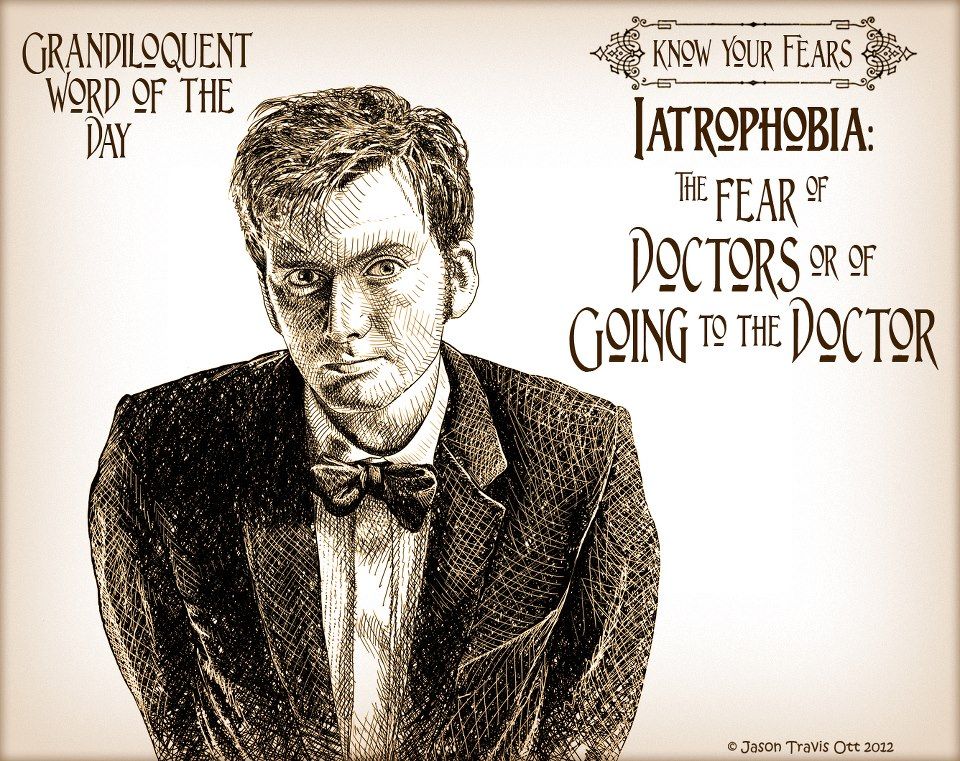
Of course, if you’re like me, you’d rather stick to the shadows so as not to be seen. If the Vashta Nerada really want to melt some of my flesh, they’re more than welcome to help me get down a few sizes. Just stop before you hit muscle tissue, please.
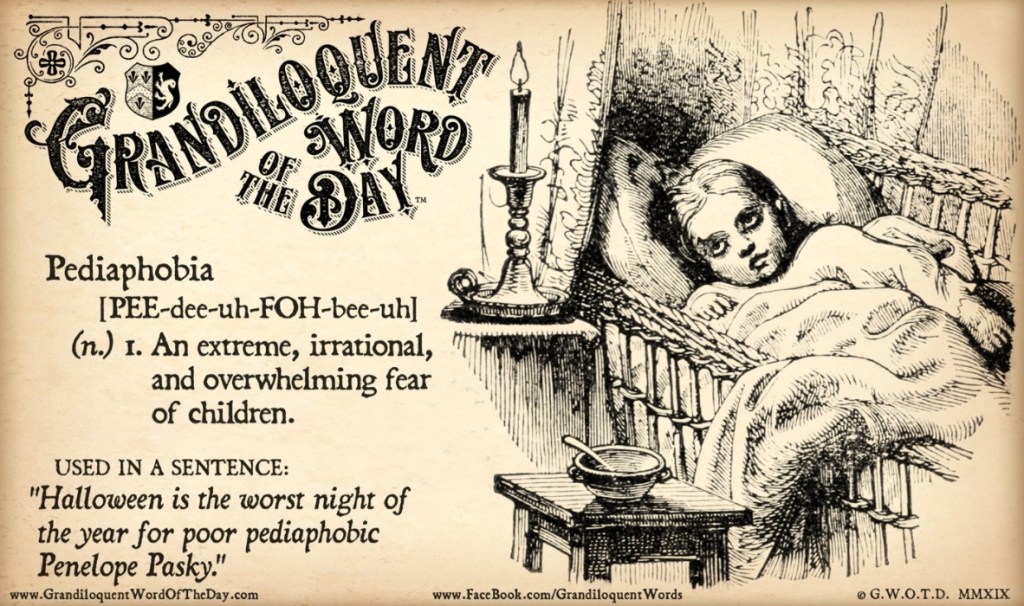
There’s also the fear of children, or pediaphobia. Those who suffer from this affliction are probably among the people who turn all their lights off on Halloween night and stay inside to avoid trick-or-treaters. I do this, but not because I’m afraid of kids. It’s because it’s my chocolate, dammit. They can get their own.
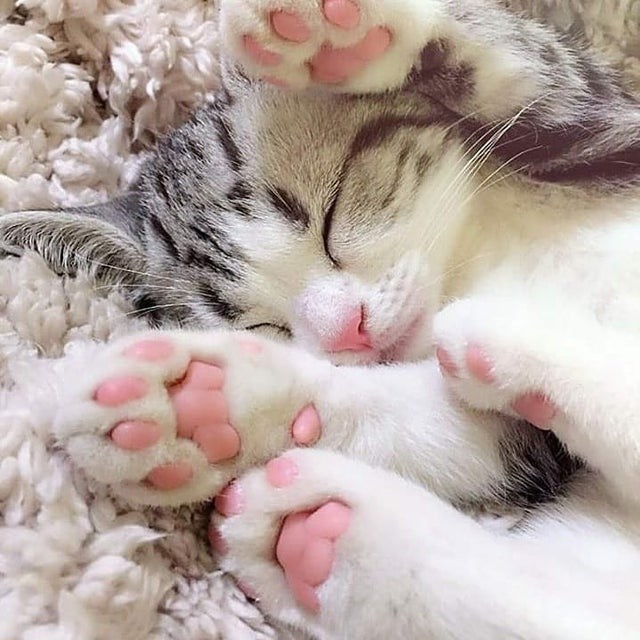
Other fears will most likely be featured in the days ahead, such as triskaidekaphobia (my favorite to say; it’s fear of the number 13; it would be tragic for me to have it since my birthday is Jan. 13), ailurophobia (fear of cats; c’mon … look at those toe beans and those adorable whiskers!!) and hippopotomonstrosesquippedaliophobia (don’t ask me to pronounce it, but, ironically, it’s fear of long words). I would be surprised if another one of mine, basiphobia, the fear of falling, doesn’t make the cut.
But phobias aren’t the only fear-related words. Back in August when I was in the midst of an IBS flare-up, I mentioned “horripilation,” the bristling of hair on the head or body, as from fright. I wrote then: “If you think there’s a connection to ‘horror,’ you’d be correct. The Online Etymology Dictionary attributes the same root to both, horrerre, meaning ‘to bristle with fear, shudder’.”
More than once I’ve gotten goosebumps while in a theater. They really should warn us if Justin Bieber is in a trailer. Or Tom Cruise. Oof.
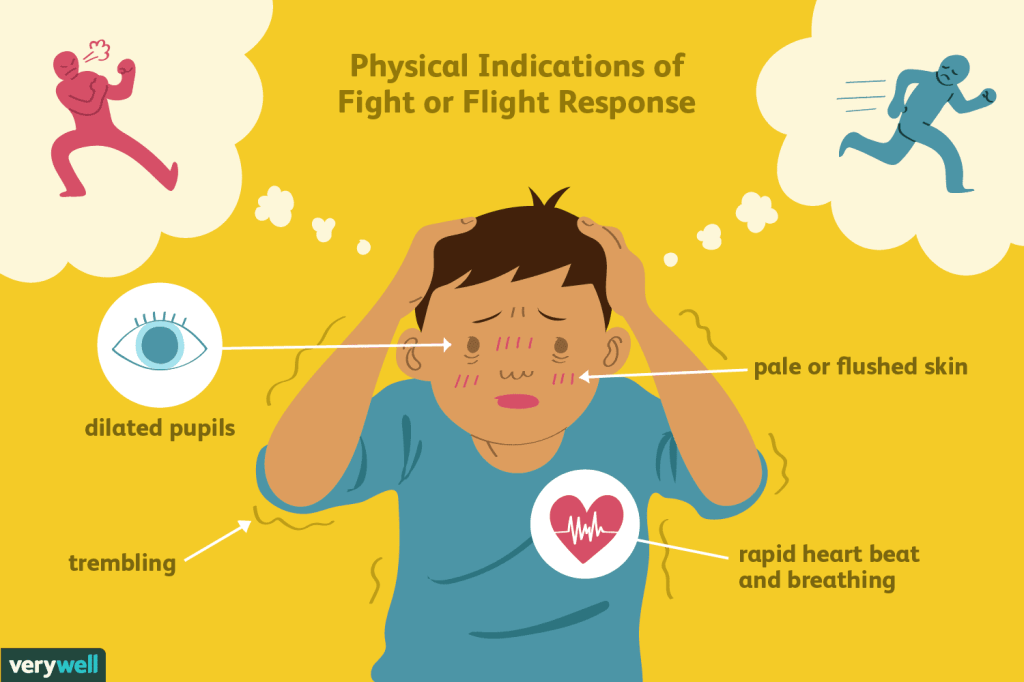
You might also experience palpitations, a racing heartbeat, from fright. The Online Eytmology Dictionary says the word came about in the early 15th century from “palpitacioun, ‘rapid movement, trembling or quivering motion,’ from Latin palpitationem … noun of action from past-participle stem of palpitare ‘to throb, to flutter, to tremble, to quiver’ … Specifically of unnatural rapid beating or pulsation of the heart (excited by emotion, disease, etc.).”
For someone with a severe phobia, these reactions and others such as freezing (think deer in the headlights) or other fight-or-flight responses like hyperventilation might go into overdrive, rendering that person helpless or worse. Do you really want that responsibility just for an easy laugh?
So yeah, go ahead and cancel that clown candy-gram. I won’t judge. This time.

Other words you might not think of have origins in things that go bump in the night.
You might be aghast (shocked) by a clown at your front door, but the word once literally meant “frightened by a ghost.” It’s a derivative of an Old English word meaning to terrify, which was itself a derivative of the Old English word for ghost, according to Mental Floss.

Then there’s deadline, which anyone involved in journalism should know (but which too many tend to ignore, much to their editors’ consternation). The Online Etymology Dictionary and other sources suggest it might have been influenced by the “do-not-cross” line at Civil War prisons. Bustle reports, “The guards established what they called a deadline 12 feet from the inside of the fence, where they intended for everyone to starve to death. If anyone tried to cross this deadline, they would immediately be shot. The phrase become popular in POW prisons; it didn’t get the meaning of “time limit” until the 1920s, when American newsrooms started using it that way.”

Carl Linnaeus named lemurs after the Lemures of ancient Rome. Mental Floss reports: “To the Romans, the Lemures were the skeletal, zombie-like ghosts of murder victims, executed criminals, sailors lost at sea, and anyone else who had died leaving unfinished business behind them on Earth. According to Roman tradition, ultimately the Lemures would return to haunt the world of the living each night—and hence when Linnaeus discovered a group of remarkably human-like primates wandering silently around the tropical rainforests in the dead of night, he had the perfect name for them.”
I would have gone with George, but OK.
 Serenity is a fuzzy belly