
Note to blog readers: Because I managed to forget about the blog, you’re not getting much extra this time. My covid shot went well, but a couple of side effects resulted in me having to reschedule my other appointment, and I lost all track of time. Sorry. I’ll be a better blogger.
😑😑😑

If you’re ever in need of writing material, ask a group of writers and editors their pet peeves. You’ll end up with enough material to fill a book.
(I did it this time because I scheduled Tuesday off this week. To mark the second anniversary of Mama’s death, I planned my first covid-19 vaccination, as well as a wellness check. I’m pretty sure she would be nudging me to do that anyway. Sorry about that second one, Mama.)
Anyone who deals with the written word all day in their professional life is bound to have some opinions about it. I can’t stand the use of introductory phrases that add nothing but extra words: If you’re going to add “in fact,” for example, you’d better be talking about something someone might not believe is true.
Use “amidst” or amongst” and you’ll see me roll my eyes before I cut off that “st,” which makes you sound pretentious or like you’re trying to impress someone. No one’s impressed.
And if you add spaces before punctuation, use no spaces at all, or use a comma after every other word (why??), you might think about leaving town before I start flinging things.

Some of my colleagues and friends share my annoyances, and have some of their own. One of the most common peeves is “went missing” or “found missing.” As editor Alyson Hoge quips, “Well, if he was found, then he wouldn’t be missing, would he?”
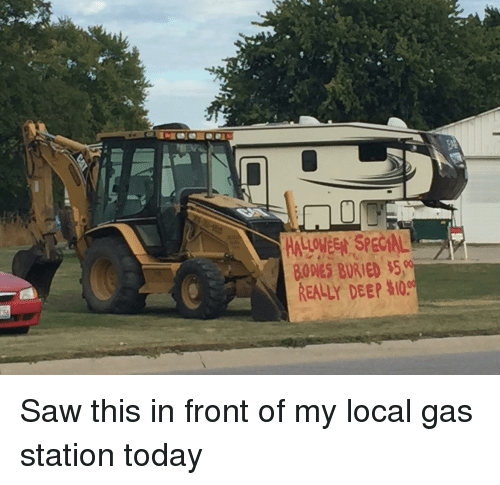
Reporter John Lynch despises “went missing” and a few other terms he often comes across on his beat, but it’s “shallow grave” that inadvertently drew the biggest laugh from me when editor Celia Storey responded with, “I like ‘shallow grave.’ Honest graves are not shallow. Shallow graves are crimey.”
She’s not wrong. Your average criminal isn’t going to have a backhoe to dig a proper grave six feet deep.
Todd Traub, an editor at Arkansas Business Publishing Group and a former co-worker, said, “I simply cannot stand the use of the words ‘back in’ when referring to the past. As in, ‘Back in 2019 no one was thinking about a pandemic.’ Or ‘Back in November we didn’t foresee a vaccine rollout.’ It may be more of a radio or TV thing, but it is completely superfluous. If it was in 2019, just say ‘In 2019.’”
Editors whose product is published in paper form find themselves tightening copy much of the time, and “back in” is a good example of what we would cut. Another problem is padding, like those meaningless introductory phrases or overuse of the passive voice.
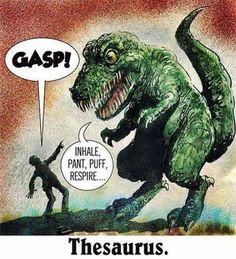
Rebecca McGraw, director of retail marketing and promotions at the Arkansas Press Association, told me, “The older I get, the more likely I am to edit out words that soften or sound conditional. ‘The goal of the presenter is to explain’ is just way more wishy-washy than ‘The presenter will explain.’ Although, when you’re dealing with a word-count goal, I can see why people (such as my daughter) might resort to padding.”
Phrases like “in an effort to,” mentioned by quite a few people, would fall under this as well. Our D.C. reporter Frank Lockwood nominates the writers of airport security announcements for a trip to the woodshed on padding. “The warning says: Do not accept items from ‘unknown individuals.’ It should say: Don’t accept items from ‘strangers.’ One word instead of two; two syllables instead of seven. I’d even prefer ‘people you don’t know.’ (Yes, that’s twice as many words, but it has two fewer syllables and it reflects the way people actually speak.)” He also wonders why pundits say “the American people” rather than “Americans.”
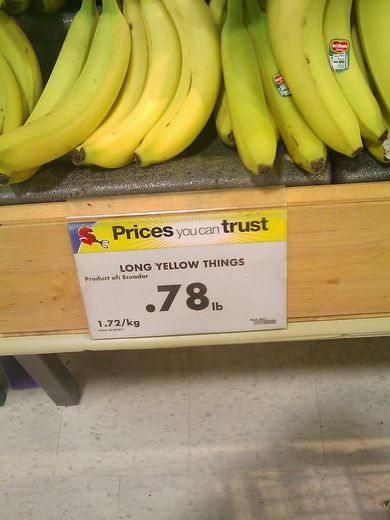
I’d venture to say that a lot of them seem to believe that the more words they use (especially if any of them are $5 words), the more convincing they’ll sound. Nope, sorry; content matters. Or at least it should. Re-reading your writing hours later should help as well to see all the repetition and other habits of the “elongated yellow fruit” (periphrasis) style of writing (periphrasis). Just be direct, people.
I’m not the only one who has pet peeves related to specific words. Friend and birthday buddy Sarah Kinsey Ricard cringes at the overuse of “utilize.” “I will change ‘utilize’ to ‘use’ every time when appropriate.”
Associated Press alum Chuck Bartels agrees: “Never use the word ‘utilize.’ If it’s in a quote, paraphrase it.”
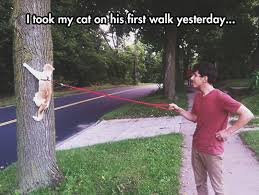
There were many more pet peeves, but only so much space. But in case you think we’re just a uniformly cranky bunch too focused on grammar, I’ll leave you with Celia Storey’s take on pet peeves: “My pet peeve is undisciplined pet peeves. Have your peeves. You have earned them. But recognize that a better editor would be peevish without becoming a sniper.
“Pet peeves should be taught to walk on leashes.”
I had intended to get around to the reason for my asking the question I did, but I’ve been having too much fun with the whole exercise. So …
Next week it’s all about grammar. What you may think is proper grammar probably horrifies someone, yet so many of the grammar rules some cling to today were the result of someone’s pet peeve.
Yep. You’ve had it drilled into your head that it’s improper to end a sentence with a preposition, or to begin one with a conjunction. While those rules are fine for formal writing, they don’t necessarily make for good reading in things like novels or newspapers, because that’s not how we speak.
When it comes to grammar, you can break some rules. When it comes to burying bodies, well …
 Serenity is a fuzzy belly