
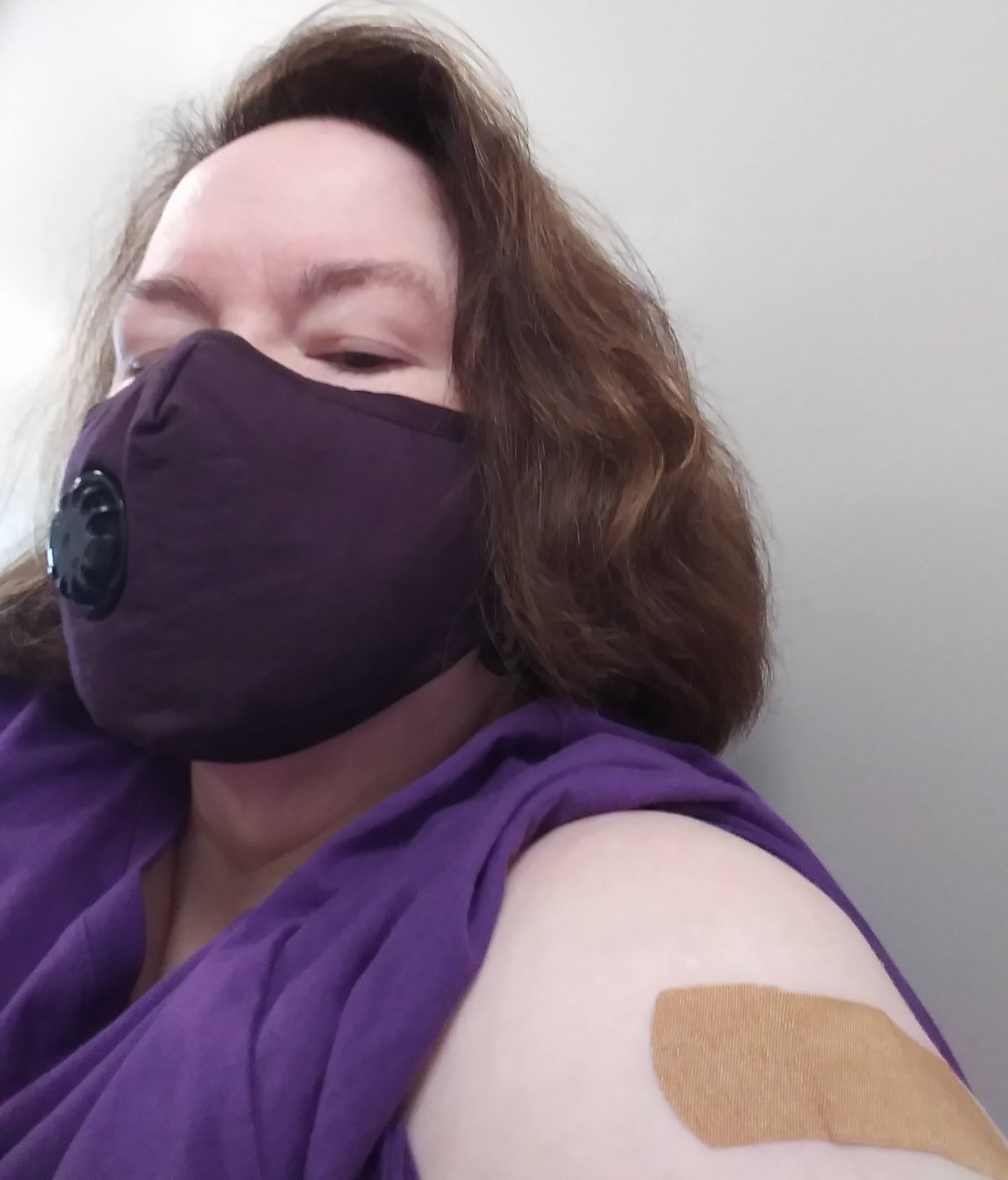
I had planned to be back in the office the first week of May; by then it would be a little over two weeks since my second vaccination, meaning I was fully vaccinated.
I was apprehensive but also eager about returning, and proclaimed in my column last week that by this time I’d be on my third day of working in the office again.
That didn’t happen. So did I lie, as so many people nowadays seem to claim media people do as easily as breathing?
Nope, not in the least. And breathing right now is not so easy. Thanks, pollen counts.
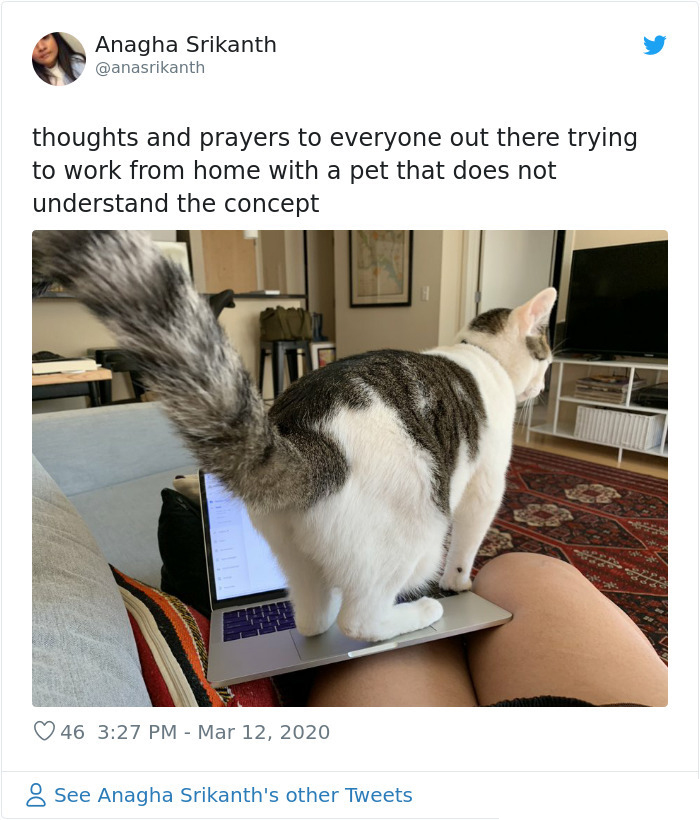
While I was busy preparing for a return to the office, I failed to take into consideration plans the newsroom might have. I could return to the office before they’re completely executed, but I might have to contend with more interruptions than I would have at home, so, for now, here I remain.
Plans evolve as events and new information dictate, just as people do. (And parties: Do you really think the Republicans of today are the same as the ones in Lincoln’s day? Hell, the ones of today aren’t even in the same neighborhood as the ones under Reagan. Likewise, the Democrats of Andrew Jackson’s day aren’t all that much like the Democrats of today (and remember, many of the old conservative Dixiecrats became Republicans after the Civil Rights Act became law. I’d say most of the center-right and -left people have had it with their parties, which is why independents are now the largest group.)
My prediction that I would be back in the office by now wasn’t a lie, as there was no intent to hide the truth. Nor are many of those things hyperpartisans love calling lies actual lies.
I was having trouble sleeping Monday night, so I made the (very stupid) decision to check out what some of my former classmates were saying about people who work in the media, and boy, was I not surprised that they were calling everything reported by the media a lie if they didn’t agree with it (but funny how something like The Washington Post Fact-Checker is a liar if it gives Donald Trump four Pinocchios, but the height of honesty if it gives the same to Joe Biden). Widespread voter fraud disproven? All lies, of course, perpetuated by the media to appease their masters. Trump threatening the Georgia secretary of state? Lies, and the voice on the tape was obviously not him.
Sure. Whatever helps you sleep at night; it doesn’t help those of us who care about truth, but we don’t matter.
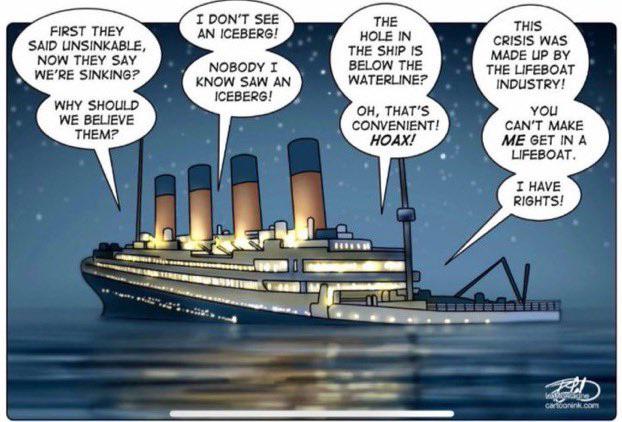
Apparently, anything that changes because of new information, such as scientific advice, means that the original statement was false. So yeah, when Dr. Anthony Fauci at first recommended not wearing masks (because the short supply needed to be prioritized for first responders and others on the front lines) and then changed that advice (once masks became more plentiful and science showed that they helped provide some protection), well … obviously that had to be a lie, right? Just like all those news stories!
Nope.
Take, for example, reporting on the death of Officer Brian Sicknick after the Jan. 6 attempted insurrection at the Capitol. Now that the official autopsy report has been released, some are accusing the media of lying about his cause of death. Those people misunderstand (perhaps accidentally, but more likely on purpose) the process of reporting … or they’re just trying to stir up hyperpartisan controversy to further the idea that media sources that don’t confirm one’s biases are not to be trusted.
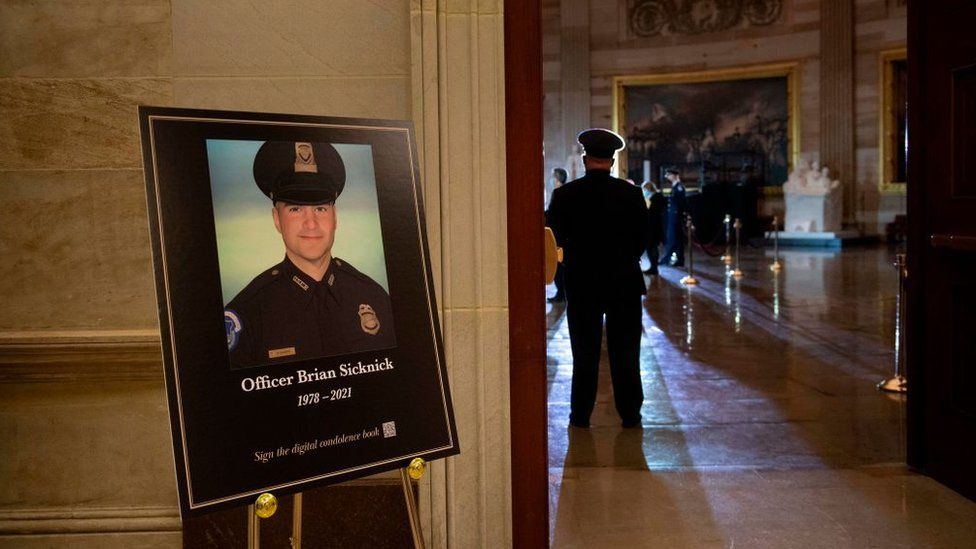
On Jan. 7, the Capitol Police released a statement announcing that Sicknick “passed away due to injuries sustained while on-duty. Officer Sicknick was responding to the riots on Wednesday, Jan. 6, 2021, at the U.S. Capitol and was injured while physically engaging with protesters. He returned to his division office and collapsed. He was taken to a local hospital where he succumbed to his injuries.”
The Wall Street Journal, New York Times and others, relying on the word of a law enforcement official who said that Capitol Police officers had shared the description with colleagues, reported that Sicknick had been struck in the head with a fire extinguisher. That description was shared widely on cable programming and social media, and as information was slow to trickle out, PolitiFact wrote in a February post, it “left news organizations to try to fill in the gaps, and to sort through conflicting reports.”
More than a month after its initial article on Sicknick’s death, The Times wrote, “Though law enforcement officials initially said Officer Sicknick was struck with a fire extinguisher, police sources and investigators are at odds over whether he was hit. Medical experts have said he did not die of blunt force trauma, according to one law enforcement official.”
Because of that, conservatives took to the airwaves, social media and publications to decry the “lying” media trying to exaggerate what happened Jan. 6.
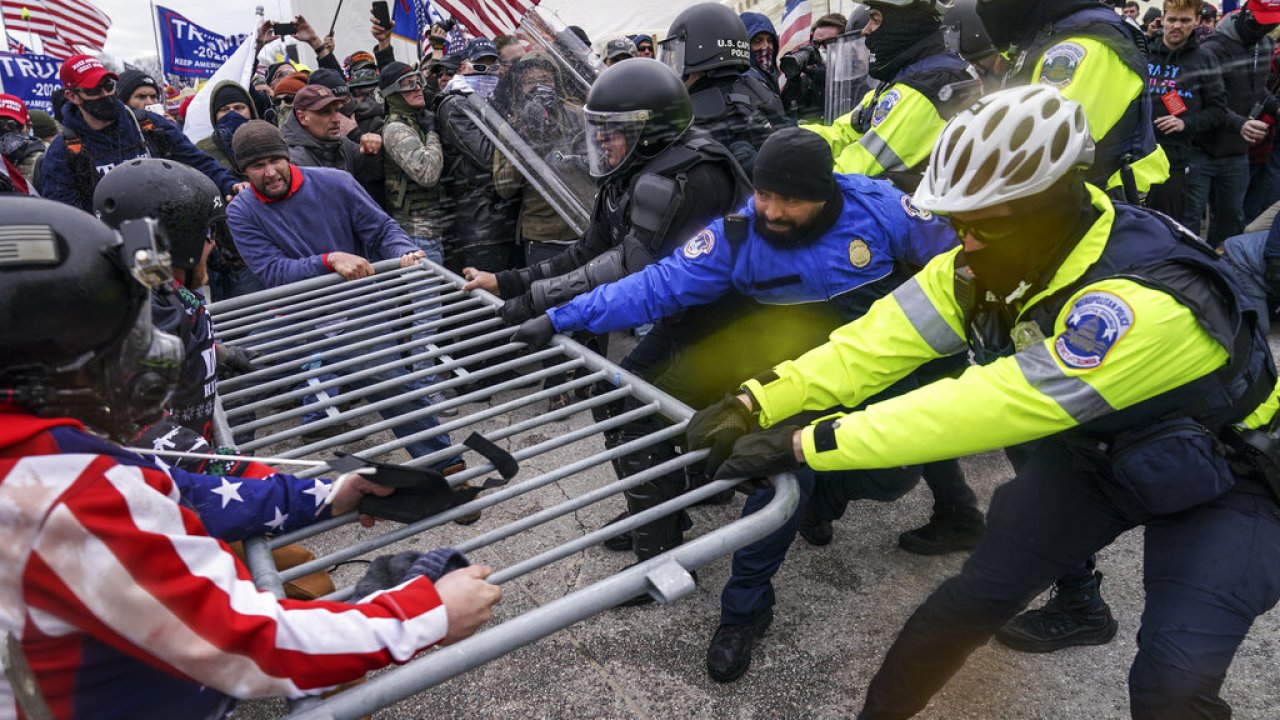
Like anyone would need to exaggerate a failed coup that injured more than 100 officers and resulted in damage to the the Capitol building and threats to the lives of Congress members, their staff, members of the media, and the vice president of the United States. I’d pick more on the fact that it took so long for the paper to revise its reporting, but that’s me.
The official autopsy report, indicating that Sicknick died of two strokes, attributed to natural causes, wasn’t released until April 19 (why it took so long, we don’t know). In the absence of that finding, it’s unsurprising that media members would have to make do with what information they could get on the record from people close to the investigation; the Capitol Police’s opacity throughout didn’t help matters. (Did those pundits expect reporters to do the autopsy themselves, or otherwise interfere in the police investigation?) It’s also unsurprising that opinionators would then blow up every perceived balm to the other side as evidence of media lies.
Sigh.
A lot of mistakes were made in coverage of Sicknick’s death, part of which was exacerbated by the Capitol Police’s lack of transparency. The scope of the insurrection itself also complicated reporting. As someone who used to do research for a top investigative reporter, believe me, the more moving pieces there are, the more time you need to make sure you get everything correct.
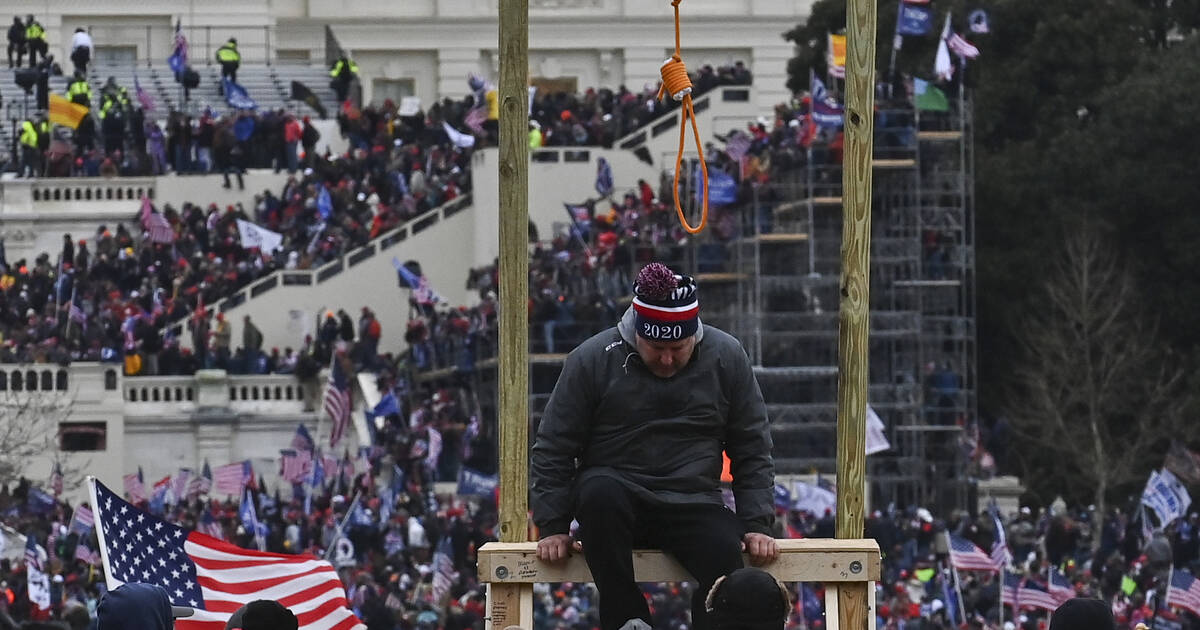
The whole story is rarely available at once. Investigations by police and by reporters take time and effort, and a fuller picture develops over time, sometimes showing that early reports were wrong, as happened in Sicknick’s case. At least three Capitol Police officers were struck by a fire extinguisher, and initial reports conflated Sicknick as having been one of them. As more information was released, it was reported, and where corrections were due, responsible news outlets issued them.
But being responsible in today’s news atmosphere means hyperpartisan pundits and social media posts accuse you of lying.
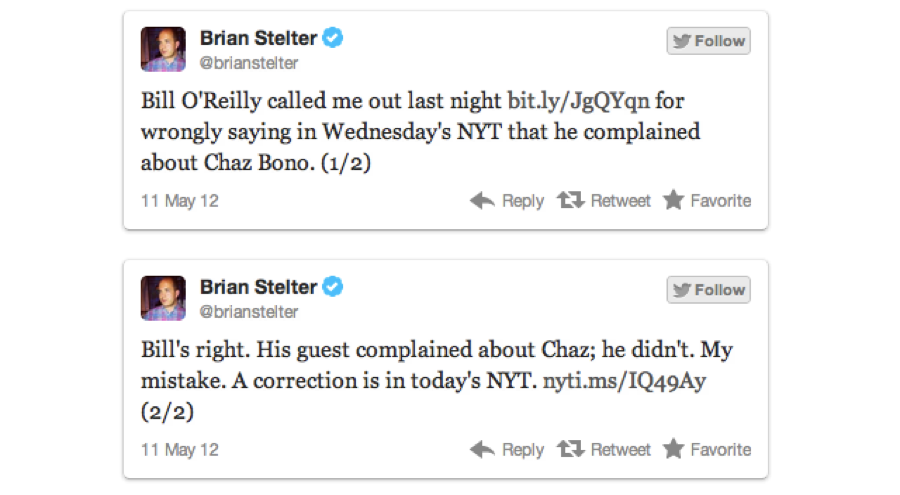
Let’s be clear: If a news outlet knew something was false and published it anyway, that would be a lie because there was intention behind it. If a news outlet found out later that something it published was erroneous and then corrected or revised the original story, that is not an admission of lying; it is simply the action of a responsible media outlet correcting a mistake, whether it was its mistake or that of a source. It’s unfortunate that corrections to the record don’t spread as far or as quickly as the original story, especially after that story has been hijacked for political reasons, but that’s the society we live in.
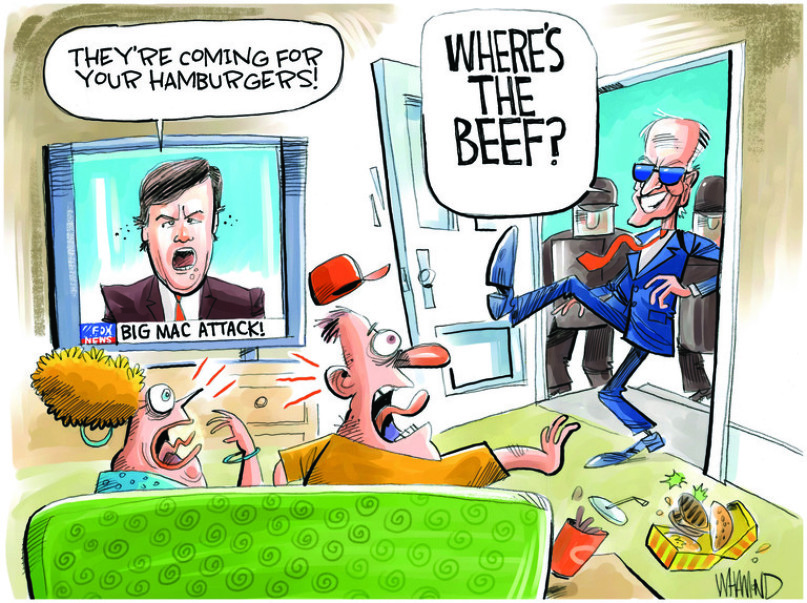
Calling simple mistakes or anything you don’t agree with a lie is lazy and foolish. The keyword in the definition of “lie” is “intentional.” If someone intends to deceive, that’s a lie. I might bring up that claim of a certain person having had the largest inaugural audience ever as an example of not only a lie, but a poor one that is easily disproved, or all those claims about the election being stolen. Of course, if I do that, and bring up the countless fact-checkers who disproved those claims with actual sources you could check for yourself, I’ll be branded a damn librul. Again. It’s not my fault reality has a bias.
So let’s stop calling news reporters or fact-checkers liars for no reason other than we don’t like what they report. Save that for the opinionators and others who know that what they peddle is false.
You guys know who you are.
 Serenity is a fuzzy belly
In 1966, a sociological colleague, Tamotsu Shibutani, published a study of rumors, which he called “improvised news.” I’ve always thought that was a perfect term.
LikeLike
I do like that. I may have to seek that study out to read it.
LikeLike
I’m guessing my book that Philip left on your desk, is still awaiting your return! 😉
LikeLike
I grabbed it a couple of weeks ago when I went in to clean and pull files from my computer for an upgrade. Just haven’t had a chance to read it yet.
LikeLike
Our language is constantly evolving. And apparently “lie” now means anything you don’t like. But you see, it’s so much easier to spell than “misinformed,” “mistaken,” “biased,” “misunderstood,” etc. I don’t think T***’s vocabulary included any words longer than four letters, so his minions accommodated him.
LikeLike
Well, except for the words he made up, like covfefe. 😏
LikeLike