
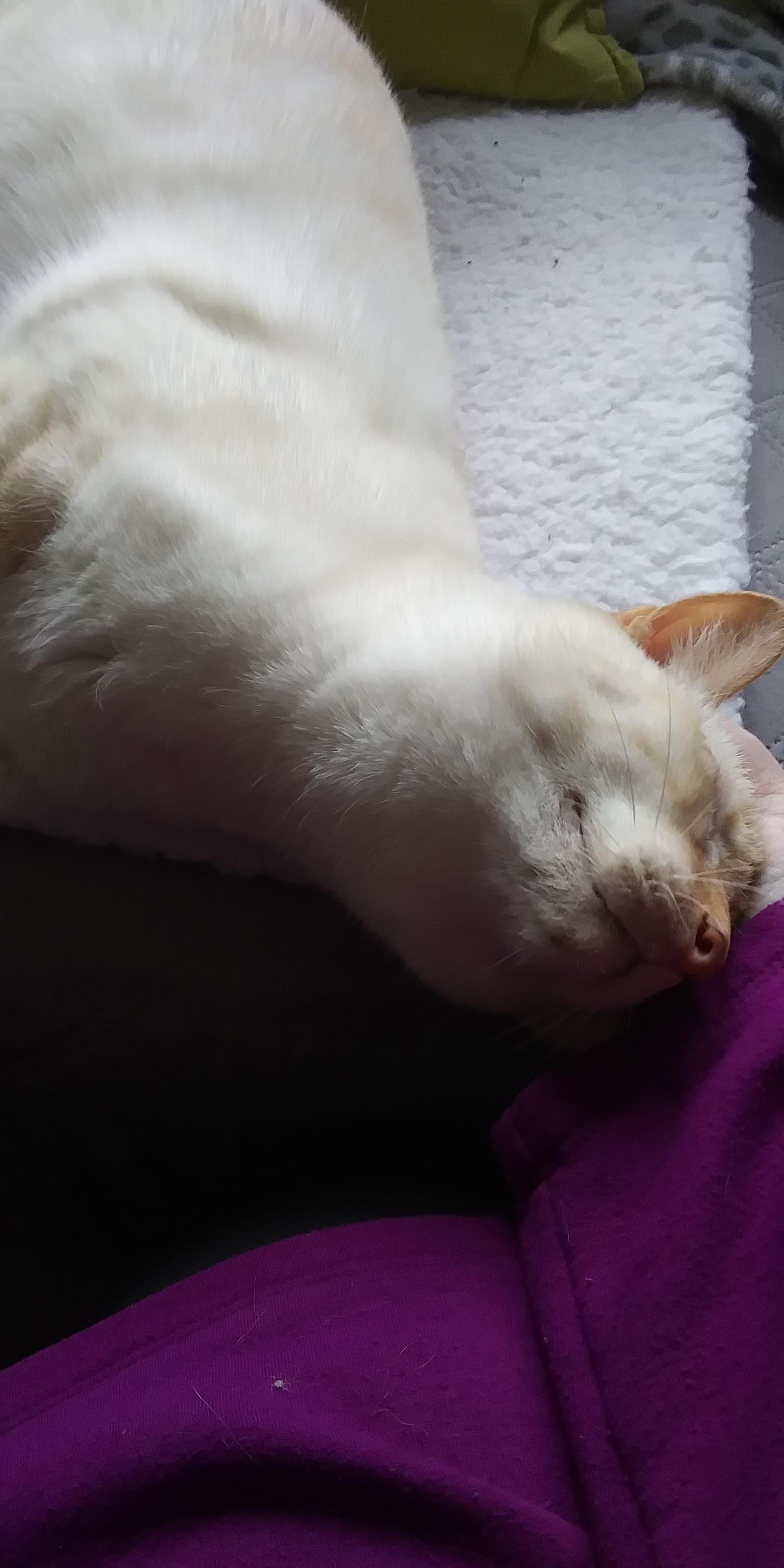
For the second week in a row, this is not the column I intended to write. I’ll eventually get back to what I started on logical fallacies (whataboutism, ad hominem attacks, etc.), but a few weeks spent taking care of very sweet cats has dampened that fire. (Just try to be cranky when the elderly gentleman you’re sitting decides you’re his next-favorite person in the world, or when your older fur-nephew visibly smiles when you rub his head. It’s. Just. Not. Possible.)
So … sorry if you were expecting something to get het up about, but it’s a word-nerdy day today.
Frequent correspondent and fellow word nerd Howard Hughes (and proof that Arkansas is a small world; he’s the former boss of my bonus dad/husband of my sixth-grade teacher/neighbor from back home) often emails me new words he’s learned (one of my favorites is “Sciamachy—A fight against imaginary enemies,” which entirely too many people seem to be engaged in now; I may come back to that in a future column) or links to articles about words, the most recent a blog post on curse words … or as we say here in the South, “cuss words.”

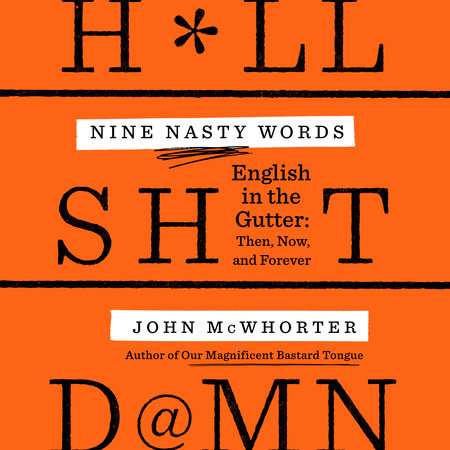
I’ve talked about cuss words before, though some I can’t use in the paper because the Arkansas Democrat-Gazette is a family newspaper, and I rarely use the more heinous ones here on the blog because that’s just not who I am. About the worst word I used until I went to college was “heck” or “crap,” influenced as I was by a poster that hung for a time in our church foyer depicting a tape recorder (kids, that’s one of those things that preceded CDs and MP3s) and a message along the lines of “God is always listening.”
God would have been very bored listening to me. My brothers, on the other hand … And yes, I didn’t have much of a potty mouth till college, probably because I didn’t have much to cuss about. The more I learned, the more I was willing to work blue when merited.
Since I didn’t really cuss as a kid, I found other ways to express my displeasure, sometimes borrowing from my grandpa’s toolbox of words (he didn’t cuss much either, which was funny considering he was a former sailor; it was my grandma who could swear like a sailor; we put that down to having been born in Texas, which meant she could naturally put seven syllables in a certain four-letter word).
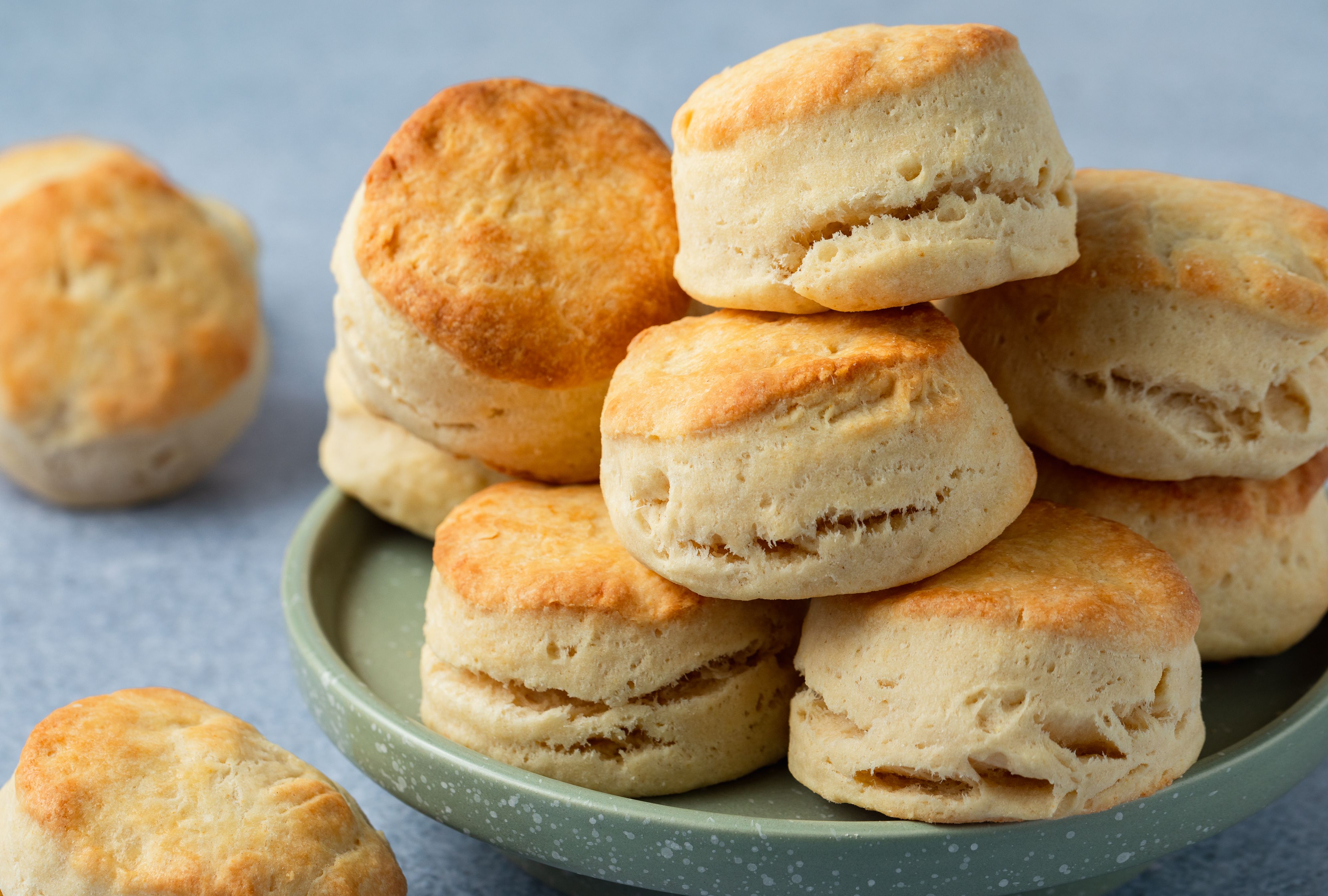
“Son of a biscuit-eater” was perhaps the most used, though it initially confused me as a kid. I mean, biscuits are delicious (especially with jam and butter … or cream gravy and sausage and/or bacon … or made into strawberry shortcake), so what could be bad about being the son of someone who ate biscuits? (I found discussions on Quora that opined that service members who ate hardtack were called biscuit eaters, and “son of a biscuit eater” would be a bastard born to someone who “serviced” the military men, but I don’t place a lot of stock in that. I’m of the mind that it’s simply a more polite way to call someone an SOB.)
The post Howard forwarded to me on Words Trivia notes: “Curse words … hold a significant power dynamic. They can be used to assert dominance, express frustration, or challenge authority. In some cases, curse words have been used as a form of resistance against oppressive regimes or as a way to express dissent. The power behind these words lies not only in their explicit nature but also in the emotions they can evoke and the impact they can have on others.”
As times change, certain words lose the impact they once had as they become more accepted. Many of the insults and cuss words in William Shakespeare’s plays were quite scandalous in his time, but no one bats an eye anymore. Words like “pregnant” (not a cuss word at all!) were considered taboo and too graphic to use in polite company in the U.S. until the 1960s. When “I Love Lucy” incorporated Lucille Ball’s real-life pregnancy in the storyline of the show in 1952, CBS wouldn’t allow the use of the word “pregnant,” which was considered vulgar, though the title of the episode, “Lucy is Enceinte,” used the French word for pregnant.

Daniel S. Levy wrote of the episode in 2021 in Time magazine: “The Code of Practices for Television Broadcasters prohibited anything sexually suggestive on the air, and that included even the discussion of pregnancy, since it implied that a couple, even a married one, had engaged in baby making. When told that his wife’s swollen belly could affect the program’s future, an incredulous Desi [Arnaz] demanded, ‘What is so wrong if she has a baby in the show as Lucy Ricardo?’ Executives suggested that Lucy could hide the pregnancy by sitting behind chairs or tables. ‘Not Lucy,’ he responded. Still, most of the people who worked on the show feared the program would be canceled.
“Eager to find a solution, Desi and writer Jess Oppenheimer discussed Lucy’s pregnancy with CBS and sponsor Philip Morris. With their approval, the producers decided to do something that had never been done before: incorporate the pregnancy into the script. Since the word ‘pregnancy’ itself was not allowed on TV, they resorted to phrases like ‘expecting’ and ‘with child,’ and sought the blessings of a priest, a minister, and a rabbi who were given the script to read. ‘They didn’t change a word,’ said writer Madelyn Pugh.”
The fact that a priest, a minister and a rabbi were called by a sitcom to consult has sooooo many jokes running through my head.
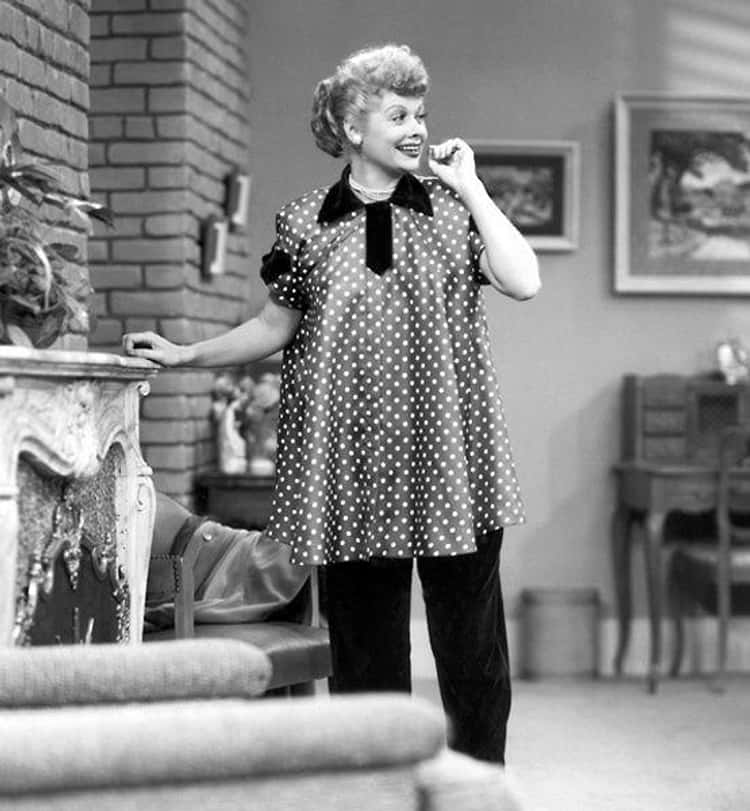
In most cases you couldn’t even show a pregnancy on TV, and actresses who became pregnant often had to hide behind bags, chairs and tables, and God forbid you show a couple’s bedroom that has one bed instead of two because it meant that married people(!) might sleep in the same bed.
How far we’ve come since then, though I’m sure some would like to go back to the days when pregnancy and other real-life issues were not discussed on TV and in movies … or even in the family home.
Ignoring reality only works up to a point … usually about the time kids find out for themselves the consequences of ignorance. (And don’t give me that crap about abstinence-only sex education; it doesn’t work. If you abdicate your responsibility as a parent in teaching your kids about sex and its consequences, someone has to, and my preference is science-based school education.)
OK, sorry, got a little cranky there, so it’s obviously time for more Charlie snuggles.
Some words will likely retain their sense of vulgarity for a long time, which is why they won’t be mentioned here (I’m sure you can readily come up with several in seconds if you let your mind wander), but the opprobrium for others, like “pregnant” (again, NOT a cuss word) will rightfully be seen as useless puritanical ignorance of reality. Societies and time evolve.
As we learn, our understanding grows, and attitudes shift. Some words will remain unacceptable (especially those that are abusive or based on things one has little control over), but others will peek out into the light. (I can’t help it if I sometimes will drop a word into conversation that may shock someone who is probably also offended by the word “pregnant,” but I watch a LOT of British TV, and some of the words that Americans think are soooo dirty aren’t really so much there. Plus there are some words that are ruder there than here because Yanks don’t usually know what they actually mean, so bonus!)
I’ll still use “son of a biscuit-eater,” though, harmless as it may be. It’s way too much fun to say for me to let that one go.
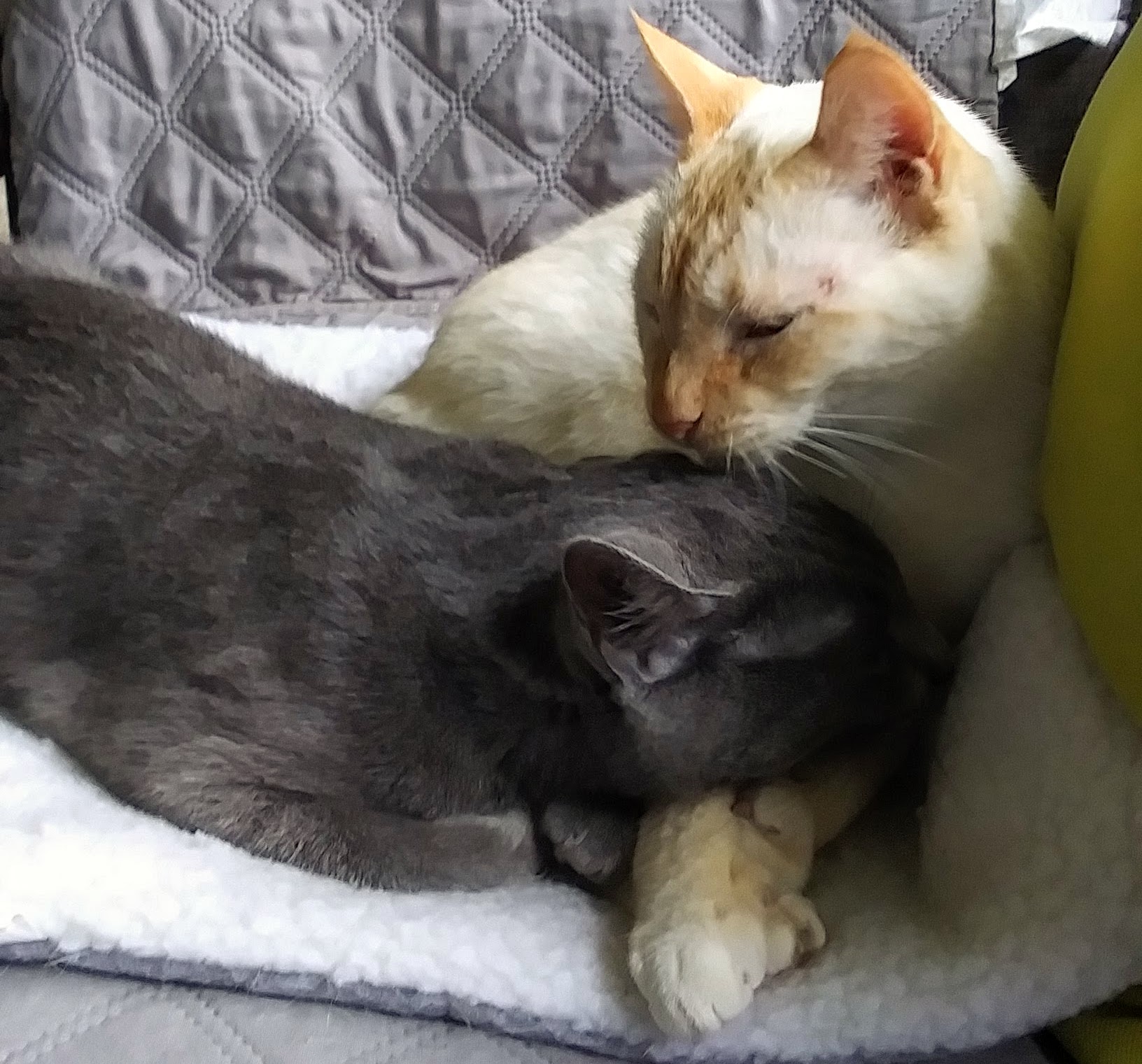
 Serenity is a fuzzy belly
Instead of cursing in the traditional sense, my high school gymnastics coach used to say, “For crying out saltine crackers!” Nobody on the team knew if this had some deeper, hidden meaning. I still don’t think it did.
LikeLiked by 2 people
In class, I would sometimes discuss the arbitrary nature of “dirty” words, illustrating with the French ‘merde’ and the Hawaiian ‘kukai.’ Nobody was upset by my saying those words aloud in class, but the English version would have at least attracted attention, if not a reprimand. By the same token, I assume those two words will get by the morality police on the Democratic Gazette and Word Press.
LikeLiked by 2 people
Sometimes at work when the nurses are talking about cleaning up a patient, I jokingly suggest that the nurses use a certain French word “merde” instead of the English word because the French word supposedly sounds more elegant.
LikeLiked by 1 person
Love the scene in The Christmas Story where Ralphie blows his stack and proceeds to beat the *%$# of the bully Farkus. Ralphie was taken over by some spirit that provided him with tongues, curse words or whatever that weren’t understandable to listeners. Of course, Ralphie had a dad who provided the perfect example of how to be a consummate curser.
LikeLiked by 3 people
Heck of a post, Brenda! It was doggone interesting.
LikeLiked by 3 people
With words like heck and doggone, you’re gonna need a mouth washing with soap if you don’t be careful. 🙃
LikeLiked by 3 people
I’m a reformed sailor.
LikeLiked by 2 people
Doggone it. Your comment was as Ruff as Bark.
LikeLiked by 1 person
After growing up with a father who was a Marine Corps veteran of World War Two and spending four years in the US Navy as an enlisted man, I am immune to profanity and cuss words. They do not bother me and have no effect on me.
LikeLiked by 1 person
I prefer to eat my biscuits with gravy but not on a bucket lid as in a certain infamous song.
LikeLike
When Jimmie Driftwood’s song “Battle of New Orleans” was first recorded by Johnny Horton and released sometime in the 1950’s, one of the words had to be changed because they couldn’t say the word “Hell” on air on the radio at the time.
LikeLike
My parents threatened to “wash my mouth out with soap” if I said h*ll or d*mn at home and not until I was away at college did those words enter my vocabulary. Sh*t is about as bad as I get now, depending on who’s listening. And despite how common it has become on tv, I still can’t bring myself to say f*ck. I wince a tiny bit when I hear it.
LikeLiked by 2 people
Maybe your parents could have used flavored soap?
LikeLike