
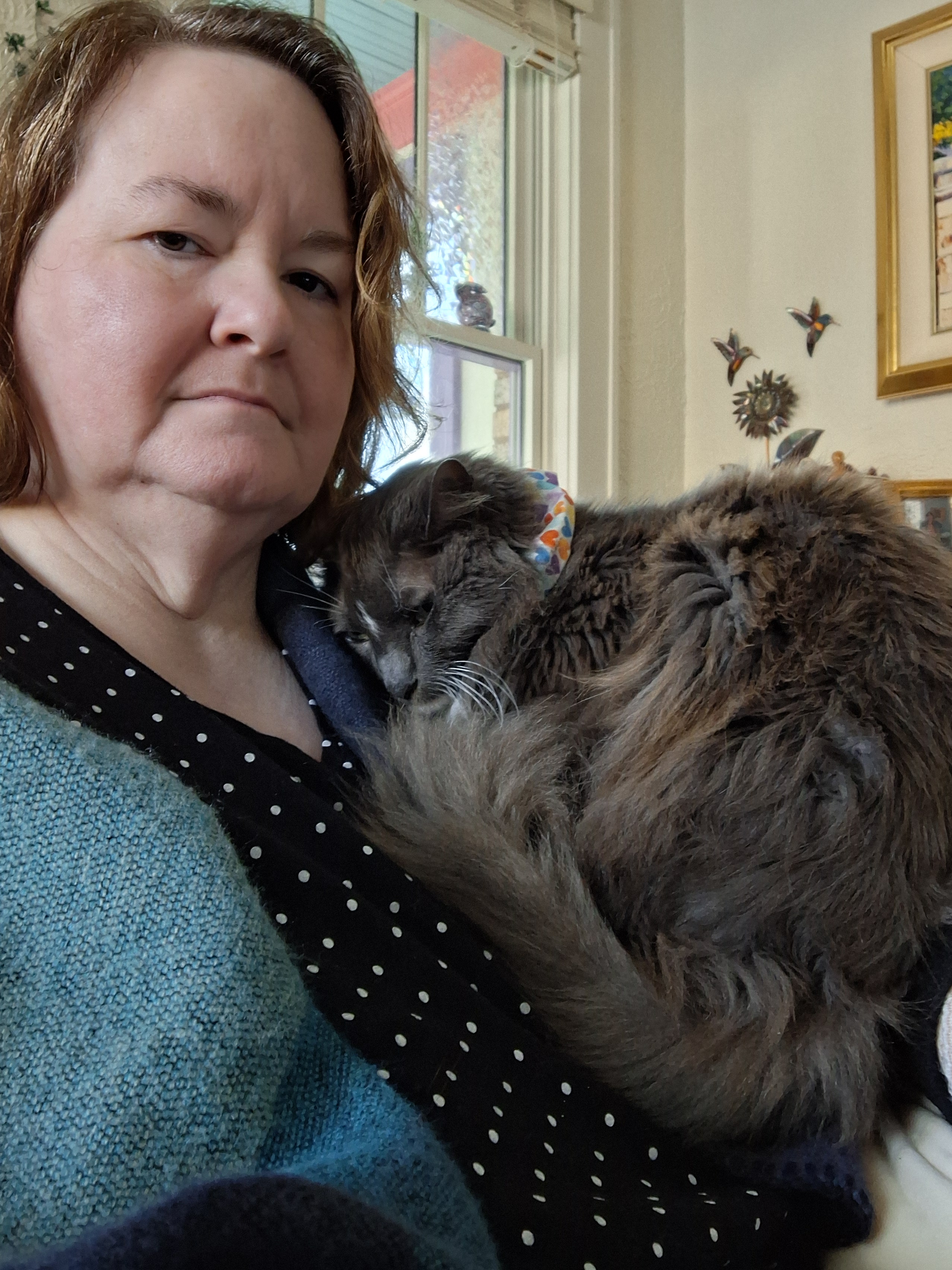
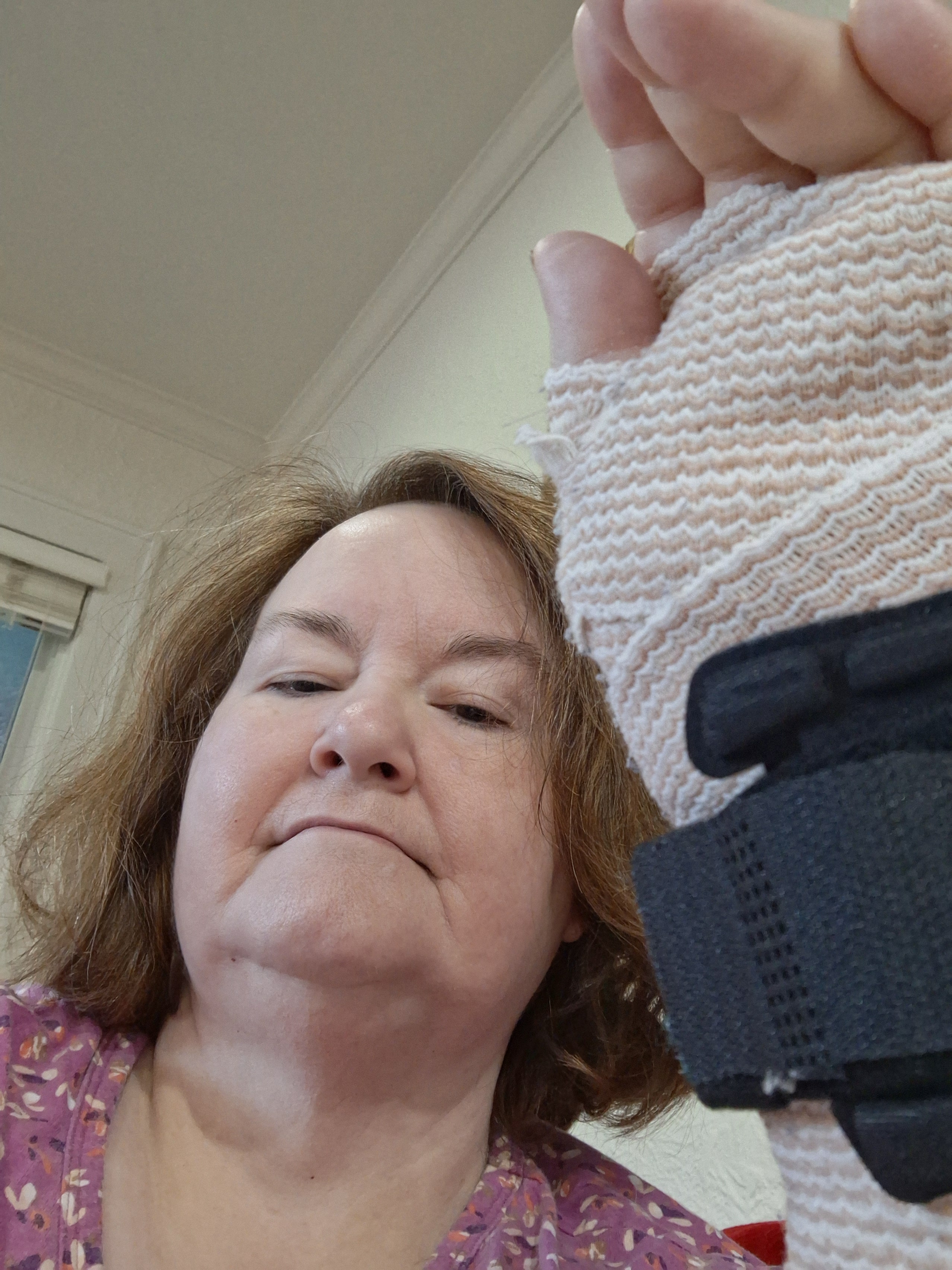
As I sit with a sweet kitty (not mine) on my knee, I’ve been pondering my life. The year just past was anything but a joy to me (as evidenced most recently by my still-swollen left hand and the pain in my healing bones that keeps me typing with one hand), but also showed me some outstanding kindnesses. I’ve had friends step forward to help me when I thought hope was lost, and more than a few strangers lend a hand up to me. Laughs and encouraging words from friends and strangers at low moments helped me battle on.
That’s enough to instill a new sense of gratitude and hope for this new year, only a few hours old.
I don’t do resolutions (why make promises I most likely won’t keep?), but since the 2025 Banished Words List from Michigan’s Lake Superior State University remained unreleased as of the time I’m typing these words (guess we know what next week’s column will be), I can make an exception and at least discuss them.
The Associated Press reports that more than half of American adults surveyed plan to make at least one resolution for 2025. AP-NORC polled 1,251 adults Dec. 5-9, using a sample drawn from NORC’s probability-based AmeriSpeak Panel, designed to be representative of the U.S. population.
“There’s some optimism about the year ahead, although more than half aren’t expecting a positive change. About four in 10 say 2025 will be a better year for them personally. About one-third don’t expect much of a difference between 2024 and 2025, and about one-quarter think 2025 will be a worse year than 2024,” wrote Mark Kennedy and Linley Sanders.

I’ll just be happy if I failed to hear “Hold my beer” as the ball dropped New Year’s Eve. For a while now, it’s seemed those were the first words of the incoming year after a particularly horrid annum. I don’t know if my sanity could survive another one.
About two-thirds of millennials and Gen Z say they’ll make a resolution, Kennedy and Sanders reported, compared with about half of “older adults” (ahem, I was not consulted about Gen X being classified as “older adults,” and am not happy about it). Women were more likely than men to report making a resolution for the new year (not me).
Exercising or eating more healthily were the resolutions of about a third of those surveyed. About a quarter pledged to make changes regarding money or mental health, and about a quarter wanted to lose weight.
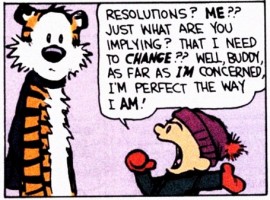
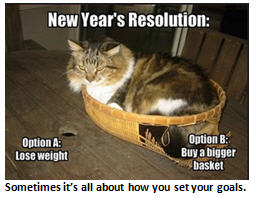
While I don’t make resolutions, I do make an effort to improve myself when and where I can. No need for a promise that won’t be kept or might backfire (any time I try to lose weight, I gain instead).
Everyone has habits they likely want to be rid of, but making resolutions at the beginning of the year doesn’t seem to do much good for many of us. What would help is a continuous conscious effort to break those habits and instill new, better behaviors.
I certainly don’t need to make a resolution to read more or to open myself to more new experiences because I already do that. Eat more spinach, carrots and dark chocolate? Yes, but not at the same time (ew). Pet more cats? Done, and with enthusiasm. Skritch more puppers? Yes, but it’s probably best to wait till the sausage fingers go away lest they think I’m offering them a tasty treat.
OK, I’m not making a resolution here, but a fervent wish: No more broken bones. Please.
🕊️🕊️🕊️🕊️🕊️
I close today’s column with praise for a former president who has gone on to his reward. I well remember participating in the Scholastic News poll of schoolchildren in 1976 that predicted the victory of Georgia Gov. Jimmy Carter over President Gerald Ford, who was elevated to the presidency by the resignation of Richard Nixon after the Watergate scandal. Kids like me might have been a little bored by Carter, but his genuine manner won many of us over, as well as many adults.
(At that point, the poll had only incorrectly predicted the winner twice since 1940: It picked Thomas Dewey over Harry Truman in 1948, and Nixon over John F. Kennedy in 1960. More recently, it missed the 2016 victory of Donald Trump over Hillary Clinton; while I couldn’t access the 2024 prediction, I feel pretty sure they missed that one too.)
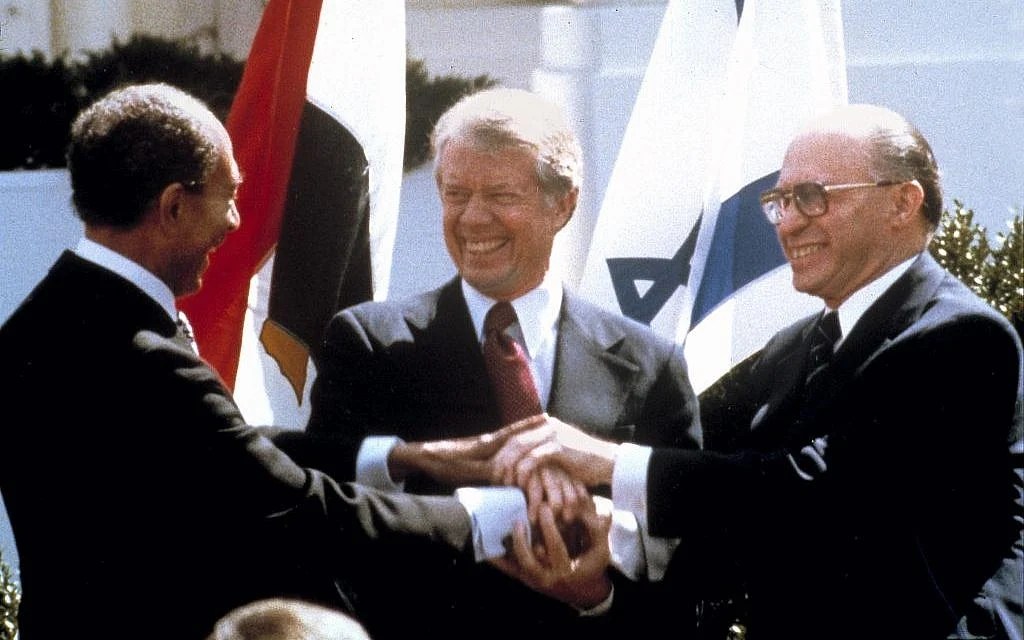
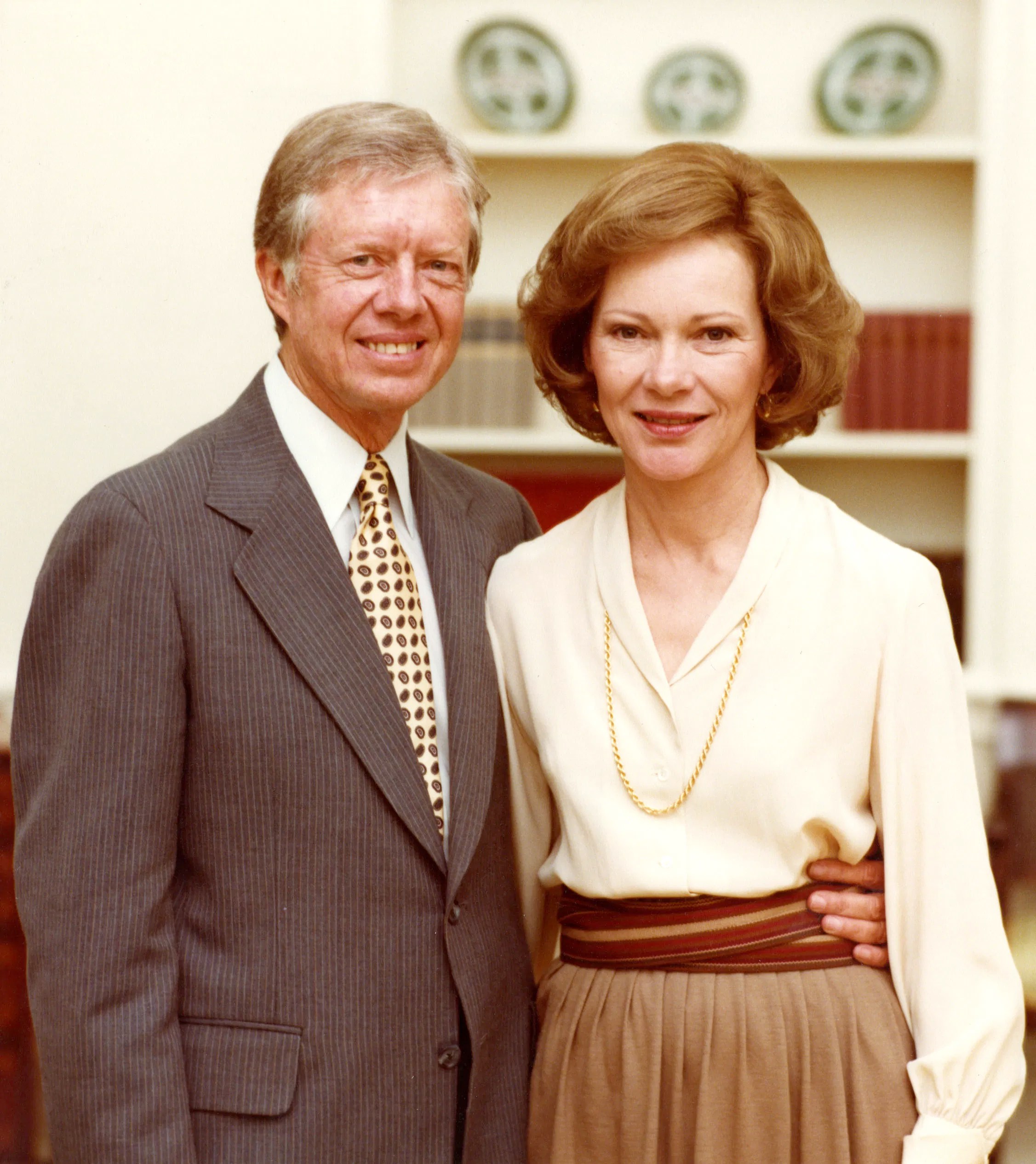
While his presidency was uneven (inflation and the Iran hostage drama didn’t help), Carter was revealed as more than a fair peacemaker (and his diplomatic work was integral to resolving the hostage crisis). He continued that work after he left the White House, serving as a template for a post-Oval Office life full of humanitarian service and good works. He also took up the reins of making sure more people could afford homes by partnering with Habitat for Humanity, with he and his wife Rosalynn becoming the public faces of the organization.
But more than what he did for this country and others was the example he put forward of a cheerful servant. This quote from Carter epitomizes the sort of person he strove to be: “My faith demands—this is not optional—my faith demands that I do whatever I can, wherever I am, whenever I can, for as long as I can, with whatever I have to try to make a difference.”
If I were to make a resolution, that sounds like a good one.
 Serenity is a fuzzy belly