

It’s hard to believe, but some people forget that I’m a big ol’ honkin’ nerd. Not just about words, but knowledge in general. (You might recall that not only do I have a master’s degree, but that it’s in mass communications research. I’m a nerd through and through.) I can get lost for days diving down rabbit hole after rabbit hole on something that’s piqued my interest.
And presidents? Well, there are many I admire (including the one with the same name as my grandpa, which is probably my main reason; Grover Cleveland was the first of two presidents to get back to the White House after losing re-election). George Washington, Abraham Lincoln, and many others top my list, but one has always edged out most for me: Teddy Roosevelt, so much so that I frequently use quotes of his in my columns, especially those on patriotism.
It helps that the man was a prolific writer after his presidency, and he did not mince words.
One reader was troubled by that: “In her column defining Patriotic Duty, Miss Looper actually quotes Theodore Roosevelt and conflates it into a justification for her stance on DEI! Theodore Roosevelt, the ‘manliest’ American President to ever hold the office! The same man of whom the Oxford Academic writes: ‘No single figure in American history better demonstrates the influence and power of masculinity in history than Theodore Roosevelt.’ The same man who also said this: ‘Of course the effect that a thoroughly manly, thoroughly straight and upright boy can have upon the companions of his own age, and upon those who are younger, is incalculable. If he is not thoroughly manly, then they will not respect him, and his good qualities will count for but little.’ The same man who spoke this of his father: ‘I was a sickly and timid boy. He not only took great and untiring care of me … but he also most wisely refused to coddle me, and made me feel that I must force myself to hold my own with other boys and prepare to do the rough work of the world.’ More TR: ‘No man is a good citizen unless he so acts as to show that he actually uses the Ten Commandments’; and ‘To be helpless, self-indulgent, or wasteful will turn the boy into a mighty poor kind of a man, just as the indulgence in such vices by the men of a nation means the ruin of the nation.’
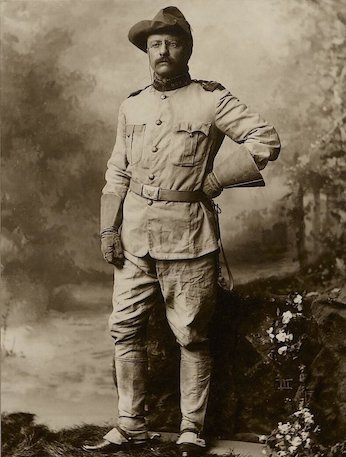
“To use TR to promote DEI is a betrayal of journalistic standards and integrity, and a woeful ignorance of history. She does have this in common with TR—using her column as a ‘Bully Pulpit’ to promote her stance on all things DEI. And if you don’t share the same belief, well, you are wrong and shame on you.”
Well …
First of all, thanks for reading, but I’m afraid you’ve mistaken Teddy Roosevelt for someone who, because of his acclaimed manliness, was unable to see the value in something like diversity, equity and inclusion. (And by the way, that Ten Commandments quote is only partial; the full quote references The Golden Rule as well, which some might call Jesus’ version of DEI. 😏)
I may be wrong, but I sense an implication that manliness and a broad worldview are mutually exclusive (which sounds an awful lot like the toxic masculinity that is far too rampant in certain sectors nowadays). That would be harsh news to a lot of manly men I know who pride themselves on being evolved and enlightened to the ideas that diversity of thought, of people, makes us stronger, and that all those willing to put in the work who have the same qualifications deserve the same opportunities regardless of gender, ethnicity or whatever.
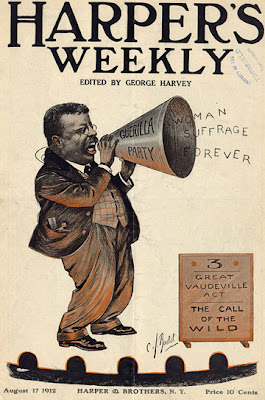
I would remind dear reader that Teddy Roosevelt was a key figure in the progressive reform movement of the early 1900s, which helped lead to greater rights for workers endangered by unfettered capitalism (any system taken to its extreme is harmful, which is why regulations are needed since we can’t depend on everyone to be on their best behavior). Kirsten Swinth of the Gilder Lehman Institute of American History wrote, “Among progressivism’s greatest champions was Theodore Roosevelt. Roosevelt had a genius for publicity, using the presidency as a ‘bully pulpit’ to bring progressivism to the national stage. Roosevelt’s roots were in New York City and state government, where he served as state assemblyman, New York City police commissioner, and governor. As governor, he signaled his reformist sympathies by supporting civil service reform and a new tax on corporations. Republican Party elders found him so troublesome in the governor’s office that in 1900 they proposed him for the vice presidency, a sure-fire route to political insignificance. The assassination of William McKinley just months into his presidency, however, vaulted Roosevelt into national leadership of progressive reform.
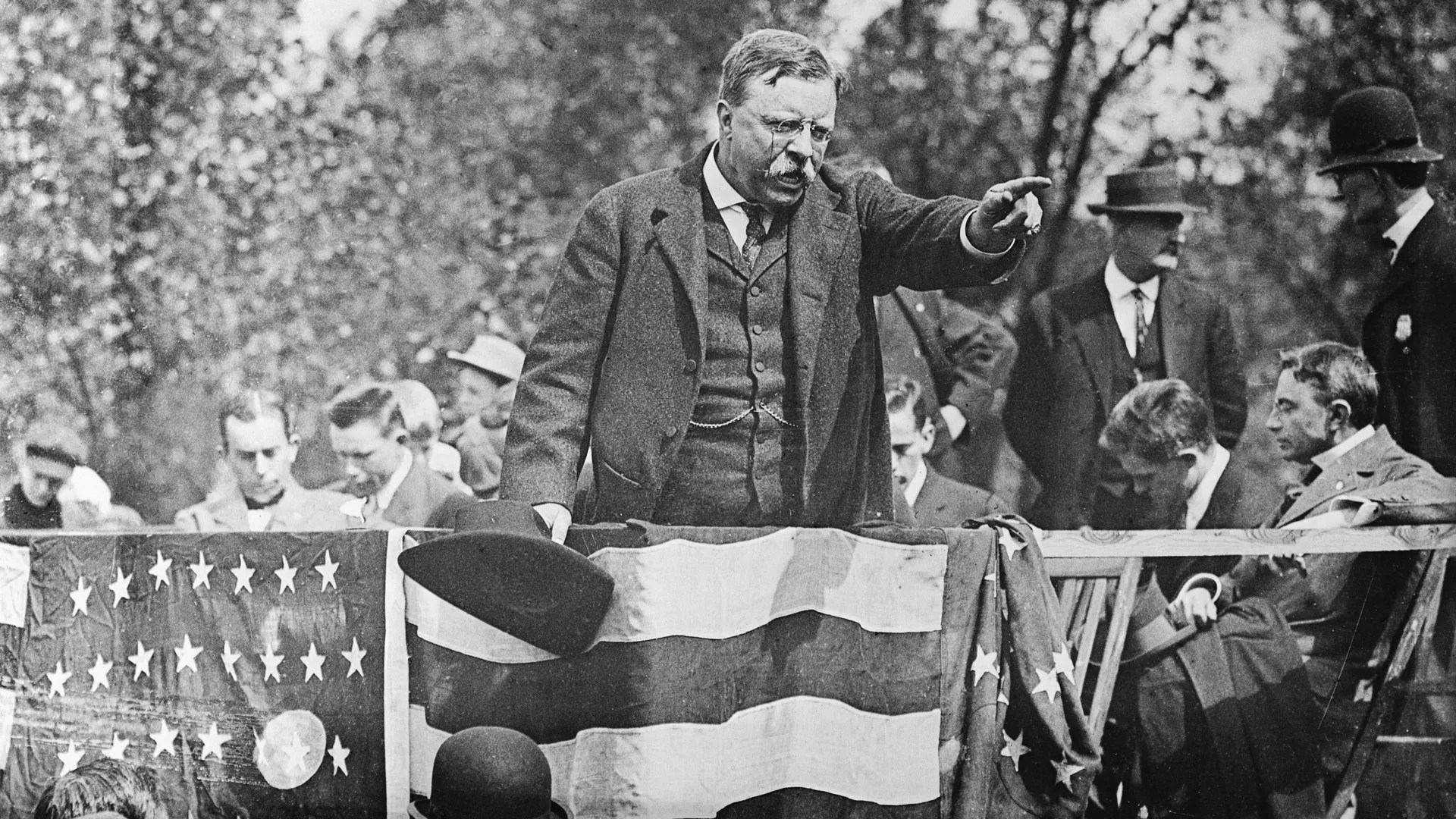
“Although Roosevelt was known as a trust buster, his ultimate goal was not the destruction of big business but its regulation. For Roosevelt, the concentration of industry in ever fewer hands represented not just a threat to fair markets but also to democracy as wealthy industrialists consolidated power in their own hands. … During Roosevelt’s second term, regulating business became increasingly important. Roosevelt had always believed big business was an inevitable economic development; regulation was a means to level the playing field and provide the “square deal” to citizens, as Roosevelt had promised in his re-election campaign. …
“Although not always successful in achieving his goals, Roosevelt brought to the federal government other progressive causes during his presidency, including support for workers’ rights to organize, eight-hour workdays for federal employees, workers’ compensation, and an income and inheritance tax on wealthy Americans. Under his leadership, conservation of the nation’s natural resources became a government mandate.”
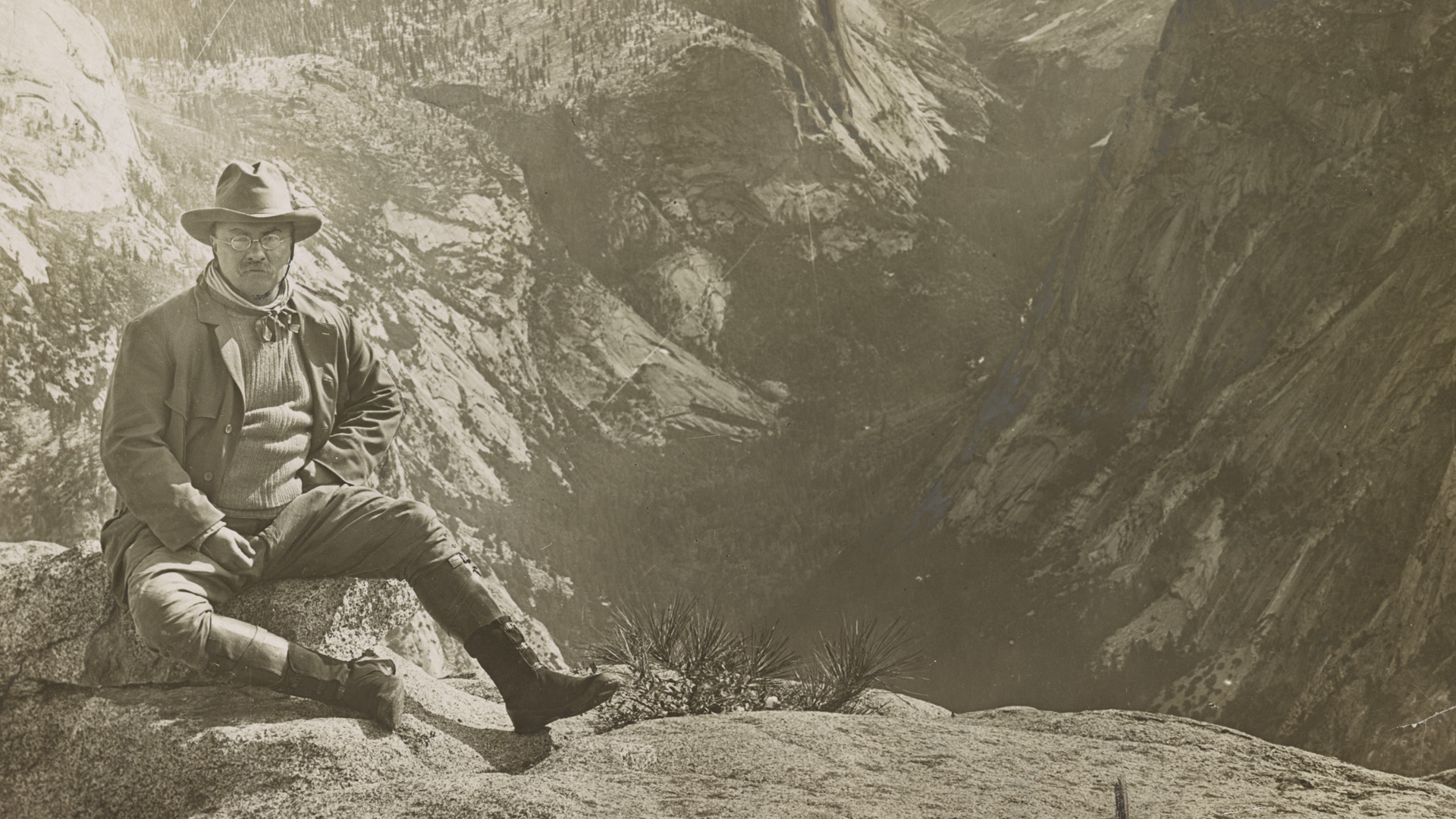
Yes, please thank Teddy the next time you visit a national monument or other public lands protected by the Antiquities Act of 1906, and the eventual formation of the National Park Service 10 years later.
While his views on race were at best problematic (while he welcomed and appointed many minorities, his views on minorities as a group tended to emphasize inferiorities), as the Progressives’ 1912 presidential candidate, the former Republican Roosevelt endorsed women’s suffrage (he was the first presidential candidate to do so). He voiced support for marriage equality (going so far as saying that a woman shouldn’t have to take the name of her husband) at least as far back as his senior year at Harvard. In his autobiography “Applied Idealism,” Roosevelt noted, “Women should have free access to every field of labor which they care to enter, and when their work is as valuable as that of a man, it should be paid as highly.”
(Note from Bren: I erred here: “Applied Idealism” is a chapter in his autobiography, not the title of the whole book. Mea culpa.)
Oooooh … sounds like DEI, doesn’t it? Or maybe just common sense. If we want to promote true merit, judge blindly, with no foreknowledge of a job candidate’s age, gender, ethnicity, religion, etc. Claiming a woman or minority in a position of authority is a DEI hire seems to imply that the claimant’s view of “merit” is straight white male only. Bring up “pigment and plumbing,” and you’d better run, because I might be tempted to smack you, especially if you’re always crowing about merit.
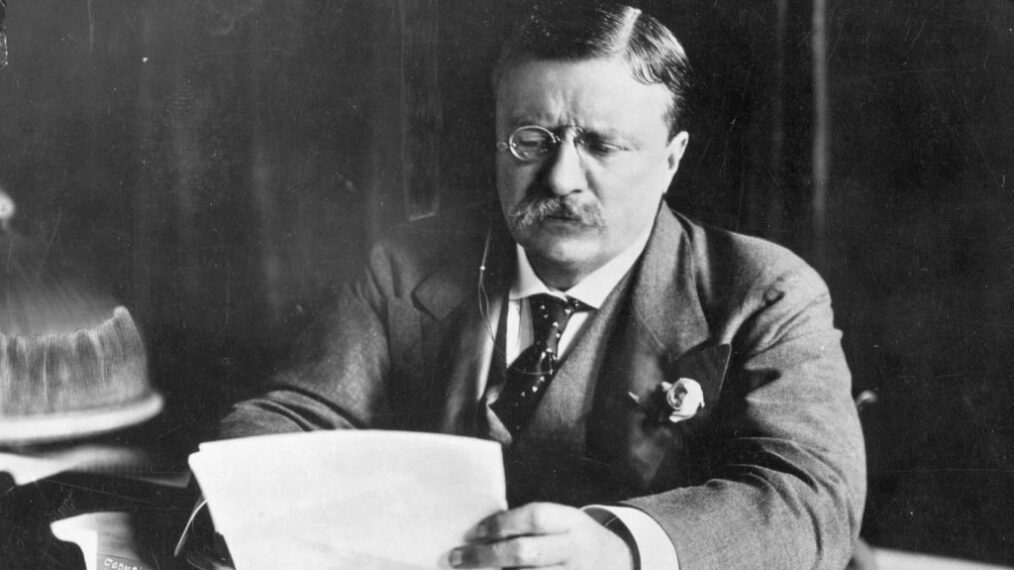
Roosevelt is one of the reasons I’m no fan of binary thinking: One can be manly, a feminist, a traditionalist, a conservationist, not completely evolved on matters of race, and a million other things all at the same time. Yes, he was a Rough Rider and outdoorsman, and the epitome of masculinity in his time, but he was also a man who lost his first wife and his mother on the same day, and lost his son in World War I. He was a complicated man full of good and bad ideas, contradictions, and all the other things that make us human. Nothing in life is black and white, really, but instead shades of gray.
Life is complicated enough without people trying to force nuance to disappear for the sake of easy talking points. And you know how much I hate talking points.
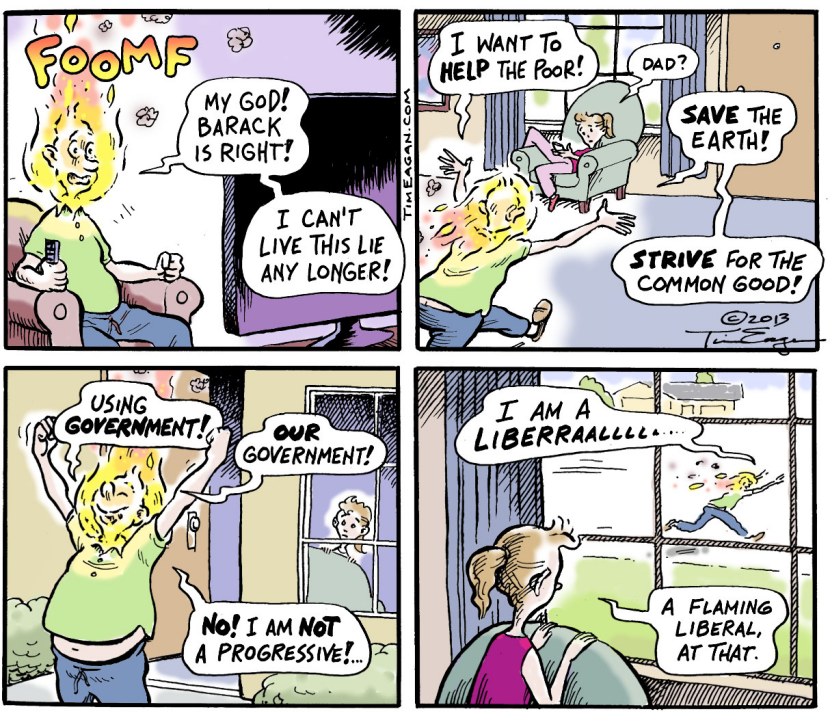
Take that from a flaming liberal (according to a letter-writer on Wednesday’s page below my column; nice try, but not really accurate, except maybe on social issues).
 Serenity is a fuzzy belly