
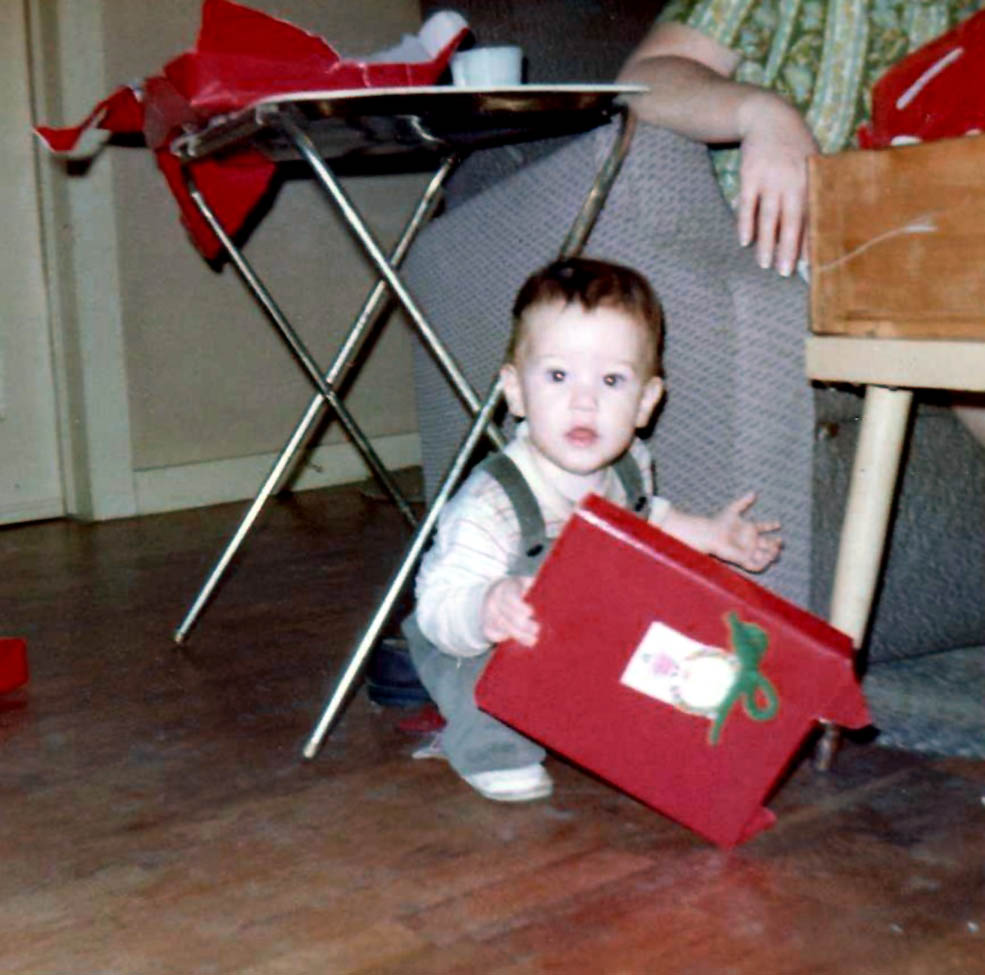
It should come as no surprise that I was a bookish kid. I learned to read before school ever started, partly because I wanted to be able to do what my brothers could.
Mama kept a wide range of books around, from a collection of dictionaries of foreign languages (there was even an Esperanto section in one, if I remember correctly, and they were stored in the bathroom linen closet) to Grimms’ Fairy Tales, several Disney and other children’s books, poetry, a collection of classic plays from one of her one semester of college classes (which included George Bernard Shaw’s “Pygmalion,” as well as something from Henrik Ibsen, which I’m almost positive was “A Doll’s House,” and Anton Chekhov, which I think was “The Cherry Orchard” but could have been “Uncle Vanya”) and Alfred Hitchcock mystery anthologies. A good lot of them were second-hand, either donated, found, or bought cheaply at yard sales, and I really wish I still had some of them, especially that play collection.
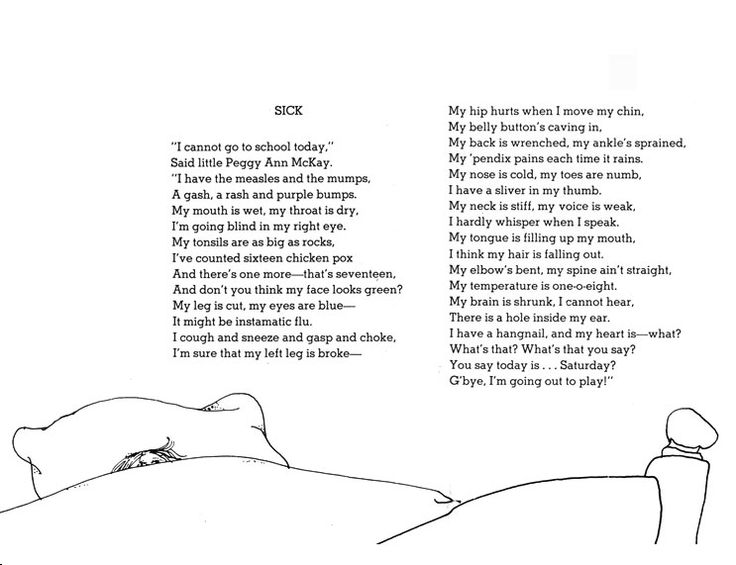
Then when I went to school, I discovered the library. I checked out probably every volume of Shel Silverstein and Ogden Nash poetry, most biographies (including that infamous Parson Weems work on George Washington that fed the cherry-tree fable), Greek mythology, and anything else I had my heart set on. Mama always checked what I brought home, but never felt the need to curb my curiosity.
When school was out, we’d often head to the Greenwood library, and would sometimes spend far longer there than intended. When I went to high school, I worked in the school library during free periods, I think from seventh grade till I graduated. What we couldn’t find for research projects at the school library or Greenwood we usually could get at the Fort Smith Public Library. Once I went to college and had the ASU library at my fingertips, you can’t imagine how much time I spent there. I’m pretty sure that I checked out every book in the criminology/psychology/sociology section.
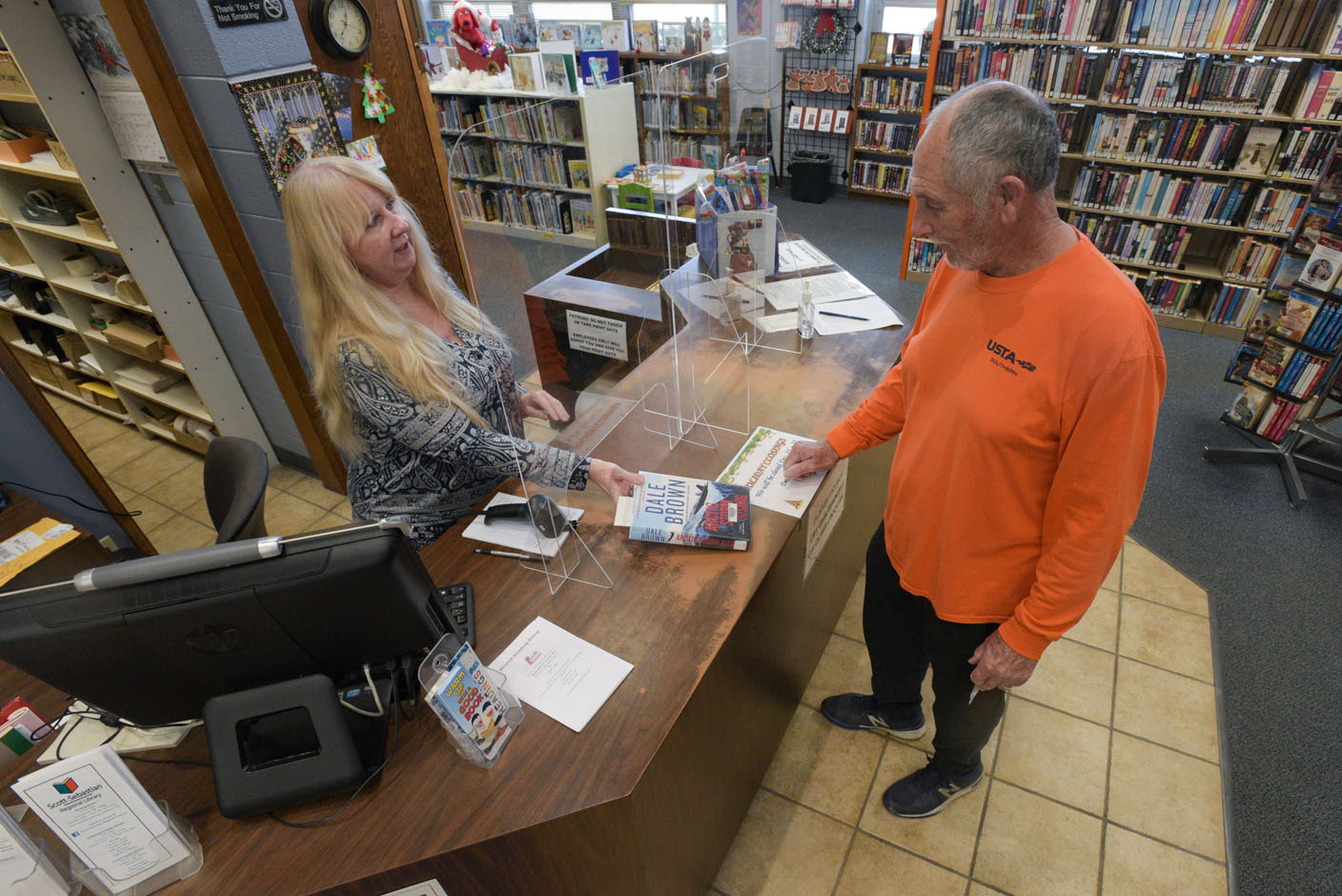
The library throughout my school years was my happy place. I was surrounded by literature and by people who loved reading as much as I did. Maybe when I was a kid there were a few adult skirmishes over certain books, but I don’t remember any while I was in elementary or high school. Sure, I lived in my head a lot then, too, but I would hope I’d remember a big kerfuffle.
Now, though, things are different because that thing I despise—politics—has wormed its way into my happy place in the form of culture wars that accomplish little but stirring up anger for political talking points.
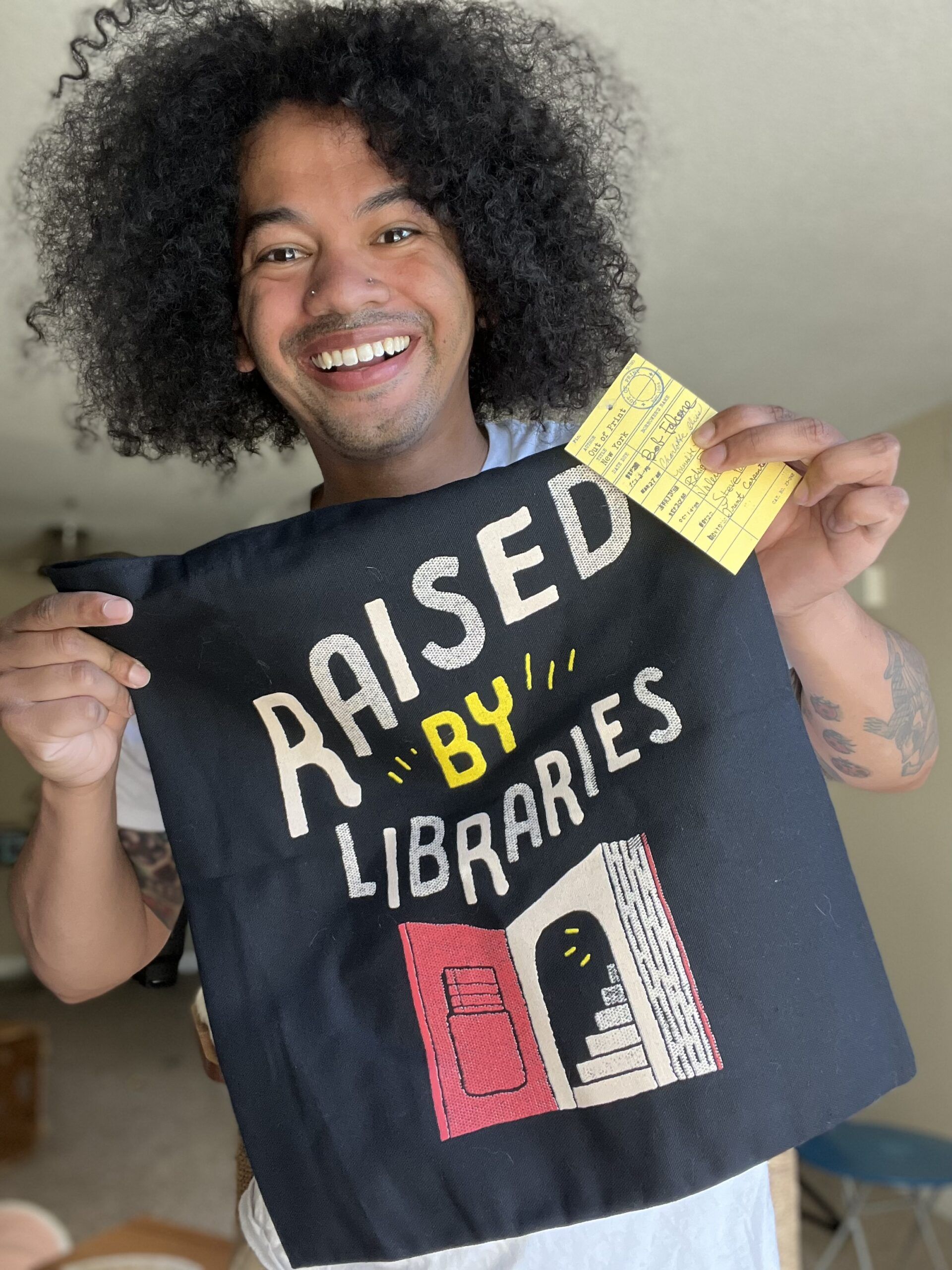
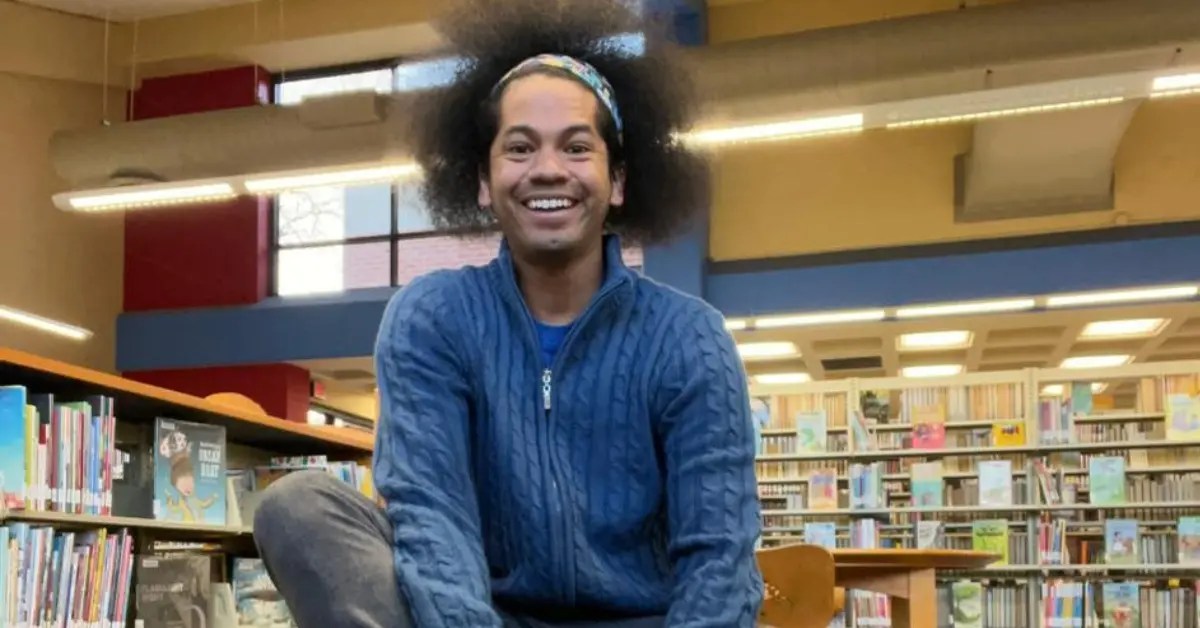
Mychal Threets, supervising librarian at the Fairfield Civic Center Library in Solano County, Calif., has become a bit of a hero to me, partially because he spreads library love liberally (i.e., with great abandon) on social media, and because he reminds me a bit of Mr. Rogers and LeVar Burton (of “Reading Rainbow”) in one package … plus he has a gorgeous cat and deals with some of the same mental-health struggles I do (anxiety and depression, get thee behind us). He told Washington Post writer Sydney Page, “Libraries are so much more than books. It’s a place that’s there for you. The doors are open. The library is for everybody.”
That’s exactly how I’ve always felt. Who could seriously have a problem with libraries, especially if they knew the people running them usually went to school for this and know more than a little about what’s appropriate for certain grade and/or maturity levels?
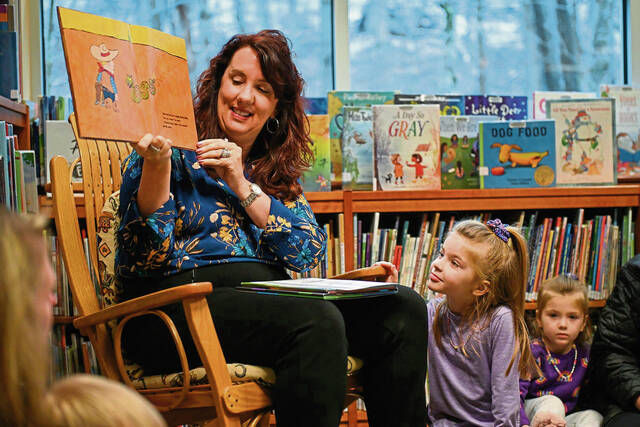
Oh, but I hear some saying, you’re clueless about what’s in libraries nowadays. Sure, I have no kids, and have no reason to hang around the children and teen sections in a library (yeah, that’s kinda creepy to do if you’re a single person unless you’re going there specifically to pick up something for a niece or nephew), even though some teen and young-adult literature deserves a wider audience. But how much of what you think is in inappropriate places for kids in libraries actually is, and how much of it is political fever dream?
While there are always legitimate concerns about some books being available to children beyond their maturity level, well-trained and knowledgeable librarians (and I have a lot of them among my friends) are now being demonized simply for working at libraries or for, as Threets found out recently, sharing their love of the library.
Threets often shares library videos online (I follow him on multiple platforms, including Facebook and Threads), and late last month someone shared one of them to X/Twitter, commenting that “people are getting weirder.” The insults and mischaracterizations flooded in, including comments insinuating he was a danger to children, which he said really saddened him. He learned of the post, which had been viewed more than 43 million times, while at his grandmother’s 90th birthday party.
But then people came to his defense in droves, Page wrote in her story on Threets. “‘Incredible, you took a guy who is passionate about his job of being a librarian and trying to encourage adults and kids to read more/get a library card … and somehow made it negative,’ one person commented.
“‘Have we decayed so much as a society where general wholesome enthusiasm is seen as an undesirable trait?’ another person wrote.”
Apparently so.
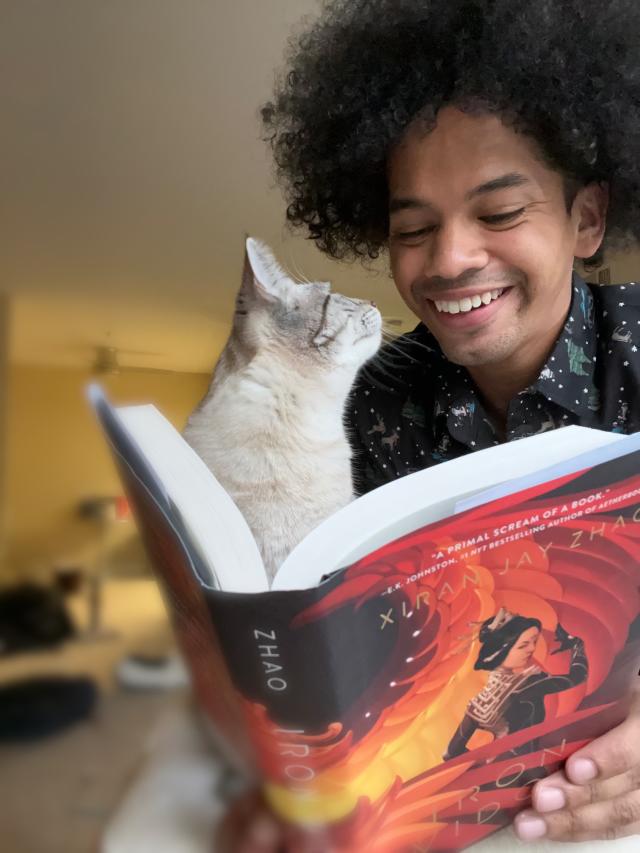
One of the things that most upset Threets was the negative connotation given to being weird, he told Page. “There is nothing wrong with being weird. I have some of the weirdest friends in the world. They are extraordinary and they are amazing because of their weirdness.”
All hail the weird, because without us, the world would be no fun at all. If you have a weird friend, cherish them. They cherish you for letting them be their weird selves.
Alt-right podcaster Josh Lekach posted that video on X/Twitter, telling The Post that he finds Threets’ videos “bizarre and performative.”
“Those millions who disagreed with my benign post are wrong,” he wrote in an email.
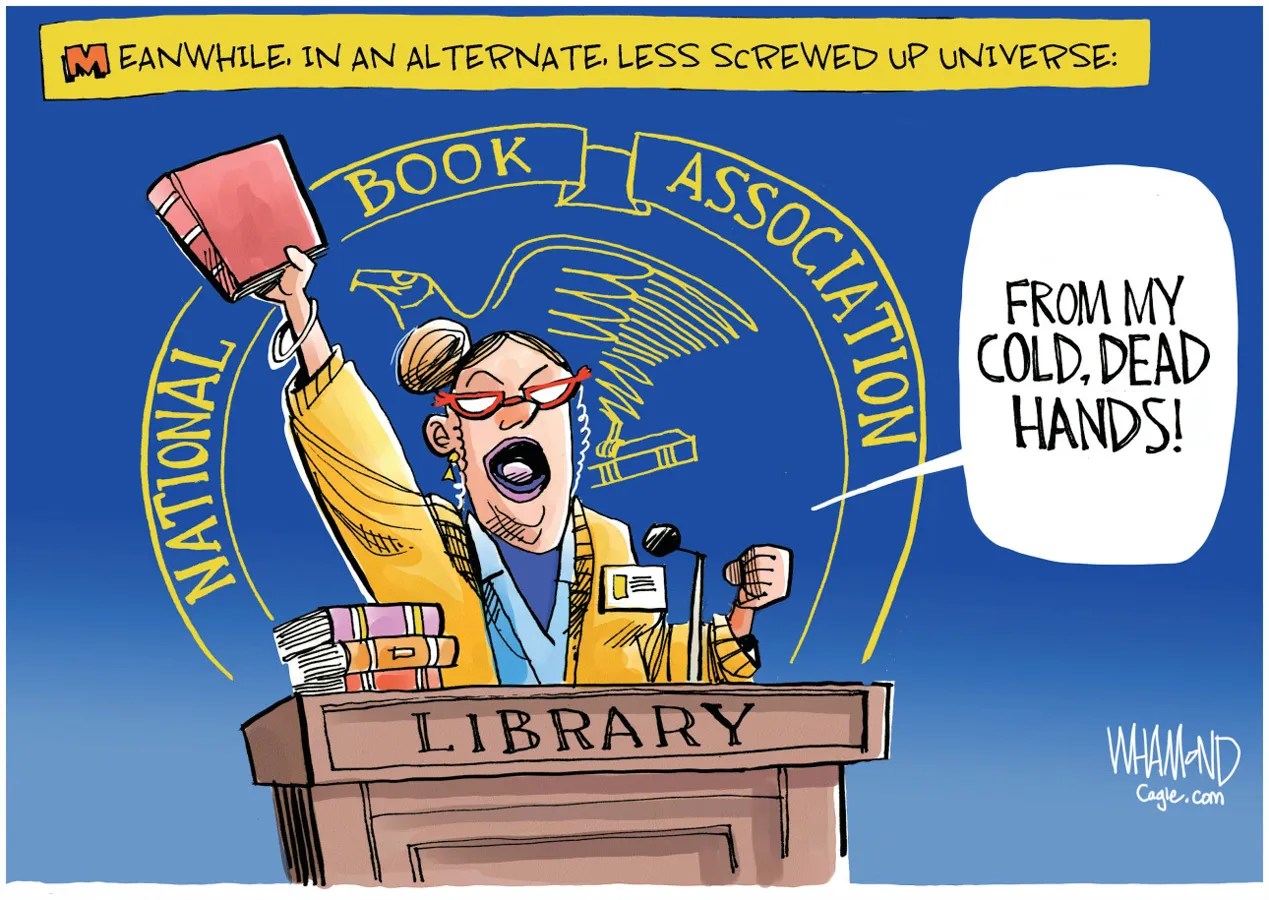
Sure … because apparently it’s wrong to defend people who love books and libraries, and who want to spread love, light and knowledge to the world after they’re attacked by someone who specializes in rage-bait.
(Lekach maintains that The Post refused to post his entire statement, which shows he doesn’t understand that the story wasn’t about him, and that print editions [and replica editions like ours] have to make editing decisions based on space availability and applicability to the stort at hand. His complete statement said more about “The Big Bang Theory” than it did Threets. Just no, dude. And someone needs to read a dictionary, because he posted a whole thread on Threets after that video that was nothing but insulting. It was hardly benign.)
Just like with a misogynist, white nationalist, homophobic, anti-anything-that-makes-people-happy rage-baiter, I find it hard to take seriously most of the recent book challenges, especially when so many of them come from just a few people, or from national organizations with political agendas, usually taking aim at a narrow genre, typically with out-of-context passages and misrepresenting the availability of certain books. Or they drag in drag queen story hours, which are the same as anyone else who dresses up in a costume to read a book to kids. It’s a PERFORMANCE, nothing more (and the drag queens who do this usually wear far more clothes than someone who might come in to read as Cinderella).

Last year, The Post dived into the formal book challenges tracked by PEN America researchers in 153 school districts for the 2021-22 school year and found that the majority of the 1,000-plus challenges they looked at came from just 11 people (60 percent of the challenges came from people who filed 10 or more). Most people who filed challenges that school year filed only one.
Some of those serial filers did the work themselves (though some likely checked online sources/news reports for books to challenge), but some, like Jennifer Pippen, one of the founders of Moms for Liberty, relied on well-organized volunteers to do that, then file under their own name. Books featuring LGBTQ+ or people of color characters/storylines were more likely to be challenged, and many of them were said to be “illegal” by the filers.
When groups like Moms for Liberty and MassResistance waste library staff time and taxpayer dollars with their serial challenges, it doesn’t exactly scream, “We care about our kids.” It’s more, “We don’t like what we don’t understand, so we’re gonna scream and throw tantrums until you do what we say.” Heck, the members might not even have kids in the district, but they sure do like forcing others to submit to their will. Makes them feel powerful.
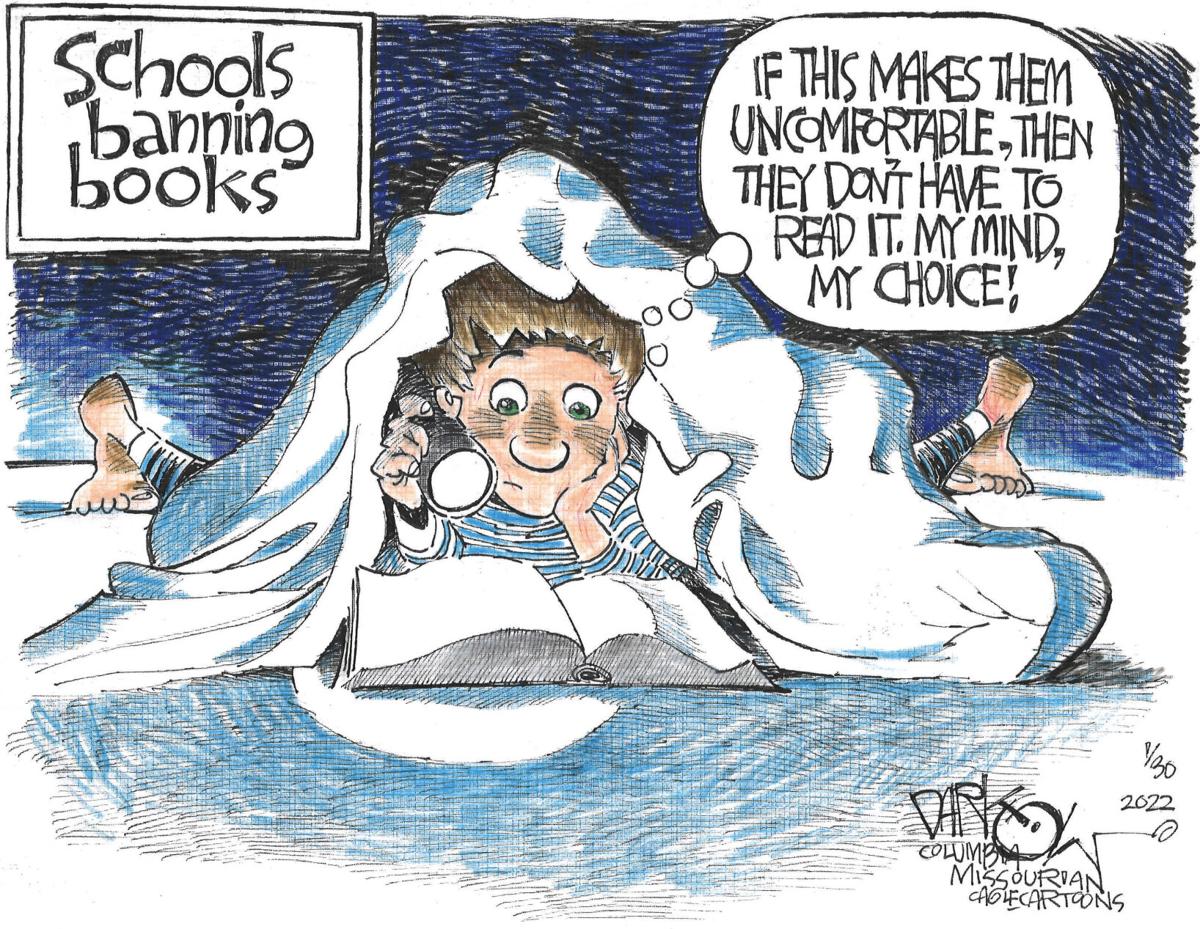
Still, we should take these challenges seriously. “These attacks on our freedom to read should trouble every person who values liberty and our constitutional rights,” said Deborah Caldwell-Stone, director of the American Library Association’s Office for Intellectual Freedom, on the ALA website. “To allow a group of people or any individual, no matter how powerful or loud, to become the decision-maker about what books we can read or whether libraries exist, is to place all of our rights and liberties in jeopardy.
“Expanding beyond their well-organized attempts to sanitize school libraries, groups with a political agenda have turned their crusade to public libraries, the very embodiment of the First Amendment in our society. This places politics over the well-being and education of young people and everyone’s right to access and use the public library.”
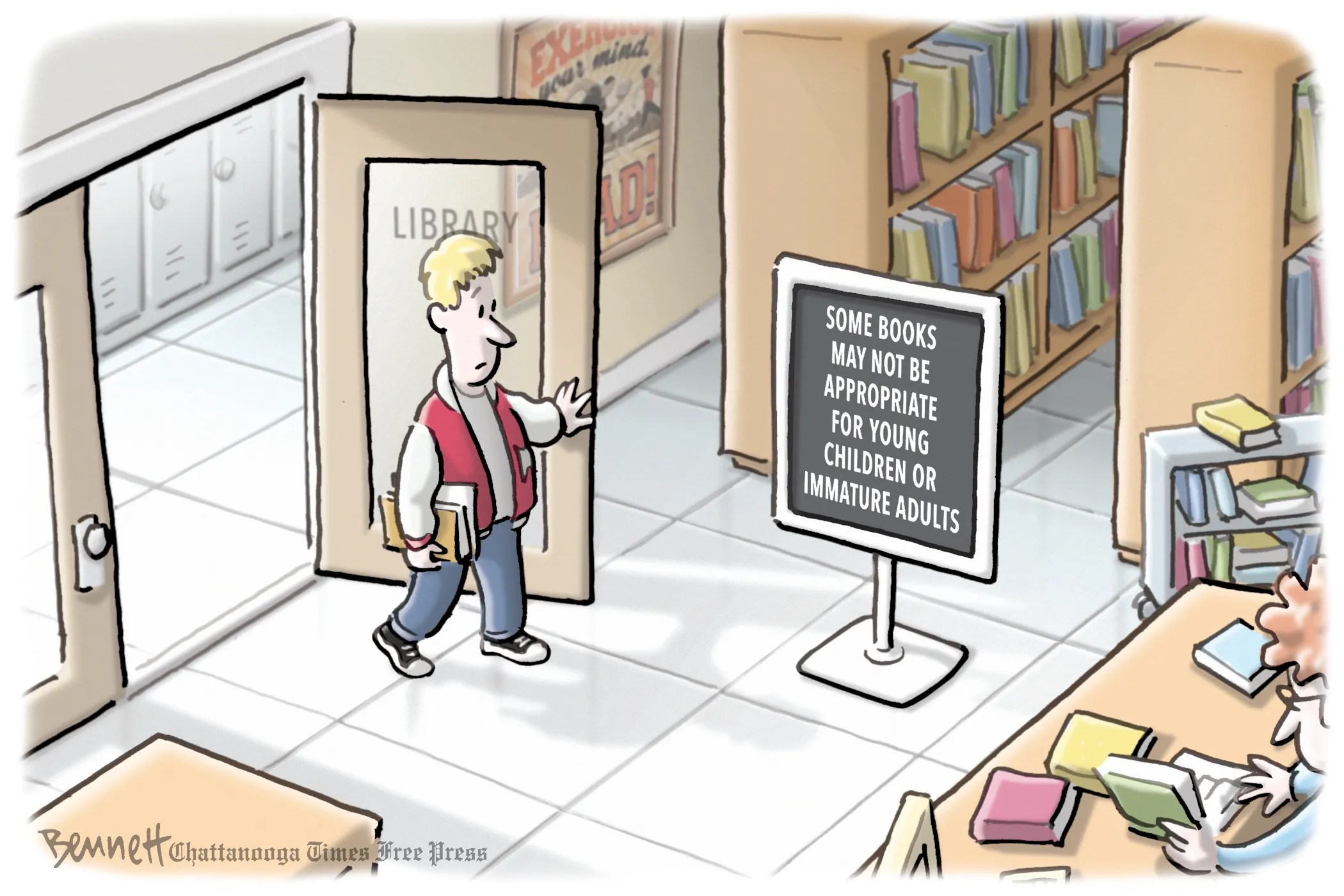
And c’mon, stop with the “groomer” talking point. You’ve taken a legitimate term regarding the process in which pedophiles and others manipulate their victims (and their families) to not only accept abuse but to also be silent about it, and turned it into a political tool, labeling every person with whom you disagree a groomer. But sure, call librarians groomers without proof and ignore actual proof of pastors and others who sexually abuse children.
Here’s a thought: If you have children, it is your responsibility to be the final arbiter of what your children read, but not what other children read. That means that forcing a library to remove or move a book to a restricted section because you don’t want your children to read it is essentially calling for book banning and, as has often been said, the ones banning books tend not to be the good guys.
Go ahead and point that out to one of these people. They love it.
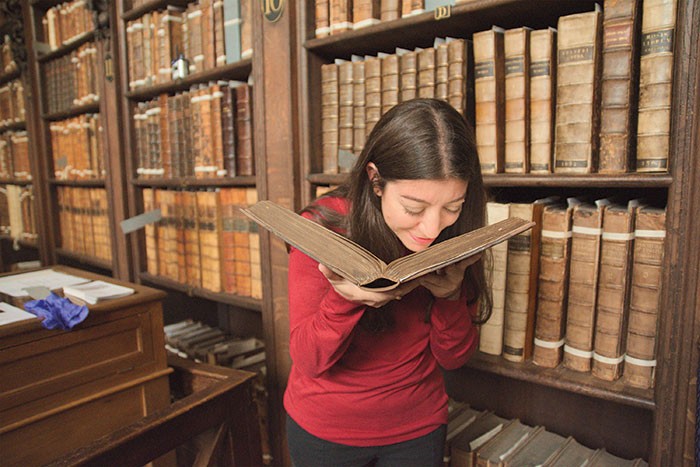
All I keep thinking is that too many of these people must not have had good experiences with books and/or libraries when they were growing up (or they’re easily led). I pity them. Getting the joy of opening a brand-new book and cracking its spine, or finding an aged and beautifully illustrated book (that book of Greek mythology comes to mind, maybe “D’Aulaires’ Book of Greek Myths”) is amazing, and I got that all through my childhood. Since we were pretty poor, the library was a godsend for us.
Every child should get the chance to have an awesome librarian in their life, someone who takes a genuine interest in giving them the chance to open their minds to the world of imagination found in books. I had several, including Dollie Gage, who was the librarian during most of my high school tenure behind the library desk, and I’m thrilled to have many library employees and directors among my circle of friends.
Seriously, the bookish people tend to be wildly entertaining. Quiet, but entertaining.
Threets was one of 10 honorees earlier this month of the I Love My Librarian Award (along with Clare Graham, director of the Malvern-Hot Spring County Library in Malvern; congratulations!!), well-deserved praise for someone who just wants to engender understanding and library joy.
Of his detractors, he told Page of The Post, “I hope those people have a much better day tomorrow. I hope they experience kindness. I hope they experience joy. I hope they remember that they still belong at the library. I hope better days are ahead of them.”
I hope so too. Maybe they should read “Sick” by Silverstein. It’s always made me feel better.
 Serenity is a fuzzy belly