

Bullies will never find a safe space with me. Maybe it’s because I was bullied (many of us who didn’t really fit in were), but I have the tendency to rear up in defense of someone else who’s being bullied. I don’t cut those bullies (and trolls) much slack.
Sure, blame my mom and my church for teaching me to care for the least of these, but I find it disgusting when I see people gang up on someone asking for help. Legitimate criticism is one thing, like for a public action that was harmful to others, but sincerely asking for help and understanding is not that.
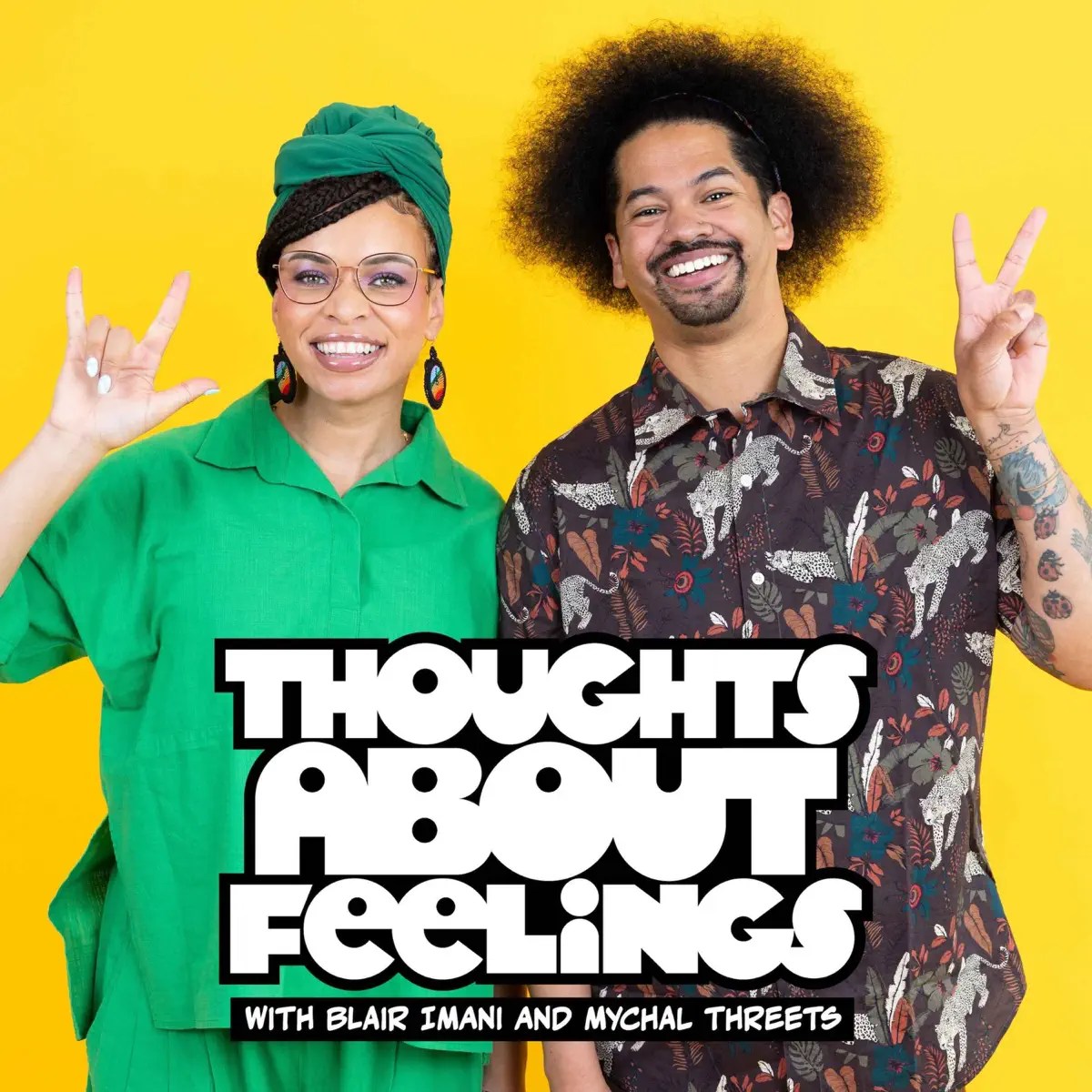
Librarian Mychal Threets was bullied on Twitter and TikTok a couple of years back for having the audacity to talk about library joy and his mental health (he ended up resigning from his position at a California library because he needed to focus on his mental health in the wake of that, despite the wellspring of support that rose up for him), and now there are people trying to bully him on Threads … but they didn’t get the memo that Threads friends will defend their friends aggressively. While X/Twitter, Truth Social and other social media platforms are amusement parks for bullies and trolls, Threads is self-policing. Why? Because we like it to be a nice place and will do our best to keep it that way.
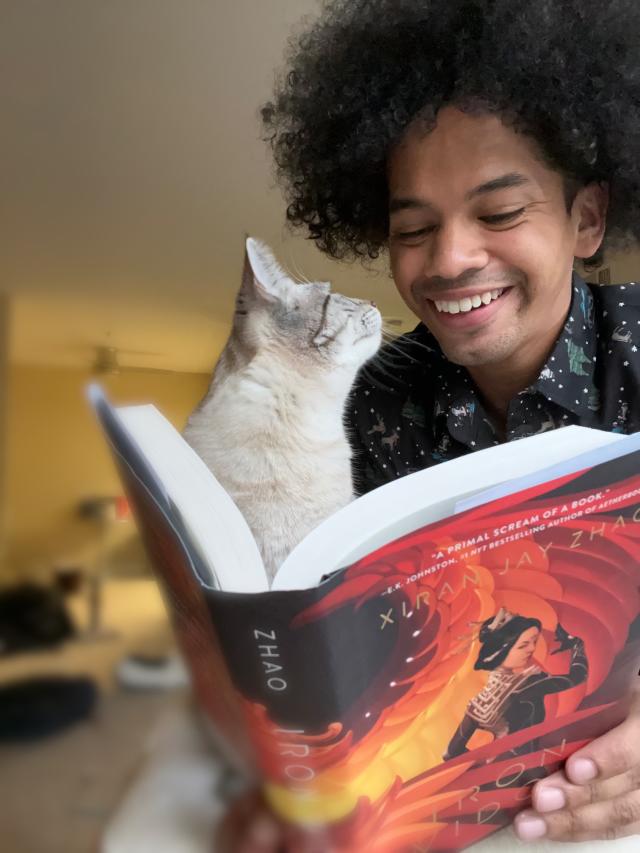
(I missed part of the drama because of my weekly social-media fast, but caught up quickly, and mounted my hobby horse to support Threets, a seriously sweet, kind, thoughtful and caring man.)
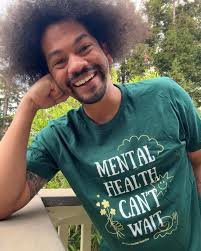
Threets, now the PBS resident librarian and host of the relaunched “Reading Rainbow,” has long struggled with his mental health and suicidal ideation, which is familiar territory for many of us. Because he’s been open about it has meant that there are those (sometimes purporting to be therapists) who have publicly shamed him for it.
This is why we can’t have nice things, and why mental well-being is still stigmatized when it really shouldn’t be.
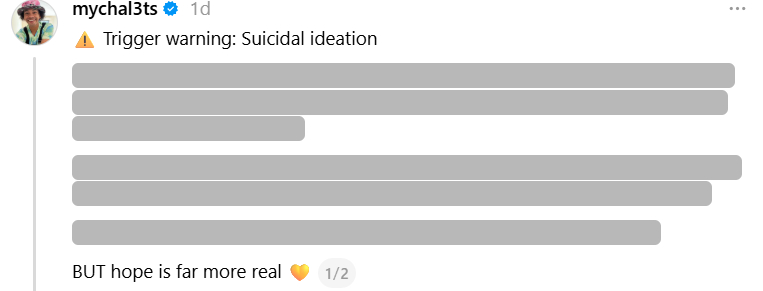
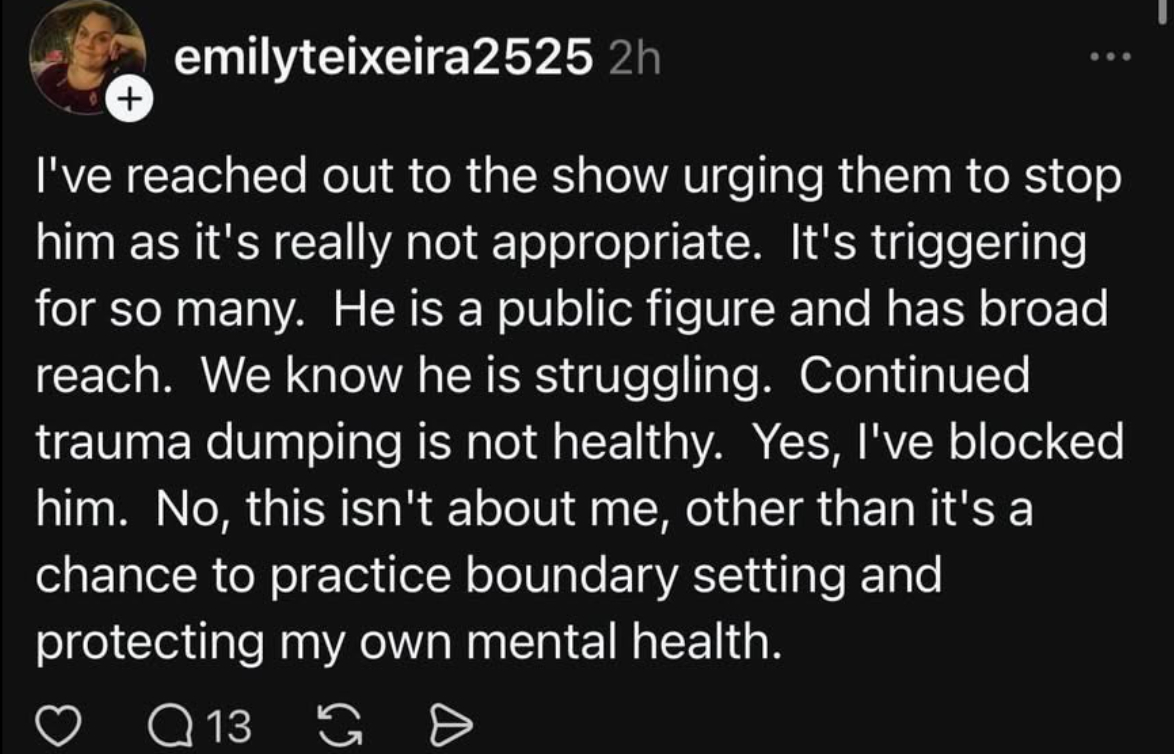
Threets added a trigger warning to his post about suicidal ideation, and hid the text (a nice little feature Threads has) so that you would have to actually click on it to read it, thus making it a lot less likely that someone would accidentally be triggered by what he wrote. And yet one person posted in response that she had reached out to “Reading Rainbow” to “stop him” because he’s a public figure with broad reach, and “continued trauma dumping is not healthy.”
Ahem, ma’am. You did what you should have done to protect your own mental health by saying you had blocked him. Why did you then feel the need to not only post about it, but also try to get him fired from his job?
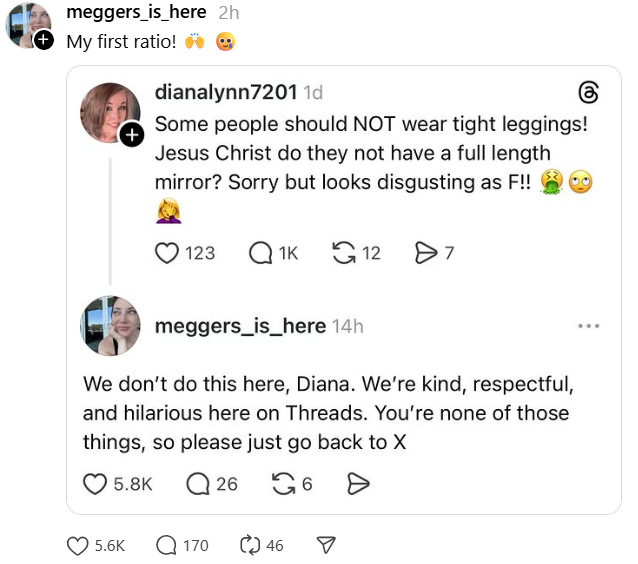
It didn’t take her long, though, to figure out that the Threads algorithm was not on her side, since she apparently fled. If only more bullies would take the hint. (I know, the bullies are going to claim they’re being bullied; nope, that’s called reaping the consequences of your actions. I know it’s not seen enough these days, but it happens, especially in spaces that care about rules and protecting people.)
Many of the comments I saw about the affair were spot-on, but I was especially taken with Canadian Terri Marshall’s response to a post from The Tye Cooper Show about the notion of setting boundaries: “Speaking as a person who has triggers and needs to protect my mental health, I can do that by setting boundaries. I will leave if a situation is challenging for me. If it is my home I will ask for my boundaries to be respected or for the person to leave. I will probably restrict that person’s access to me. In the public realm the only behaviour I can control is mine. I can choose to see posts that are triggering and interact or mute/block/hide comments. That’s it.
“I do not have a right to tell another person how to express themselves. I do not have a right to contact that person’s friends, family or employer because I don’t like something. I don’t know them, I don’t have any expectation of their behaviour. My triggers are mine to manage. Not an excuse to be entitled.”
It should be a simple concept, especially for people who love to beat people over the head with the whole “personal responsibility” shibboleth. Just because you’re uncomfortable doesn’t give you the right to dictate what everyone else does, reads, or anything else. The availability of something doesn’t mean you have to partake. You can just ignore it and go on and live your life unless it has an actual effect on you (and I doubt it does in most instances; the existence of the LGBTQ+ community, people of color, women, the disabled, the neurodivergent, etc., really just provides more variety to life, and accommodations for them have been made to actually include them in spaces where they’ve been wrongfully excluded, not to give them special treatment).
Like so many have told the trolls on my columns, if you don’t like what I or anyone else writes, you don’t have to read it. There’s no one forcing you to do so, and there’s no penalty for just skipping it. If you decide to act like an ass/lie/insult/etc. in the comment section, don’t be surprised when you get called out.
As Threets has often said, it’s OK to not be OK. Knowing where you stand in your mental health is important, and has been ignored for far too long. We’ve made mental illness something only whispered about, not confronted. We’ve made the idea of getting help when you’re not OK a disreputable notion, which puts a psychological barrier up, making the very real need something shameful. For Black men like Threets, it’s long been a cultural stumbling block.
No one should be discouraged from seeking help when they need it. It’s not manipulative to let people know you’re struggling. Suicidal ideation doesn’t just go away, and it’s far better for those with it to let people know than to suffer silently, and possibly go through with it. Losing that person when you might have been able to do something to help them is infinitely worse than a momentary bit of uncomfortable truth. More than a few of us have lost people we loved to suicide (I lost my nephew David), and many have made it about themselves instead of the person who was suffering. The truth: It hurts to lose them, but there were reasons they didn’t feel comfortable or safe sharing their pain with you, and spending so much time focusing on your anger over their suicide rather than their pain that led to it helps no one.
I’ve been open about my history of depression and anxiety, and I wish more people felt free enough to share their struggles. Keeping it to ourselves or, worse, castigating those who are open about their mental health helped get us to the point where we are now, a time and place where caring for others is considered a weakness by too many.
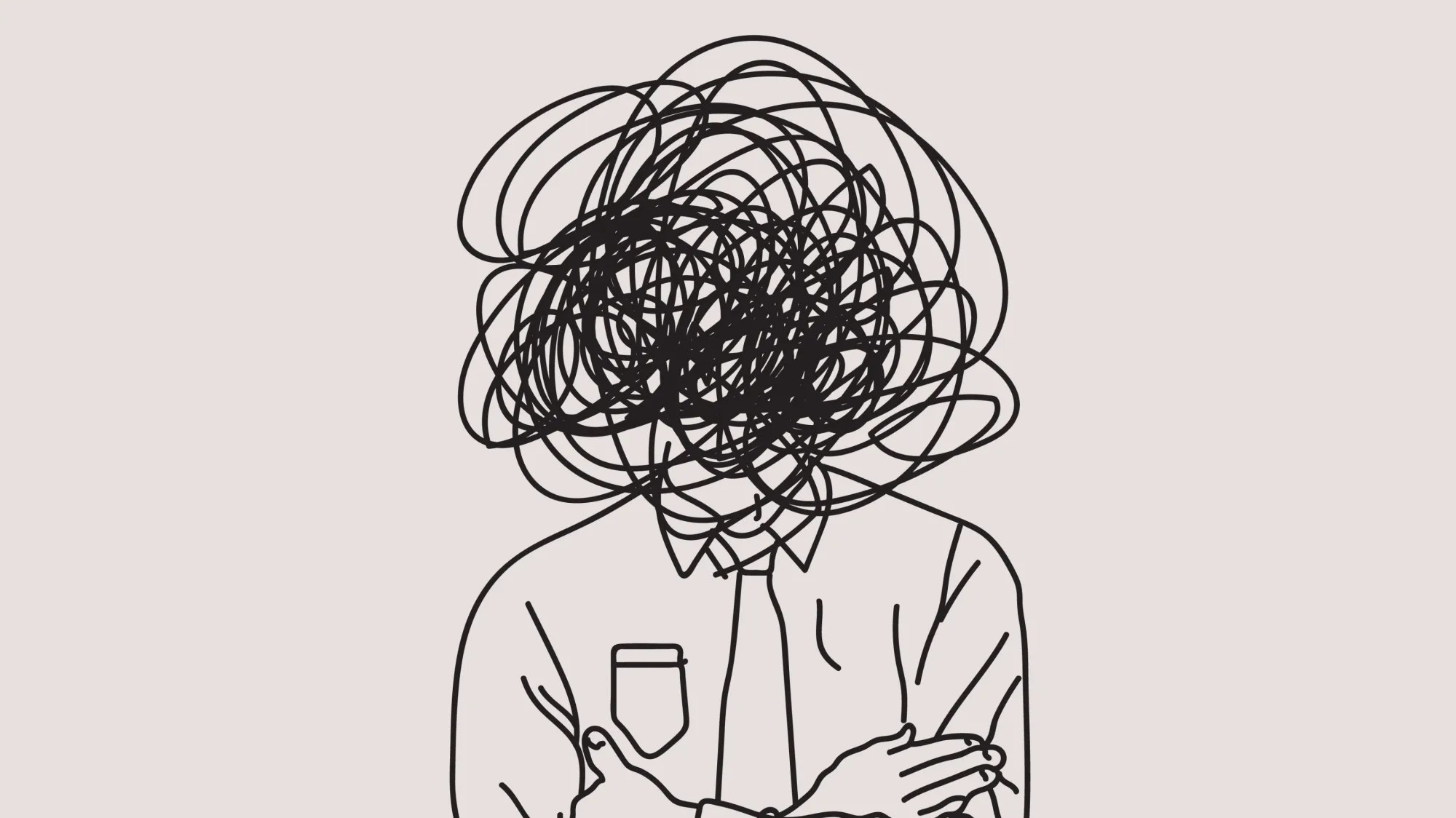
We all have issues, and for some of us, it’s a huge task sometimes to keep going, to keep faith, joy, hope and love alive, especially when so many think that might makes right. The world can’t long survive in an atmosphere of everyone-for-themselves; we need to be able to count on others to make this whole thing work. Basic human decency must exist. Everyone has a part to play, and bullying into silence those who don’t think as some do endangers the whole (diversity of thought must be protected to prevent tyranny of the majority). This is why applying consequences to actions is important in a civilized society.
Imagine that! No punishment for harmful actions leads to more such actions. Whoda thunk?
Oh, wait, I think I learned something like that in church …
Mental health is something we should all value much more than we do. Too many think it’s fair game to shame someone for opening up about their struggles and for seeking help when that action should instead be applauded. For too long, we’ve stigmatized mental illness, so much so that we’re considered weak if we even admit that we might be having trouble.
Casting light on those who bully others who are struggling is just one tool in our arsenal, and it can be a powerful one. The more important one, though, is to lift up those who need support.
Stand up to the bullies if you can, but never forget to stand up for their targets.
 Serenity is a fuzzy belly