
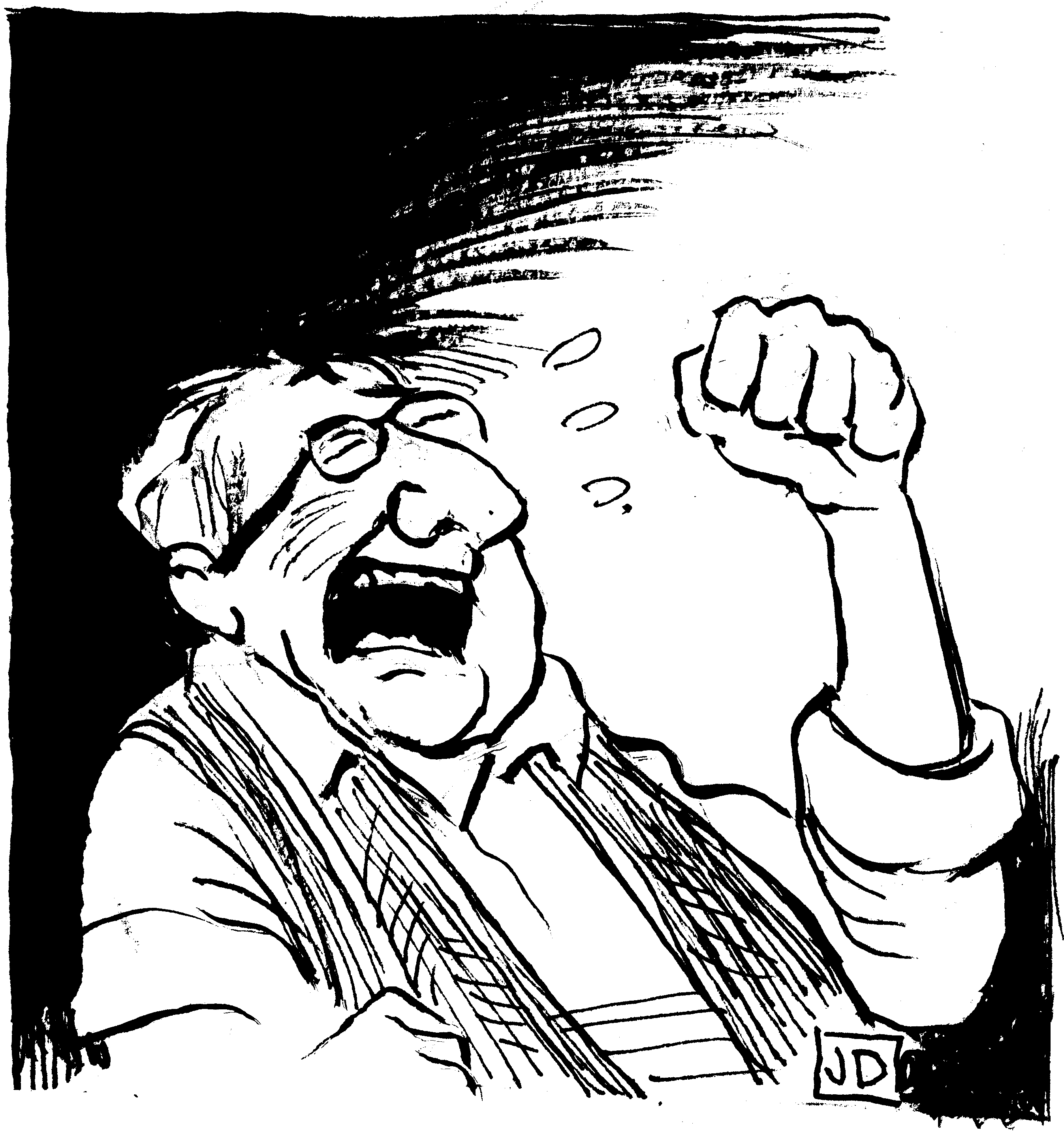
We all have them in our lives: relatives, friends, acquaintances or even strangers who are happiest when they’re making others miserable by complaining … about anything.
Everyone in my family knows who ours is; once he gets started, you can leave the room, come back half an hour later, and he’ll still be ranting. (True story from a holiday gathering years ago when someone, regrettably, mentioned the name of a politician that person despised, who he was sure was going to take away all his guns, even though the guns are his wife’s, not his, and have not been taken to this day. Several of us walked out of the room. One brother left the house and walked around for a while before returning to find that he was still foaming at the mouth.)
It’s the sort of thing that brings to mind that “Simpsons” episode that launched a thousand memes by including a newspaper clipping with a picture of Grandpa Abe and the headline “Old man yells at cloud.”

Sometimes there are legitimate complaints, but like the boy who cried wolf, no one’s going to take them seriously because of all the previous times the complainer took things out of context, didn’t understand the situation, or just felt like passing on false information.
So why do people do this? Are they bored? Lonely? Did someone take their sled away when they were a kid? (OK, yes, I rewatched “Citizen Kane” recently. While some of it seems contrived now, it still holds up.)
Part of it is most likely simple attention-seeking. Once upon a time, that would be positive attention. Now, however, in the era of grievance politics, any attention is good as far as they’re concerned, no matter how much they may annoy or even harass others.

Sometimes the person is a narcissist, and a high-conflict person to boot, who is always looking for people to blame. For what? Anything, but many are very keen on playing victim as soon as you put your foot down (how dare you tell someone he’s not allowed to treat you like trash!). You can try to set limits, correct misinformation and try to ignore them, but once an inch is given, some will continue to escalate. In many cases, you’re stuck with them with no good options.
(I imagine most working women, especially women journalists, can give you lots of examples. Too many. We have the tendency to draw out good ol’ boys who want us to know how wrong we are for disagreeing with them, even on the basic elements of reality. Many of them aren’t nice about it, either. I’m lucky to not have had any death threats, but I’ve had a few amateur doxxers, several who decided their goal in life was to get me fired, and some who think I’m just a silly little girl who has no business talking about things that I actually studied. They’ll condescend to me but change their tactics when dealing with males. They’re bullies and trolls, and don’t like being called out.)
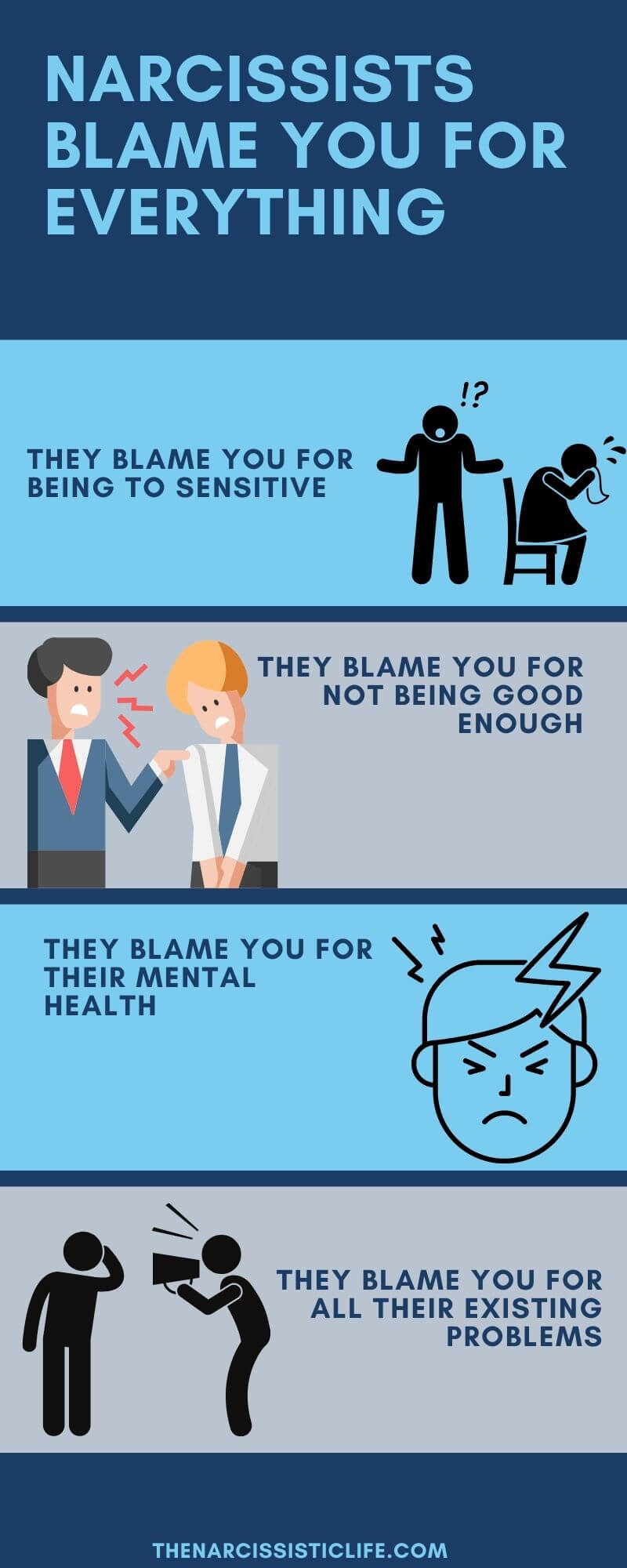
In 2011, psychologist Guy Winch wrote in Psychology Today that many chronic complainers believe their lives are full of hardships, but they aren’t really looking for advice or solutions. “Chronic complainers’ perceptions about their hardships are deeply embedded in their personality and sense of identity. Therefore, although they tell others about their problems all the time, they are not really looking for advice or solutions. Even when your advice would actually resolve a problem, chronic complainers will not be especially happy to hear it: Anything that takes away some recognition of their ‘hardship’ will be experienced as threatening to their identity and even their sense of self.”
Oh, goody.
Winch wrote, “In the majority of situations (there are some obvious exceptions), you should avoid offering advice or solutions and stick to sympathy and emotional validation.”
When that doesn’t work (it sure hasn’t so far for me), what then?
Do you give them the attention they desire? Easier said than done sometimes, as some of them don’t seem to understand you have other commitments that may take precedence. You know, like actual work.
Should you ignore them? You can try, but some are especially persistent.
Do you just keep letting these guys yell at clouds? Probably. As long as they’re mostly harmless, anyway. But remember, some of these guys do escalate to a dangerous level.
Just keep an eye out, and let me know if you have a good way to deal with them.
🤔🤔🤔🤔🤔

A note to readers: A former attorney says that I falsely claimed last week that sworn affidavits are hearsay (meaning all sworn affidavits), pointing out that he had heard of no prosecutions for anyone over their affidavits to the Trump campaign.
In context, I was referring specifically to supposedly sworn affidavits in the 60-plus election lawsuits from the Trump campaign when I said, “no, most of those ‘sworn affidavits’ weren’t filed in court, and are considered hearsay.”
“The same reasoning for why I trust the fact-checking services I use (they show their work, link to original sources, and freely disclose the sources of their funding) is why I wouldn’t trust the Cyber Ninja audit in Arizona. There are other reasons: The audit (ordered by the Republican-led state Senate, and which is being handled by a private group with ties to Trump supporters) is likely not in accordance with federal election law and sets a dangerous precedent; many of the governors and secretaries of state who certified the vote totals were Republican, and some, like Arizona Gov. Doug Ducey, bragged about their states’ handling of the election; and multiple courts have dismissed dozens of lawsuits related to the 2020 campaign, with judges criticizing the sweeping allegations of irregularities and fraud without proof (no, most of those “sworn affidavits” weren’t filed in court, and are considered hearsay).”
“Hit and myth,” May 12, 2021.

I apologize if anyone took away the wrong impression, as such affidavits are used in cases. I probably should have qualified the remark, as in “at least some are considered hearsay.” Since the majority of the affidavits in the campaign’s cases aren’t available because they haven’t been filed in court or otherwise released to the public, we only have the word of the legal team on their contents (ooh, sounds like hearsay there).
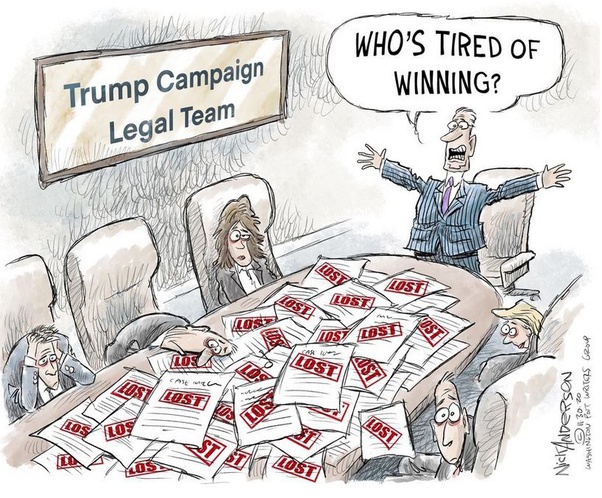
However, as The Washington Post reported in November, a judge in Michigan dismissed a complaint as “inadmissible hearsay within hearsay.” Many of the affidavits we’ve heard about in the election lawsuits, like that in the Michigan case, were people saying they heard someone else say something (the very definition of hearsay). Some of those claims heard in court were dismissed as inadmissible or not credible. Others signed affidavits claiming they believed their votes for Trump and Pence weren’t counted, but they had no actual evidence to support those claims when pressed by judges.
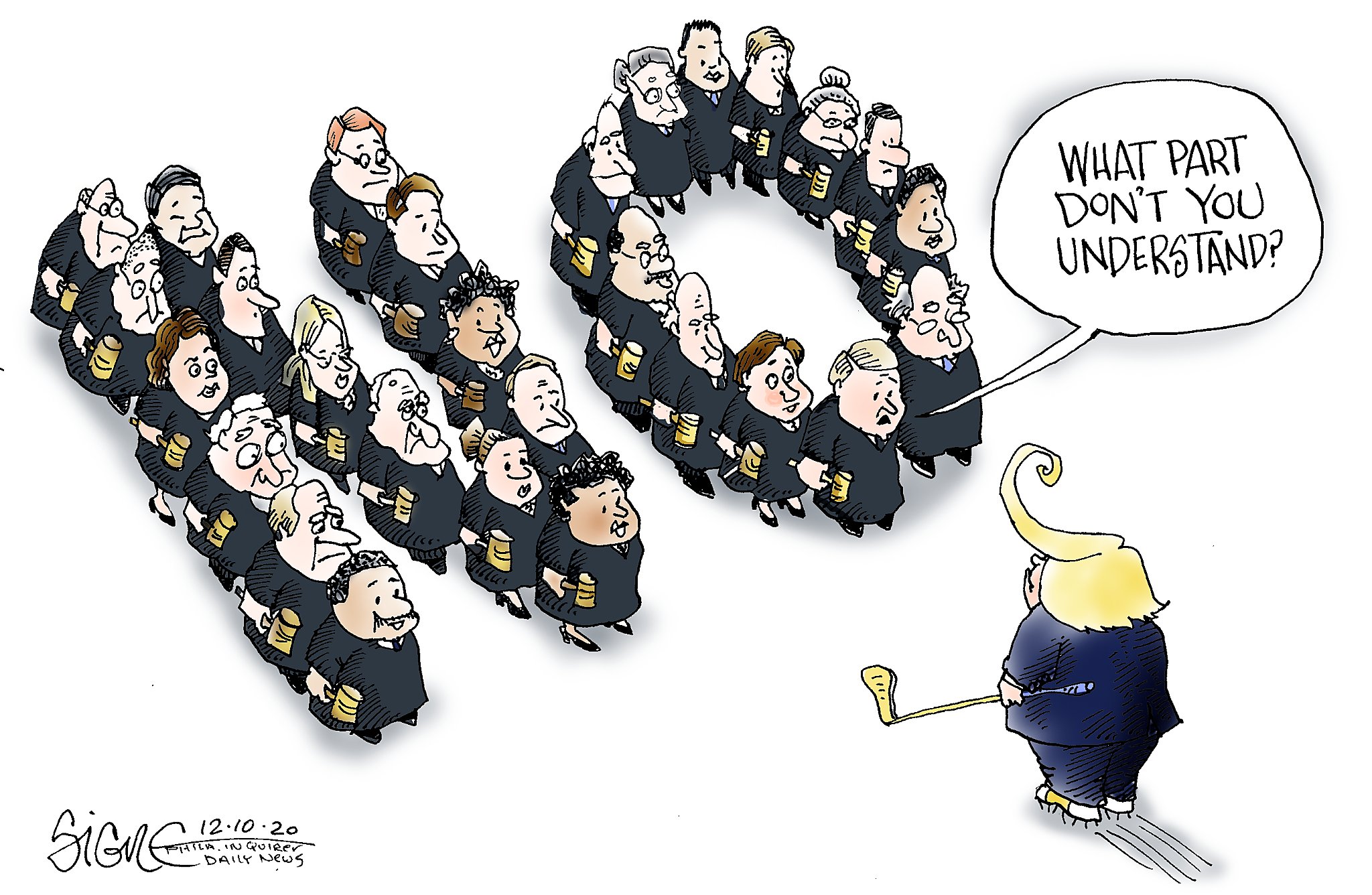
Dang those judges for expecting actual evidence in a legal case.
Byron Tau and Sara Randazzo of The Wall Street Journal (hardly a bastion of liberalism) wrote of the cases in November: “Election-law experts say many of Mr. Trump’s legal claims amount to citations of common irregularities or unintentional errors by voters or administrators rather than election fraud, or intentional efforts to subvert the election. They say that fraudulent acts do occasionally happen, but they typically affect relatively few ballots.”
While touting those affidavits claiming fraud, Tau and Randazzo reported, Trump lawyers have said in court that the lawsuits weren’t alleging fraud. Some of the affidavits from poll watchers were anecdotes of people saying they felt threatened or excluded (I’m guessing by people voting for someone other than Trump), or based on misunderstanding of poll procedures, including not only how votes are counted, but also how many observers are allowed in the room at a time. Evidence of a lack of comprehension of people unlike them and of longtime standardized procedures, sure. Evidence of fraud? Not so much. And let’s be honest: Even had Trump won, he’d claim fraud robbed him of votes, just as he did on the campaign trail and after the general election in 2016. He spent years trying to convince people that there was widespread fraud.

Sigh.
Ken Haddad at WDIV/ClickOnDetroit offered this take:
“By definition, an affidavit is ‘a sworn statement in writing made under oath or on affirmation before a person authorized to do so under the law.’ But as Detroit attorney David Ayyash says–that doesn’t mean they are accurate.
“’In a lawsuit, if a witness offers sworn testimony, that is considered evidence. But the finder of fact, usually a jury–but sometimes a judge–determines the credibility of that evidence,’ Ayyash said. ‘So technically–yes–an affidavit is a form of evidence, but that doesn’t mean it’s credible.’
“Ayyash says a judge or jury may decide based on any corroborating evidence or the credibility of the witnesses. If there is none, which has been the case in Trump election lawsuits, the ‘finder of fact’ could rule that there’s insufficient evidence to prove the plaintiffs’ claims.
“The judge presiding over the case will also determine the admissibility of an affidavit. One reason an affidavit may be inadmissible is due to the inclusion of hearsay. Many of the affiants in Trump lawsuits submitted affidavits alleging they heard someone say there was fraud, but didn’t have a first-hand account. In most cases, with some exceptions of course, hearsay is not admissible in court.”
“Evidence? Hearsay? Voter fraud claims in affidavits, explained,” Dec. 4, 2020, ClickOnDetroit.

As for those prosecutions and/or harsh penalties for lying in an affidavit, Aaron Blake of The Post wrote: “As the Trump campaign will remind you, these are sworn statements. But according to legal experts, the jeopardy faced by those behind them is relatively minimal.
“‘There is a remote chance that sworn statements (if they are actually sworn statements—most documents that appear to be sworn don’t count within the meaning of the statute) could subject the declarant to some exposure under the perjury statutes,’ said Lisa Kern Griffin, an expert on evidence at Duke University, in an email. ‘But perjury prosecutions are rare and almost never arise from statements outside of the context of proceedings in which oaths are formally administered—such as depositions, congressional testimony, grand jury proceedings, or trial testimony.’”
So if there’s little chance of prosecution … hmmm …
Gosh, that sort of sheds a different light on it, doesn’t it?
 Serenity is a fuzzy belly