
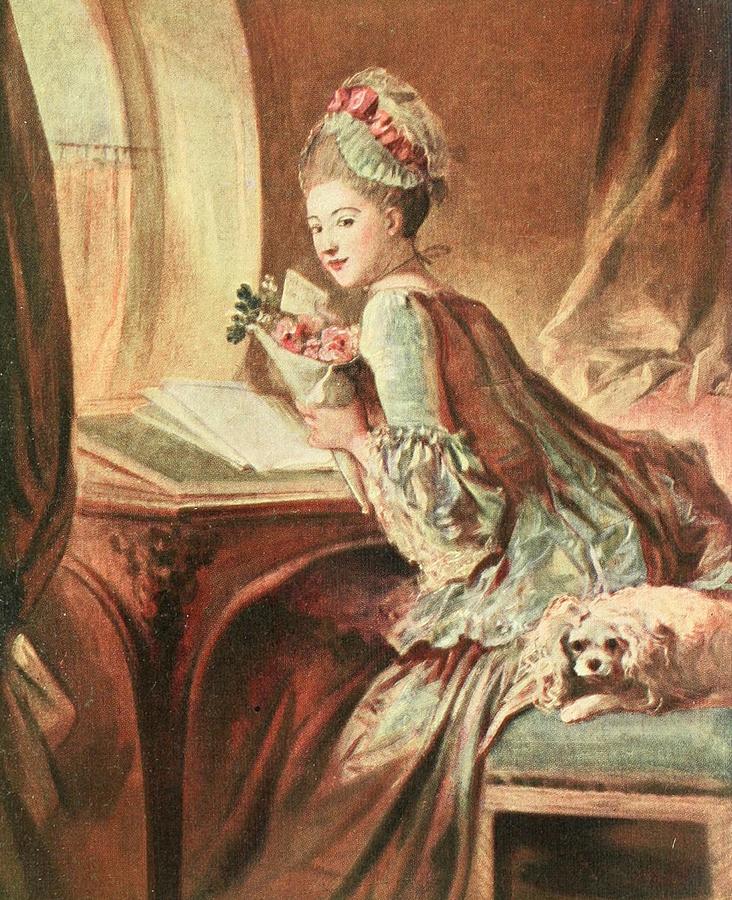
While others are sending flowers and candy and words of love to their sweethearts today, I share my billet-doux with the world of words.
I have many people I love in my life who I consider my family, whether chosen or by blood, and they know how much I love them. And of course, there are all the critters I love, from Ollie and Charlie to Boo the Warehouse Cat to Kevin the Squirrel and so many more. Beyond that, I have a whole community of fellow word nerds who frequently send me wordplay and often-bygone terms that they think might strike my fancy … and they’re usually right. So if you’re a logophile or you love one and are often confounded by their affinity for archaic terms and sometimes painful puns, this column is for you.
To borrow a phrase from poet Elizabeth Barrett Browning, how do we love words? Words are poetry in and of themselves. They may be onomatopoeic (like bang or boom), or be fun to say (tump, persnickety, flibbertigibbet), or just be workaday words, but they convey meaning that is generally understood (at least until people started redefining at will to speed along the natural evolution of those words that were politically troublesome for them, but that’s another column or 30; see “insurrection” last week). It’s that understood meaning that makes communication possible.
For some of us, it’s much easier to communicate in writing because sometimes our brains don’t behave as they should when speaking off the cuff. I can’t ad-lib or make small talk in person to save my life because that’s not how my brain is wired, and I usually need to at least have notes to guide me or I stammer. You should have seen me try to teach a class the semester I had to do that, or do the weather on ASU-TV. (My landlords at the time always watched me when I was on, and I was usually either on the anchor desk or producing. They always complimented me when they saw me. Except one time I went in to pay rent happened to be after I had had to do a couple of weather segments. Fran looked at me and just said, “You don’t like doing the weather, do you?”)
There is one exception, though, in that I can do improv acting (though I haven’t done it in years), but that’s because I’m being a character, not myself, when acting. The real me is awkward, introverted, unable to read social cues well, and more than a little weird at times. I probably could have easily been a character in “Big Bang Theory” … if it had been based on words and research in general … and took place mostly online.
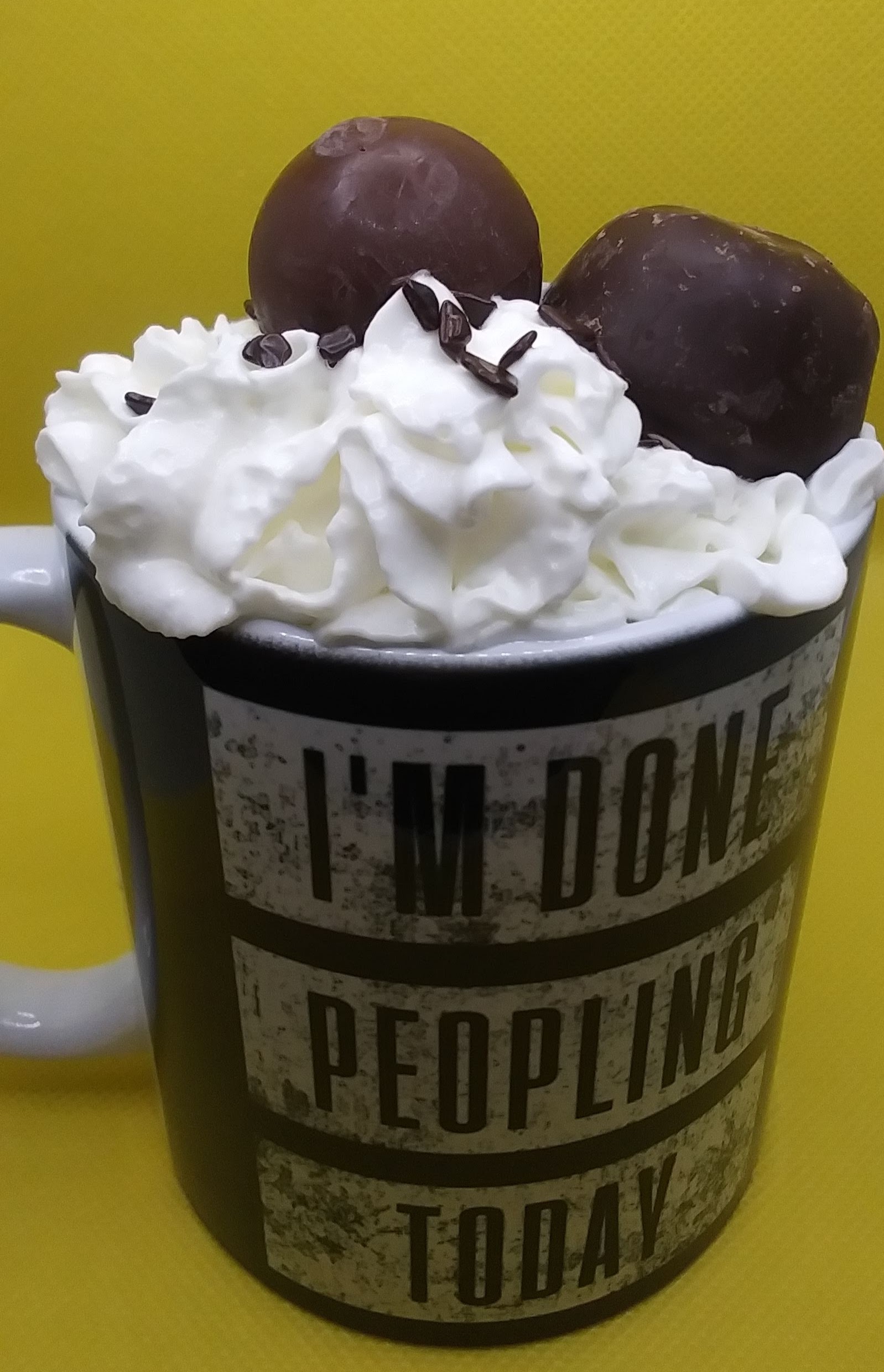
Expecting me to socialize is expecting a lot. Peopling is hard, y’all.
But words … oh, words … they never fail to make me happy. When there are such words as “slangwhanger” (sounds a little dirty but isn’t), meaning “one who verbally attacks others; usually politicians, newspaper columnists, or on-air personalities,” how can a word nerd help but smile? (And thank you, Grandiloquent Words, for your example sentence: “He’s been a slangwhanger for so long that he’s forgotten how to have a normal conversation anymore; he literally can’t help himself.” It reminds me of entirely too many people online, especially those who sling insults all the time, but take great umbrage at being correctly labeled as trolls. Wonder if they’d take “slangwhanger” better …)
So many of the words I love most are gelogenic (another Grandiloquent Word): “Productive or provocative of laughter; funny; humorous. Tending to produce laughter. From Greek ‘gelos’ (laughter) + ‘-genic’ (producing).” If you’d grown up with my grandparents, you probably would feel the same, as they constantly used words like persnickety, tump and other words that elicited giggles (not to mention the seven syllables the Texas-born grandma could put in a certain one-syllable cuss word; grandpa was a former sailor who didn’t really cuss, but Nanny cussed like a sailor sometimes).
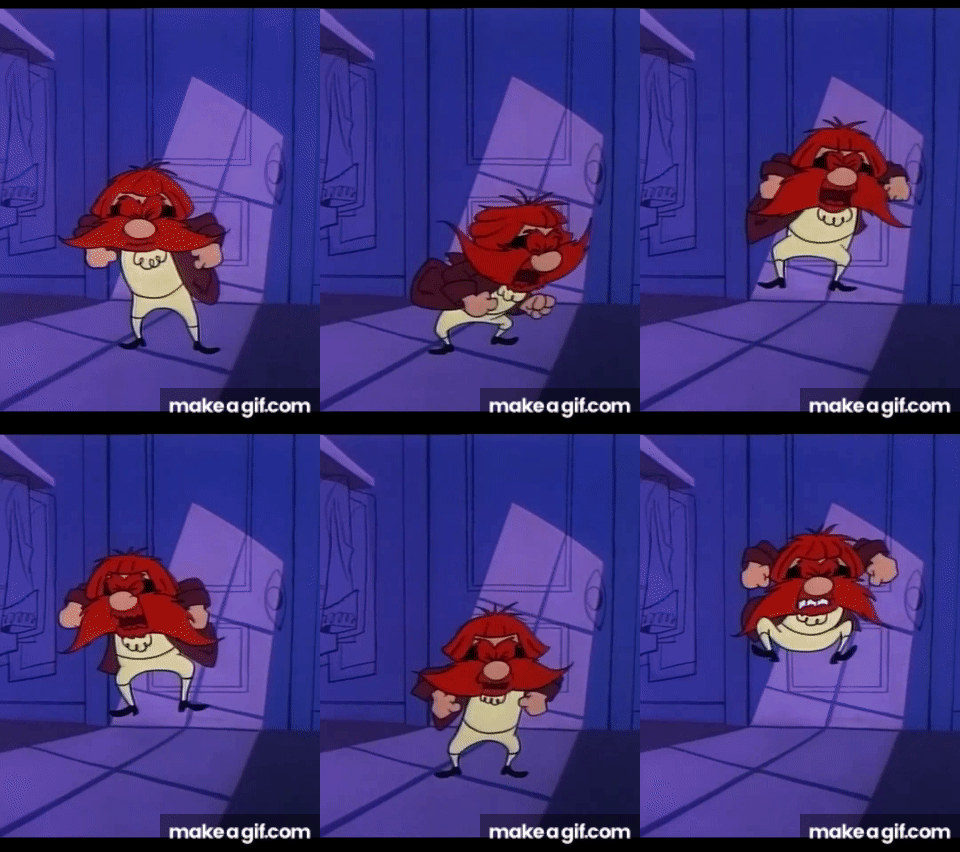
I find it hard to stay angry when I’m using words like flapdoodle (nonsense, or someone fooled by nonsense), kerfuffle (commotion or fuss), mooncalf (foolish person), cockalarum (little man with a big attitude) and crapulous (to feel ill from overindulgence; I’ve yet to feel crapulous after chocolate, though). “Fandangle” might be something useless and purely ornamental, but it’s fun to say, as is flummox (bewilder or perplex), skedaddle (run away), varmint (an animal of a noxious or objectionable kind, or a troublesome person) and tarnation (damnation). What better way to make yourself laugh than to sound like Yosemite Sam at the beginning of a tear (before he got to “ratsa-frassin’”)?
(I admit, I got awfully close to ratsa-frassin’ while writing this column. Technology is great, but when it malfunctions, it brings out my inner Yosemite Sam. Having a computer on which you do everything on its last legs is not fun.)
Other words may not make me laugh, but they certainly make me happy, like petrichor (that smell when it’s just about to rain after a dry spell, though we haven’t had a dry spell lately; but hey, the sun came out Tuesday!), apothecary (person who prepares or sells medicine), blackguard (scoundrel), desiderata (things that are required or needed), elflock (hair matted as if by elves; i.e., my hair after a restless night), and of course, grandiloquent (pompous or extravagant in language, style or manner). They all put me in mind of William Shakespeare, who will always have a special place in my heart for his creative insults and way with words.
Plus, calling my IBS collywobbles or my tendency to stay in bed as long as possible on Saturdays just a bit of a hurkle-durkle makes me happy. Is that really so bad?
Why do some people feel the need to pooh-pooh the joy of others when they’re hurting no one? Are they so miserable they can’t stand to see anyone have even a tiny moment of joy?
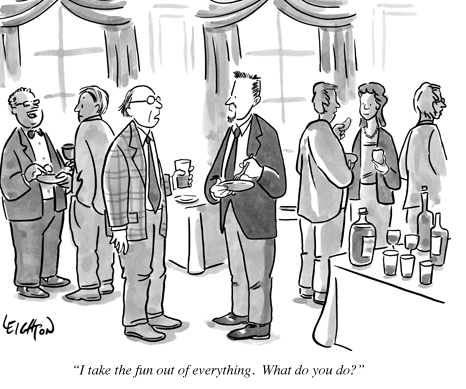
I thought about this when talking to a photographer friend on Threads Sunday. who mused, “I am 100 percent that annoying person who squeals and goes, ‘bird, bird, bird! Did you see that bird!?! BIRD!’ while with other people. I apologize to anyone in the vicinity.” I told her that earlier in the day I’d been sitting in the car in the pharmacy drive-through lane yelling “Puppy!!!!” every time the dachshund in the car in front of me poked his head out the window.
And why not? If it gives you joy to act goofy sometimes, act goofy. As I told my friend, “Little bursts of joy should be enjoyed because you never know when you won’t be able to find them. My mom always told me to find the funny, and I do, but I look for the joy too.”
And words? Pure joy. Plus, you can pretty much count on words not to chew up anything and everything you hold dear.
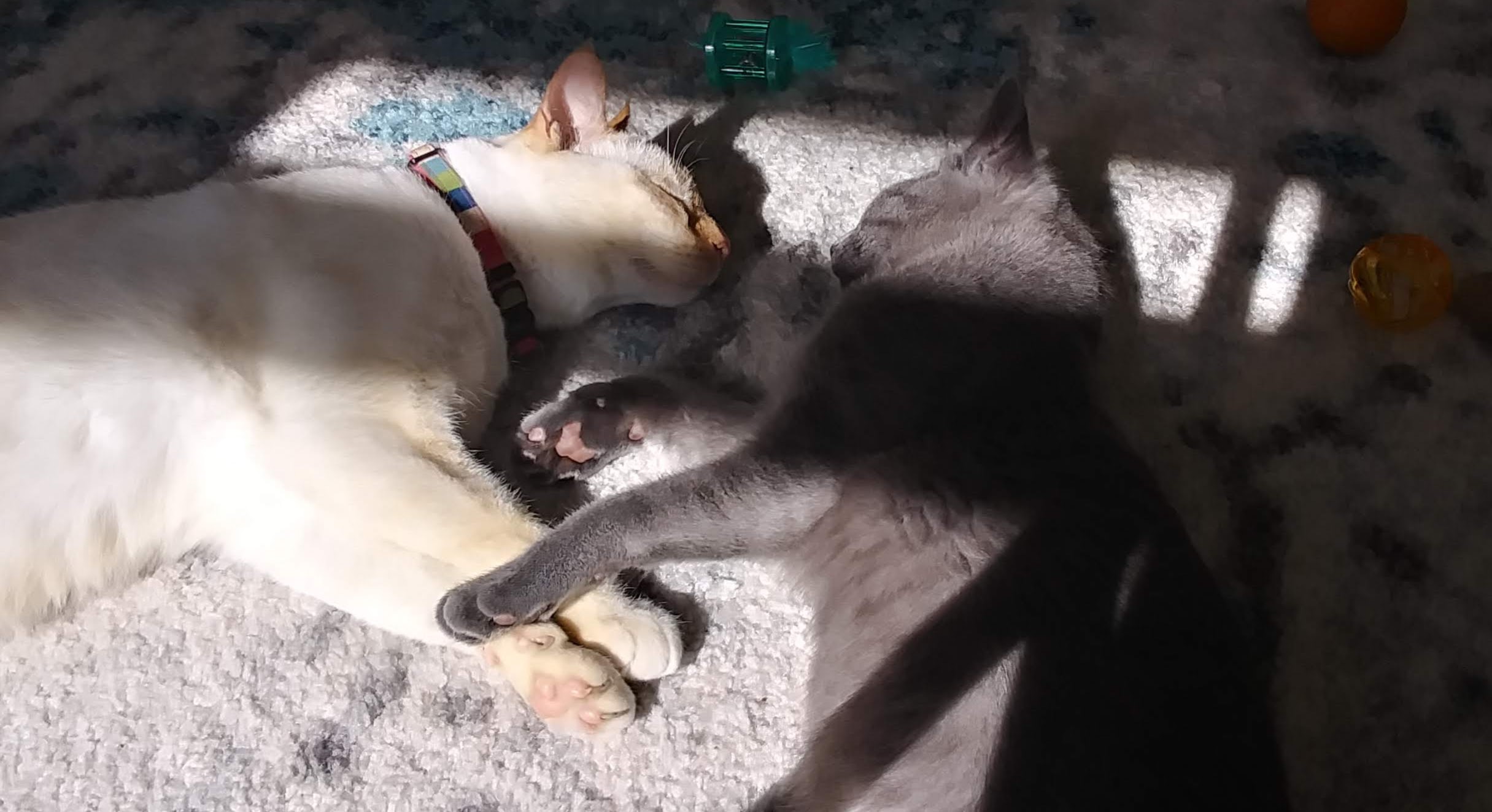
 Serenity is a fuzzy belly