

Books have always been an important part of my life. I learned to read before starting school (in the first class of kindergarteners at our district) because I wanted to do what my three older brothers were doing. We didn’t have a lot of money, so Mama found books where she could, at yard sales, giveaways and even the dump (I’ve never understood people who throw away perfectly good books).
She was determined that her babies would be able to read what they could handle (which would mean for me both the Disney and Grimm versions of fairy tales when she could manage it; I tend to prefer Grimm; plus, she got me started early on Alfred Hitchcock mystery anthologies and Stephen King).
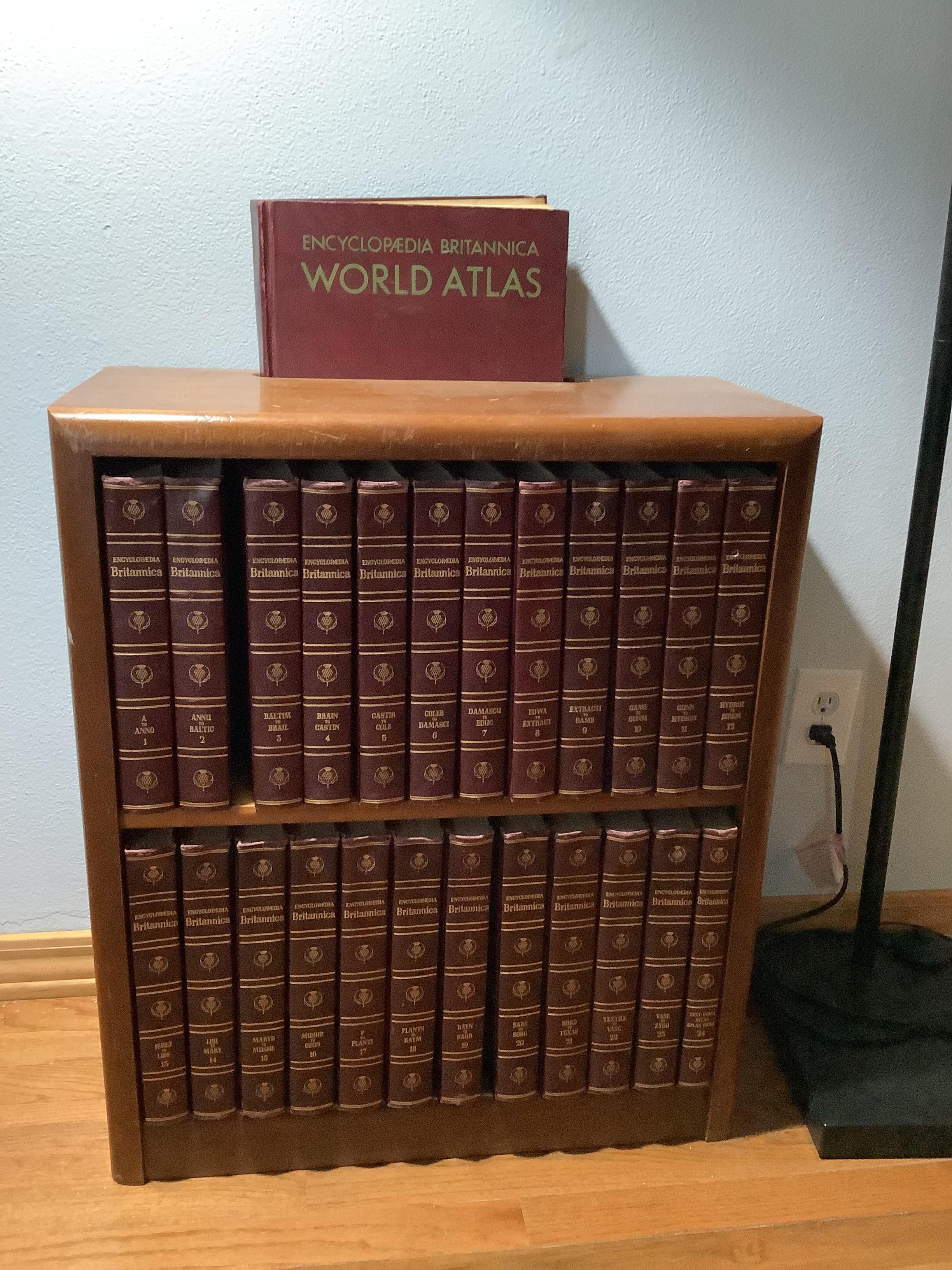
Once I went to school and she went to work at a nursing home in Greenwood, money was a little less tight, but she still economized where she could so she could save up for an encyclopedia set. That circa 1976 Encyclopedia Britannica (and the included atlas that slipped into a groove at the back) took us all through school.
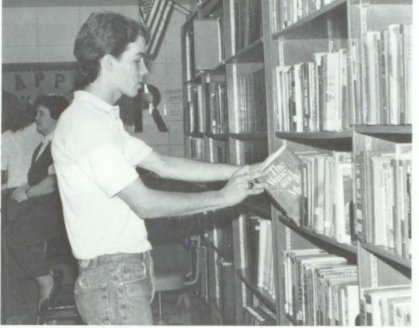
I don’t remember library visits in those early years, partially because the nearest public library was about 15 miles away. But once I started school, I had access to the school library, and I checked out as many books as I could every time I visited. That library was my happy place, and I meant to check out every book there. I don’t know how close I got to that goal (I know I checked out every Ogden Nash and Shel Silverstein book), but I do know I read a lot.
In summer when we weren’t camping or in Vacation Bible School, I was reading books we’d been given, the few cheap ones I was able to get from the Scholastic Book Fair or books Mama and I would pick up at the Greenwood library on her days off. Reading was an escape, especially if I went to one of my hidey holes, like underneath the trees at one corner of our property. It was quiet and secluded and perfect for reading, at least until it became too overgrown.
As I grew older, I loved libraries even more, though it annoyed me that I would sometimes have to go to different ones for what I needed; Mama had to take me to the Fort Smith library for the Russian literature I sought for book reports (I couldn’t find “One Day in the Life of Ivan Denisovich” or “The Gulag Archipelago” anywhere else; don’t ask me about them now, as it’s been too long since I read them). I began working at the school library once I started high school, and absolutely loved my time there, reading when I wasn’t doing homework, reshelving books or helping other students find what they were looking for.
If I didn’t love writing so much, I might have ended up a librarian. As it is, I have many friends who are librarians; heck, some of the first friends I made at the newspaper were the librarians. So I tend to get my back up when someone denounces libraries and librarians.
Libraries are an important part of life, especially for those who don’t have the money to buy books. (I’ll remind you: Some of our books came from the dump, so at least we benefited from people who didn’t care about books, even though they sometimes needed cleaning first.) Without libraries when I was a kid, I would have missed out on a lot, despite Mama’s dedication to making sure I always had something to read that engaged me.
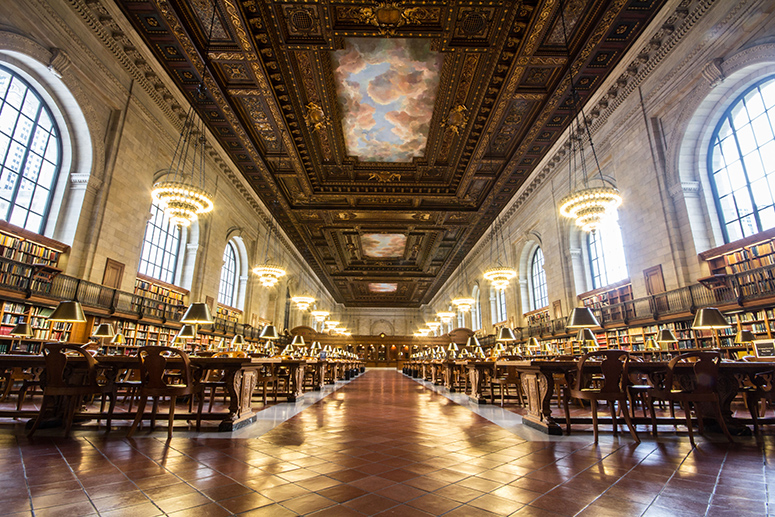
What some people seem to not get about public libraries is that they’re public. They’re not there to curate to a single audience (that’s what private libraries are for), but to the community at large, which is why there are separate sections. That doesn’t mean they have every book in the world (each library chooses books based on the community’s needs, and no, you’re not going to find actual porn in public libraries, though you might find racy content, but only in certain sections). The responsibility for what is read lies not with the library, but with the patrons (and if they’re children, with their parents). Just because a book is available does not mean you have to read it, and its availability to others thus shouldn’t be an issue.
Not everyone is going to want to read something by Aleksandr Solzhenitsyn, but that doesn’t mean that it should be completely out of circulation (though books are culled when no one checks them out for a time; still, that’s why the Internet is great since you can often find them somewhere). This isn’t the Soviet Union where dissidents like Solzhenitsyn were imprisoned for their writings. (We won’t get into how Vladimir Putin is now apparently using a blueprint from Solzhenitsyn in his war against Ukraine; I can admire Solzhenitsyn’s other work while decrying “Rebuilding Russia.”)
Here, though, we let groups with political agendas direct what is available, and sometimes let them get into positions of power (library boards, etc.) where they can run roughshod over our rights (it’s always the small-government types who want government to get involved in things like censoring books, reproductive health care, and other things that they have no business being in).
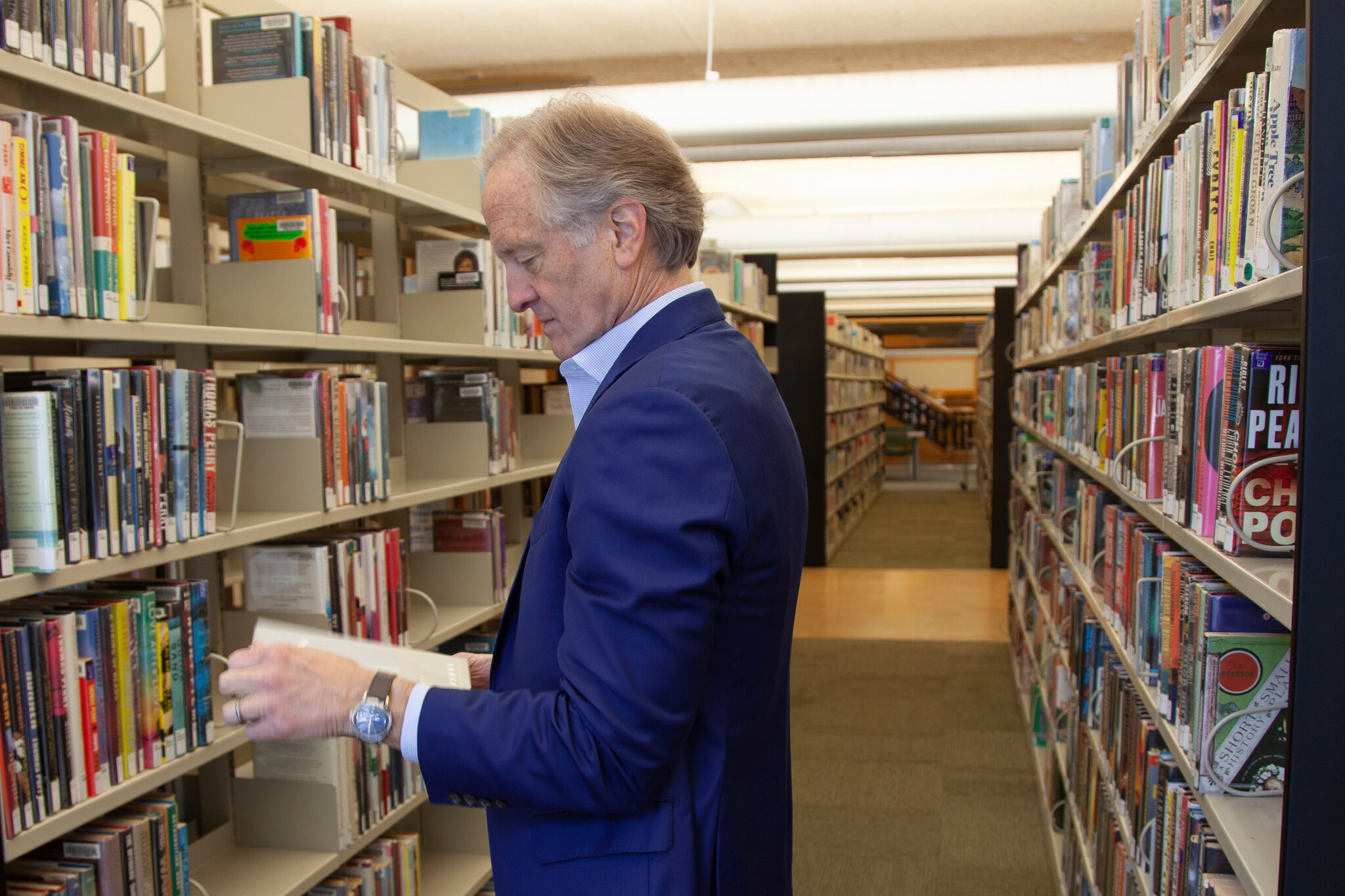
Last month the American Library Association released its report on book challenges in 2023, which documented 1,247 demands to censor 4,240 titles, the most ever. The report found, among other things, “Pressure groups in 2023 focused on public libraries in addition to targeting school libraries. The number of titles targeted for censorship at public libraries increased by 92 percent over the previous year; school libraries saw an 11 percent increase. Groups and individuals demanding the censorship of multiple titles, often dozens or hundreds at a time, drove this surge.” Forty-seven percent of the titles challenged were books by and/or about LGBTQIA+ individuals and people of color. Nearly all of the top 10 most challenged books fell under those categories, and the top five were all LGBTQIA+.
Shocking (not), I know.
Deborah Caldwell-Stone, director of ALA’s Office for Intellectual Freedom, said the reports from librarians and educators demonstrate “the organized campaigns to ban books aren’t over, and that we must all stand together to preserve our right to choose what we read.”
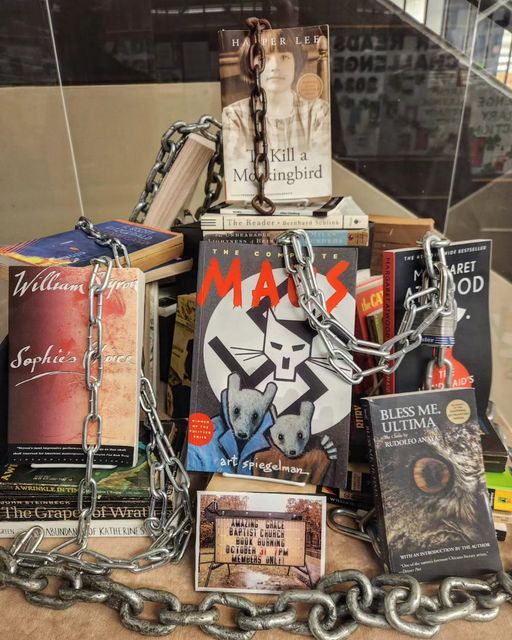
“Every challenge to a library book is an attack on our freedom to read,” said ALA President Emily Drabinski. “The books being targeted again focus on LGBTQ+ and people of color. Our communities and our country are stronger because of diversity. Libraries that reflect their communities’ diversity promote learning and empathy that some people want to hide or eliminate. Libraries are vital institutions to each and every community in this country, and library professionals, who have dedicated their lives to protecting our right to read, are facing threats to their employment and well-being.”
Children’s author Meg Medina, the target of some challenges herself and this year’s honorary chair of National Library Week (April 7-13), summed up the importance of libraries: “Libraries connect our communities and enrich our lives in ways we may not realize, and one of my greatest pleasures is discovering the unexpected and beautiful things libraries offer. From book groups to lending sports equipment to providing a safe after-school hangout space and so much more, libraries support us wherever we find ourselves on the roadmap through life’s journey.”
In this National Library Week, let’s stand up for libraries and librarians. Patronize libraries in person or online (the Libby app is great for introverts like me, though I early vote at my library, and sometimes go there for things like eclipse glasses). If you don’t approve of certain books, you don’t have to read them or let your child read them, but you don’t get to forbid others from reading them.
Live and let live, and let readers read.
 Serenity is a fuzzy belly