
Four years ago today, I got a call from my boss after I’d gotten home from work on Friday afternoon saying that we would be out of the office for a while with the majority of the country. Covid-19 had been declared a pandemic two days earlier, and states were to begin shutting down March 15, in hopes of stemming the spread over the course of two weeks.
With presumptive cases at the paper and elsewhere, I’m sure most of us initially thought we’d be back in the office full-time within the month, but it didn’t happen that way as we tried to negotiate a new normal with everyone else, trying to balance safety with what we knew about the virus, what was possible to do remotely and what was affordable. It was a good long while before people were again working in the newsroom, and at first it was only those who’d been vaccinated and were masked.
I went in for a week to train my temporary backup before I had major surgery in 2022, but for the most part have worked remotely. I’ve occasionally worked in the newsroom since, but found the new way we worked far more efficient, with the added bonus of fewer distractions (even hermits want to chat with their friends, especially if it keeps them from working) and no wasted paper (plus no purple ink all over my arms from marking paper proofs; even supposedly non-smearing inks tend to smear on me).
My hermit ways helped protect me for nearly three years into the pandemic; I was diagnosed my birthday week last year (birthday twin Sarah made the best of the bad situation). I’d gotten a little careless and sometimes forgot my mask when out in public, and that’s most likely how I got it.
My brother Corey, though, wasn’t careful at all and refused to mask or get vaccinated, so caught covid a few months before I did, and tried to treat it like a cold. His life partner Carletta, seeing he wasn’t getting better, finally called an ambulance for him. For a few days in the hospital, he began to recover, enough so that doctors were going to transfer him to rehab for his lungs. Unfortunately, in the elevator on the way to the rehab floor, he suffered a stroke as the result of a blood clot from his lungs breaking free, a complication of covid. A life-flight and a week later, Corey was dead.
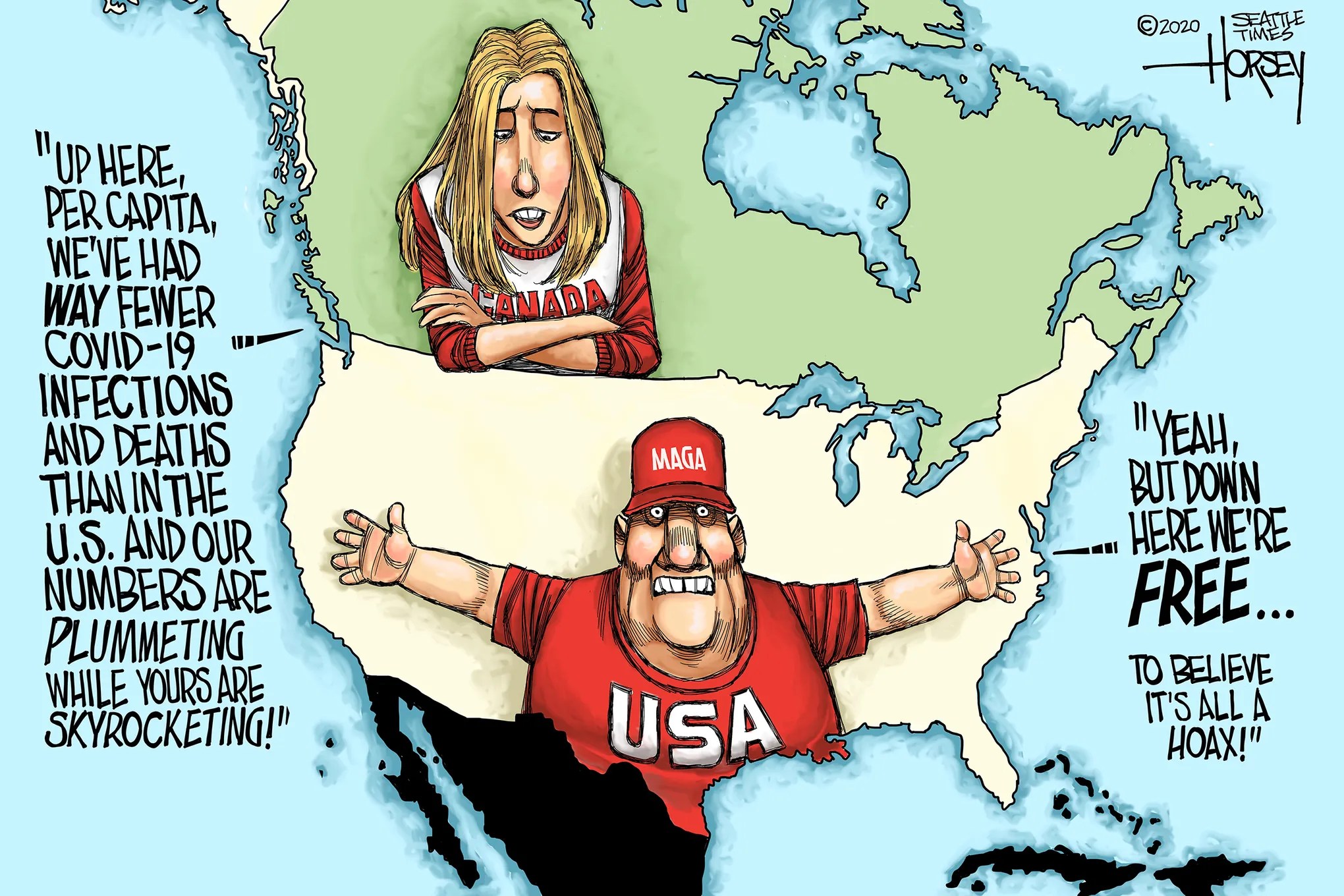
I’m far from the only one who has lost someone I dearly loved because of covid. For many of us, friends, parents, siblings and others became part of the grim statistics that had the U.S. leading the world in a way we surely didn’t want to.
As Nicholas Christakis, the author of “Apollo’s Arrow: The Profound and Enduring Impact of Coronavirus on the Way We Live,” wrote in The Wall Street Journal last week, “Over 1.2 million of our fellow Americans have died from the virus, swamping the number of deaths from opioid abuse or gun violence over the last four years. This figure represents excess deaths caused by covid compared with death tolls of prior years, so it can’t be dismissed as overcounting people who would otherwise have died.
“The disease has erased much of our progress in life expectancy in the U.S., which is now lower than it was nearly two decades ago. And the deaths continue: Covid will remain a top 10 killer for a few more years. More than 5 percent of American adults are currently experiencing long covid, too, which is not fully preventable by vaccination and for which there is currently no cure. These individuals will place continuing demands on our health-care system.”
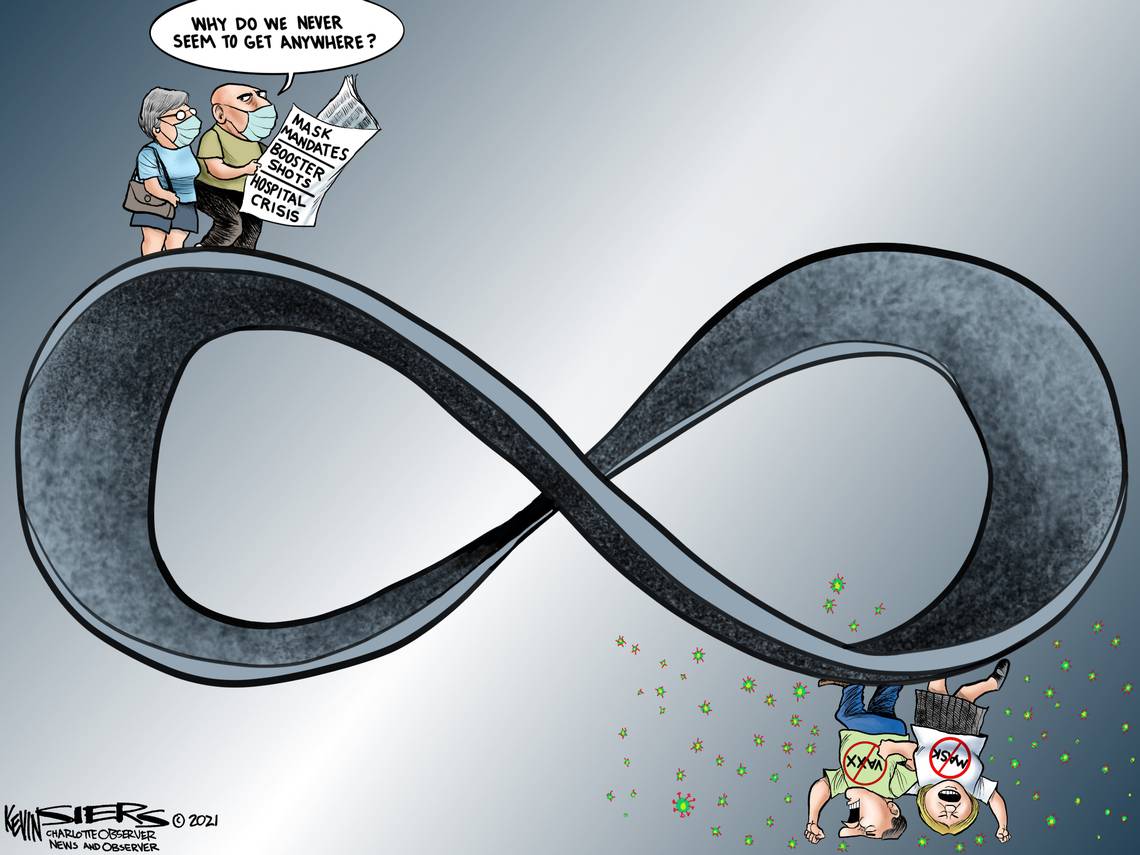
While we were lucky (Christakis called it “dumb luck” that covid-19 didn’t kill millions more Americans and that it primarily affected the old and sick) in many respects, including the fact that effective and safe vaccines were developed quickly (the process having begun as soon as the genetic sequence of the virus was released), more died than should have. It didn’t help that we had so many people, unaccustomed as they were to seeing the scientific process play out in real time, sharing misinformation and horrible hot takes every time new information changed recommendations for how to deal with a virus that was brand-new at the outset, and continually mutating as it found new bodies to infect.
Plus we still don’t know the exact origins, thanks to a lack of openness from the Chinese, which has kept the conspiracy theories churning (knowing if it was a natural zoonotic spillover or a lab leak, the two major hypotheses, could help prevent future incidents, but people with political agendas keep muddying the waters; gosh, can’t imagine why).

Christakis noted that people have been attacking with gusto activities they had to forgo during the pandemic, as usually happens following major epidemics. “Domestic air travel has been above prepandemic levels since last spring. In 2023, LiveNation sold a total of 620 million tickets to concerts and events, its biggest year ever. Data from WHOOP, a wearable fitness tracker, shows that the million users of the device have been dancing much more.
“Reckless behavior, which often accompanies people’s sense of liberation once a calamity has passed, is also increasing. Americans gambled a record $66.5 billion in 2023. Compared with 2019, there has been an 18 percent increase in fatal accidents involving alcohol and a 17 percent increase in those involving speeding. Over 500 Americans are dying every day from alcohol-related deaths, a 30% increase. Sexually transmitted diseases are rising across the nation, too.”
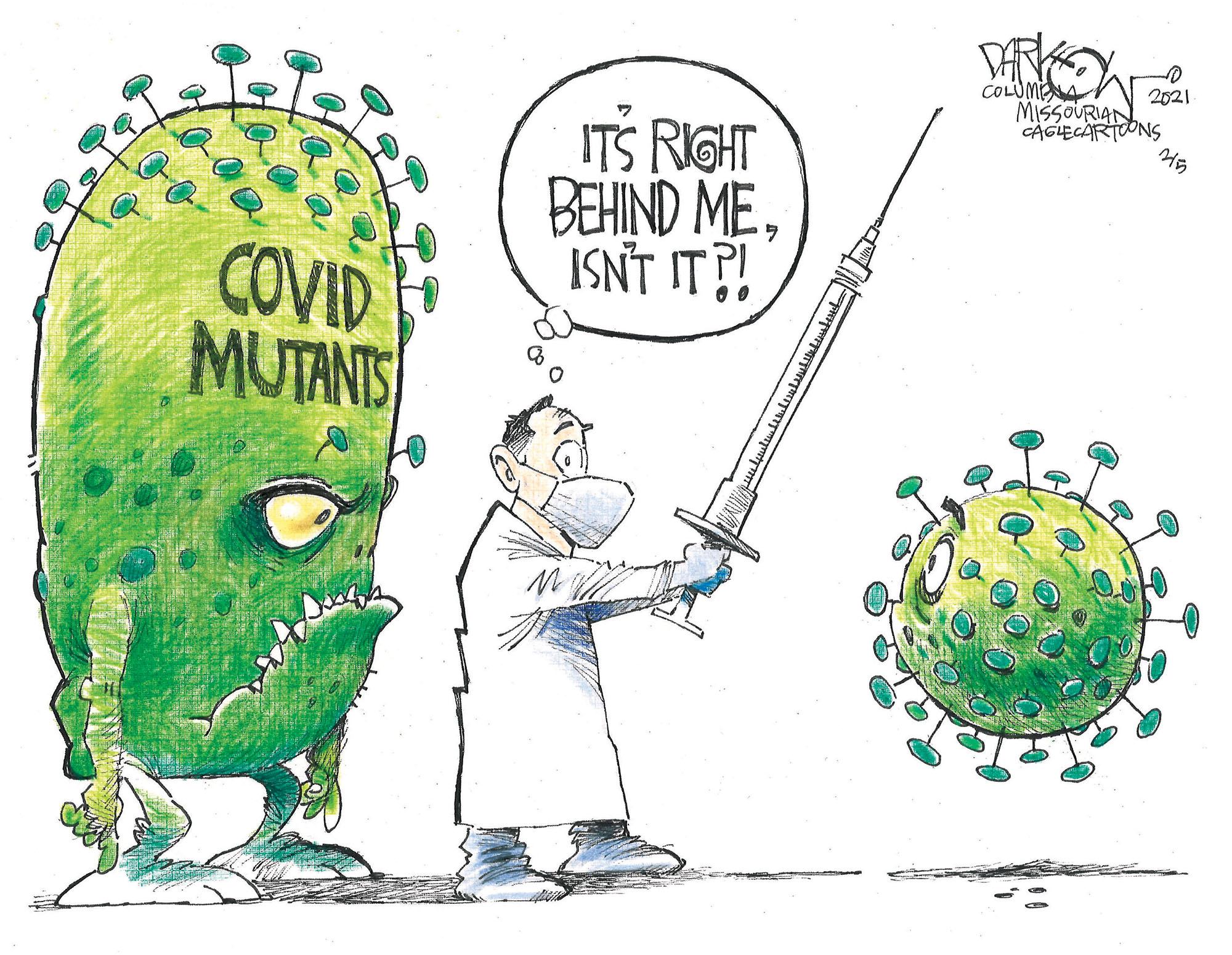
But the virus is still around, and still mutating. That doesn’t mean we have to go back into lockdown (a lot of that was badly handled, thanks to poor preparation, politics, and assorted other problems, many of which were associated with a certain former president), just that we need to be mindful of the threat that remains.
So … maybe don’t be a jerk if you see someone wearing a mask and/or keeping their distance from others. Mind your own business, and they’ll mind theirs. Certainly don’t act like a spoiled and cranky toddler when asked to do the simplest things for the greater good by public health authorities as happened all through the pandemic. Many of us who still wear masks have friends or relatives who are immunocompromised or we might be ourselves. We also might have a cold and don’t want to spread it to others. (Yeah, masks do actually work when worn consistently and correctly!)
And yeah, we’re still going to vaccinate because it’s more effective than doing nothing and hoping your immunity holds out. Covid, like flu, is now considered endemic, which means it’ll always be around, so yearly vaccinations for that will become the norm just like flu. Other diseases that were considered eliminated have been making a comeback (measles, polio) thanks to vaccine hesitance, often with no good reason (no, “natural immunity” isn’t the be-all end-all; you have to have actually contracted the disease and survived to have that, and it doesn’t last forever). No vaccination (covid, measles, flu, etc.) is going to protect you 100 percent from getting ill, but at minimum it will most likely keep you from having to be hospitalized.
Not that the doctors and nurses aren’t wonderful; I’d rather limit my need to wear a hospital gown. They’re not exactly comfortable … and they’re very breezy. That may be fine if you have a private room, but if not … eeew.
 Serenity is a fuzzy belly