

This is the time of year I always think about patriotism—I mean what it actually means, rather than what some have decided, for their own reasons, that it means.
Put in the simplest of terms, patriotism is love of one’s country and its ideals.
It is not devotion to a party or leader. As former president Teddy Roosevelt wrote in his essay “Lincoln and Free Speech” in Metropolitan Magazine’s May 1918 issue, “Patriotism means to stand by the country. It does not mean to stand by the president or any other public official save exactly to the degree in which he himself stands by the country. It is patriotic to support him in so far as he efficiently serves the country. It is unpatriotic not to oppose him to the exact extent that by inefficiency or otherwise he fails in his duty to stand by the country. In either event it is unpatriotic not to tell the truth—whether about the president or about anyone else—save in the rare cases where this would make known to the enemy information of military value which would otherwise be unknown to him.”
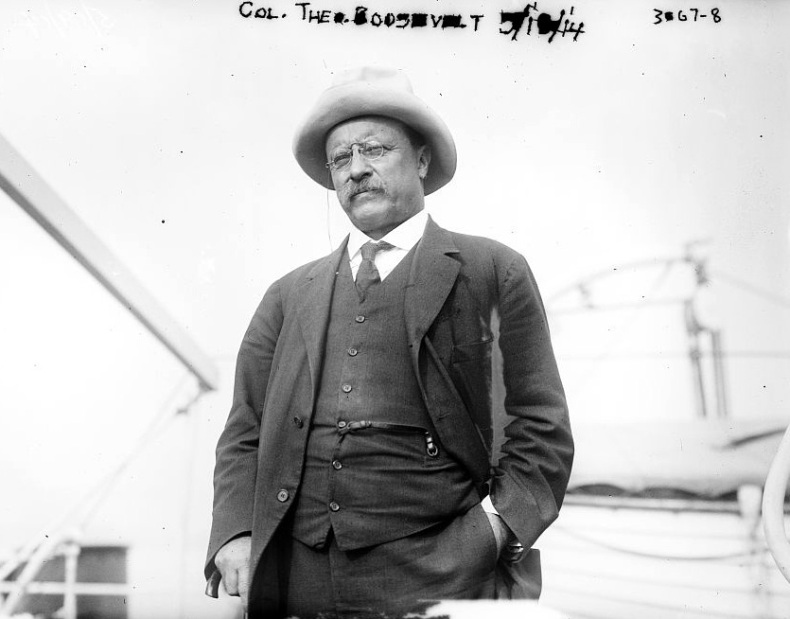
In that essay, Roosevelt took President Woodrow Wilson to task for his actions in office. He expanded on that in his book “The Great Adventure”: “The simple truth is that never in our history has any other administration during a great war played politics of the narrowest personal and partisan type as President Wilson has done; and one of the features of this effort has been the careful and studied effort to mislead and misinform the public through information sedulously and copiously furnished them by government officials. An even worse feature has been the largely successful effort to break down freedom of speech and the freedom of the press by government action. Much of this action has been taken under the guise of attacking disloyalty; but it has represented action, not against those who were disloyal to the nation, but against those who disagreed with or criticized the president for failure in the performance of duty to the nation.”
Wow … that sounds painfully familiar.
What was that Mark Twain supposedly said about history not necessarily repeating itself, but rhyming? And then there’s the quote attributed to Karl Marx, “History repeats itself, first as tragedy, second as farce.”
Yeah, that tracks. Especially when so many people refuse to learn from history (or hell, just learn history) despite warnings from people like George Santayana.
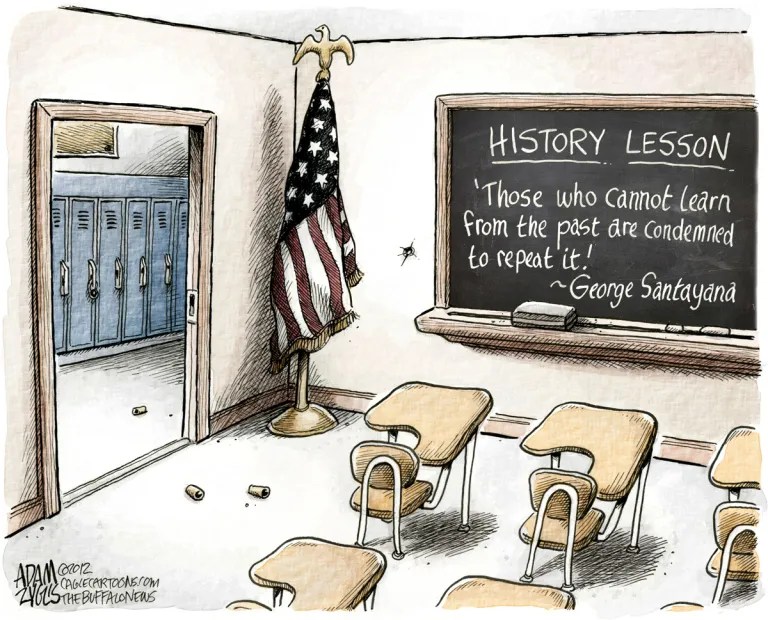
I’ve never been able to understand people who so deeply identify with a party that they can’t see anything positive in anything outside the party, or understand that the only way government can function is by compromise. The party line, no matter the party, is not sacred, and no leader is faultless, nor should they be worshiped, whether with massive parades or people festooning themselves in their name and/or likeness.
Patriotism certainly isn’t division. One brand of American isn’t better than another, and constantly creating conflict between Americans, especially for political reasons, is far from patriotic. We’ve survived as a country for so long because we pulled together when needed. There will always be differences of opinion, but those who love their country can put that aside for the greater good.
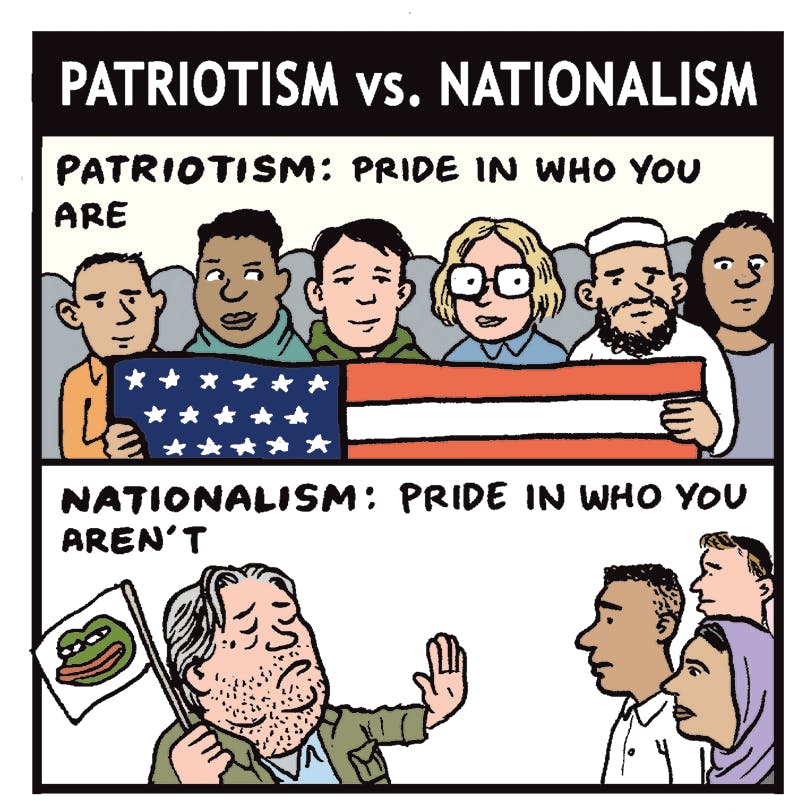
Patriotism also isn’t nationalism. Though the concepts are related, nationalism emphasizes national identity to the exclusion of any other nation (which can be problematic in a country of immigrants, which we all really are unless we’re Native Americans).
Joshua Holzer, associate professor of political science at Westminster College in Fulton, Mo., wrote on The Conversation in June 2023 that the United States “is a country of many different groups of people who have a variety of shared histories, cultures, languages and religions.” Nationalism “is a person’s strong affinity for those who share the same history, culture, language or religion. Scholars understand nationalism as exclusive, boosting one identity group over—and at times in direct opposition to—others.” (And yes, there’s more than one type of nationalism; it’s not just white supremacists out there. Holzer also differentiates between “nation” and “country” … it’s fascinating.)
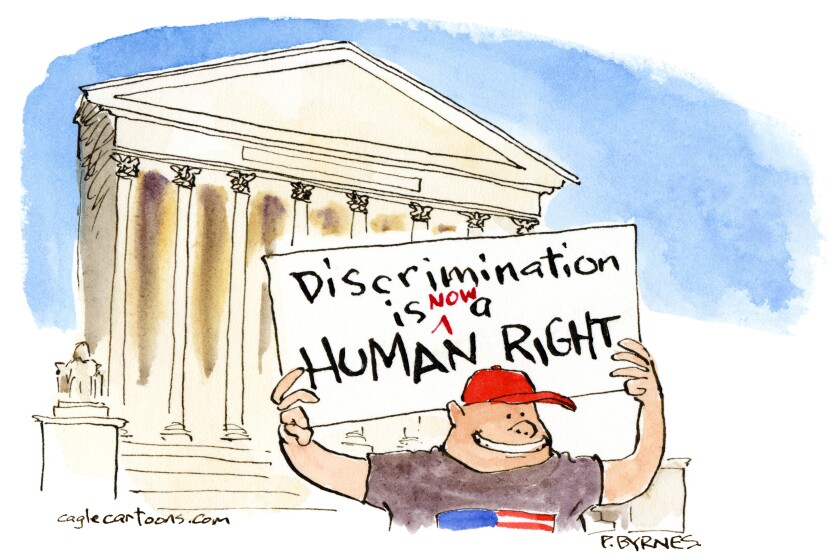
We see this too much today in resentment politics, which gains its strength from opposition to anything that might dilute what followers think the country should be about (in this particular case, white, Christian, straight, preferably male and quite possibly wealthy). The very thought of something like equality of opportunity (no matter race, gender identification, sexual identity, etc.), a level playing field (because not everyone was born on third base), true merit (meaning qualifications judged blindly), etc., can make some resort to spouting the same tired talking points as their faces redden and their blood pressure soars, because, you know, it’s not fair if someone who’s had to fight for every bit of progress (because of, as one columnist is wont to say, pigment and plumbing, though he doesn’t seem to understand that they’ve had to fight for their rights) is given the same chance as someone who’s been handed things all their life.
Someone might want to predial 911 just in case they keel over.
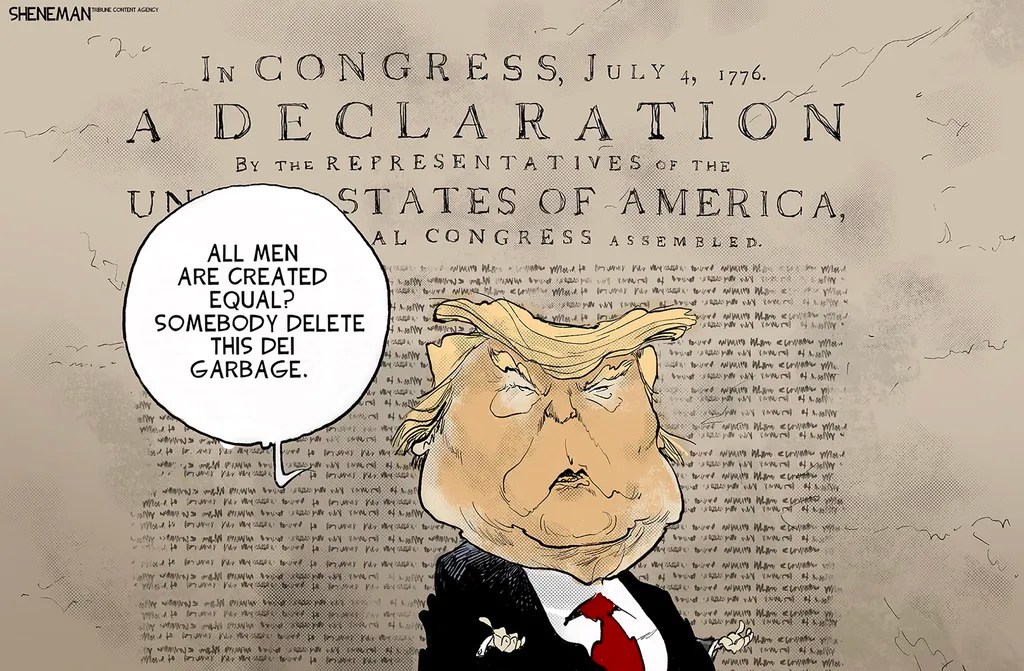
Roosevelt had a quote just perfect for those who think that diversity, equity and inclusion are evil, far-left concepts (yeah, far left is mostly anarchic, not just anything left of right, sooo … besides, far left in the U.S. is pretty tame compared to the rest of the world): “This country will not be a permanently good place for any of us to live in unless we make it a reasonably good place for all of us to live in.”
The founders, imperfect as they were, had high hopes for the United States, and they knew that they were creating a country that many would want to be a part of. That “promote the general welfare” bit in the Constitution’s preamble is essentially the point of Roosevelt’s statement; if we work only for those who think like we do, we’re not promoting the general welfare.
That’s not very patriotic now, is it?
 Serenity is a fuzzy belly