
I sometimes talk too much about trolls, but they’re a big reason I take a social-media break every week (usually just Saturday, but sometimes longer, especially if there’s a problematic holiday or anniversary). There’s only so much you can do with people whose only intent is to gin up arguments for their own amusement, especially those who are determined to spread rumors and misinformation while insulting everyone with whom they disagree in the most disgusting fashion.
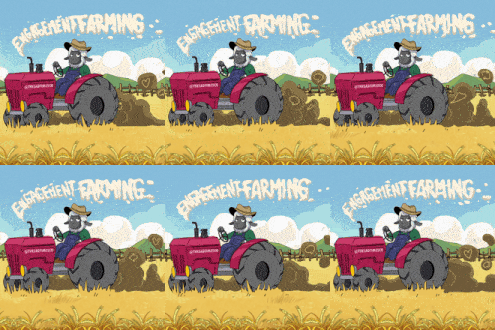
What I haven’t talked much about is related to trolls: the engagement farmer (trolls are engagement farmers, but they mostly do so with outrageous/offensive/off-topic posts meant to anger).
If you’ve spent any time on social media at all, you’ve seen at least one or two of these. It might be someone posting something along the lines of “So-and-so told my grandma her quilt was ugly and no one would want to see it. Let’s give her some likes to prove them wrong!” It’s not the rage-baiting done by the typical Internet trolls who are ubiquitous on certain forums, but posts like this can be just as harmful to online communities since they provide an artificial picture of what’s actually popular.
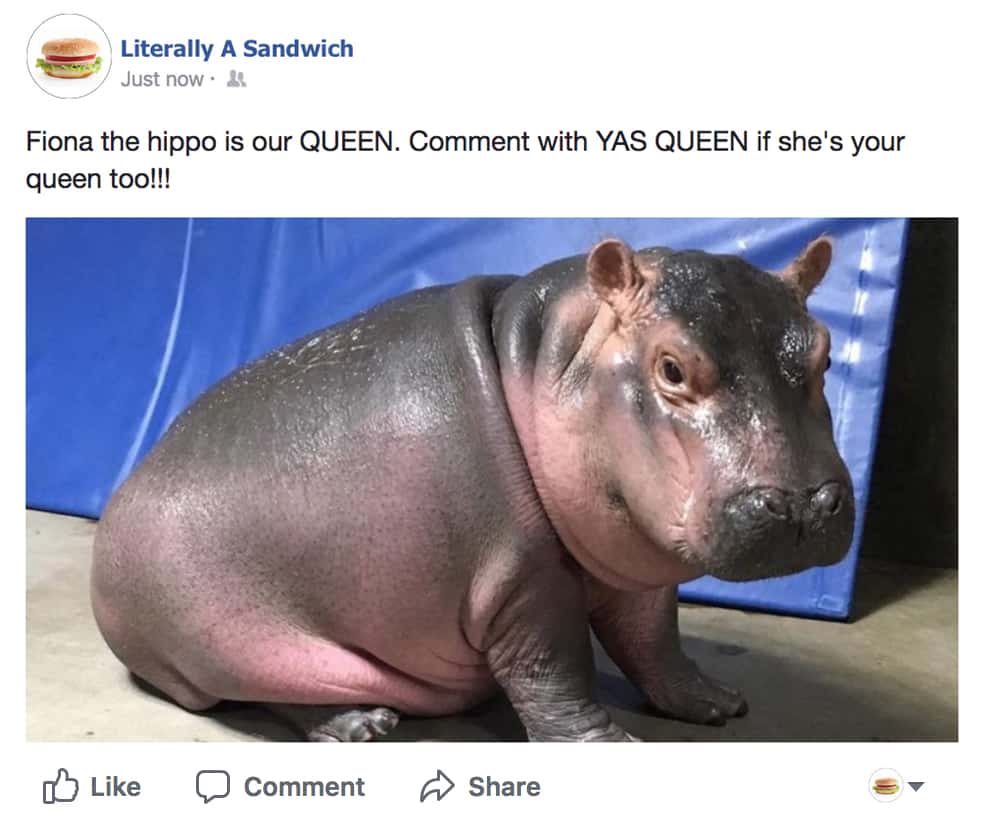
The SkinnedCarTree blog, based in the U.K., writes, “Engagement farming refers to the conscious effort made by individuals or companies to generate maximum interaction on their online content, often by using manipulative techniques to do so. … Engagement farming operates on a simple idea: the more interaction a post gets, the higher its visibility on social media platforms. This is primarily due to the algorithms employed by these platforms, which prioritise content with higher engagement. The engagement could be in the form of likes, comments, shares, or any other form of interaction facilitated by the platform. Engagement farmers capitalise on this algorithmic bias by creating content that elicits maximum interaction.”
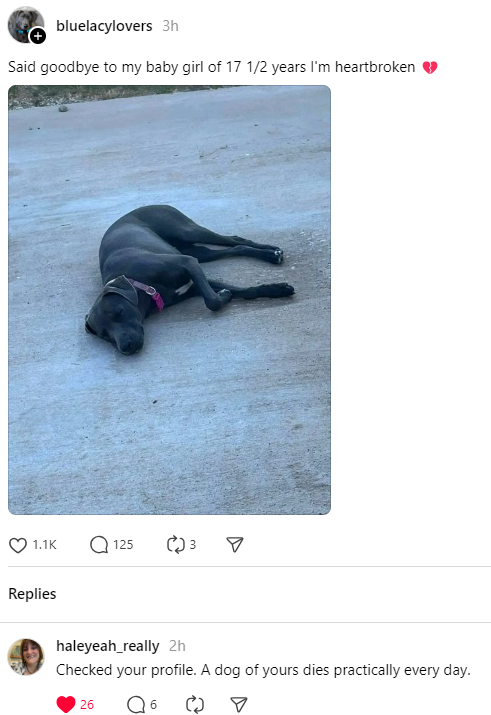
That may be ploys like grandma’s quilt ($10 that’s probably not the poster’s grandma), or one that seriously annoys animal lovers like me. When I logged in to my Threads account Sunday, I found a picture of a dog with the message “Said goodbye to my baby girl of 17 ½ years I’m heartbroken.” One of the people I follow, though, noted, “Checked your profile. A dog of yours dies practically every day.” Had I not seen that and then gone to check the profile myself (it was true), I wouldn’t have thought twice about it and probably would have tapped the little heart, which is just what the original poster wanted, to artificially inflate its numbers and increase its reach on the platform.
MMAgeezer posted on Reddit last year about Twitter/X: “The introduction of Blue Checkmark payments has transformed Twitter into a cesspool dominated by engagement farming. It’s disheartening to see that the majority of posts now spew inflammatory remarks or blatantly false information, all in a desperate bid for engagement. The platform, once a hub for genuine interaction, has become an energy-draining battleground. I’ve found myself in a never-ending cycle of muting and blocking these accounts, but each time, it feels like I’m trying to empty an ocean with a bucket—utterly futile.”
It’s far from the only platform with an engagement farmer problem (Elon Musk announced last month an effort to rid the platform of those posts, but considering that he’s incentivized it through the revenue-sharing program, I’m doubtful). I’m only on Twitter/X when I need to fact-check something referencing tweets, which is the only reason my account is still open, but I am active (such as it is) elsewhere.

Click-bait shows up just about anywhere you can go on the Internet, sometimes in the form of little ads with outrageous text (“Gordon Ramsay accused of ‘ruining Christmas’ after ‘cooking Rudolf’ in new recipe”), but it can also be viral posts that have been reposted by someone who wants to build up followers, especially if they get paid to post (one more reason I don’t like “influencers,” people who have sway over certain demographics and can use that sway to promote consumer products).
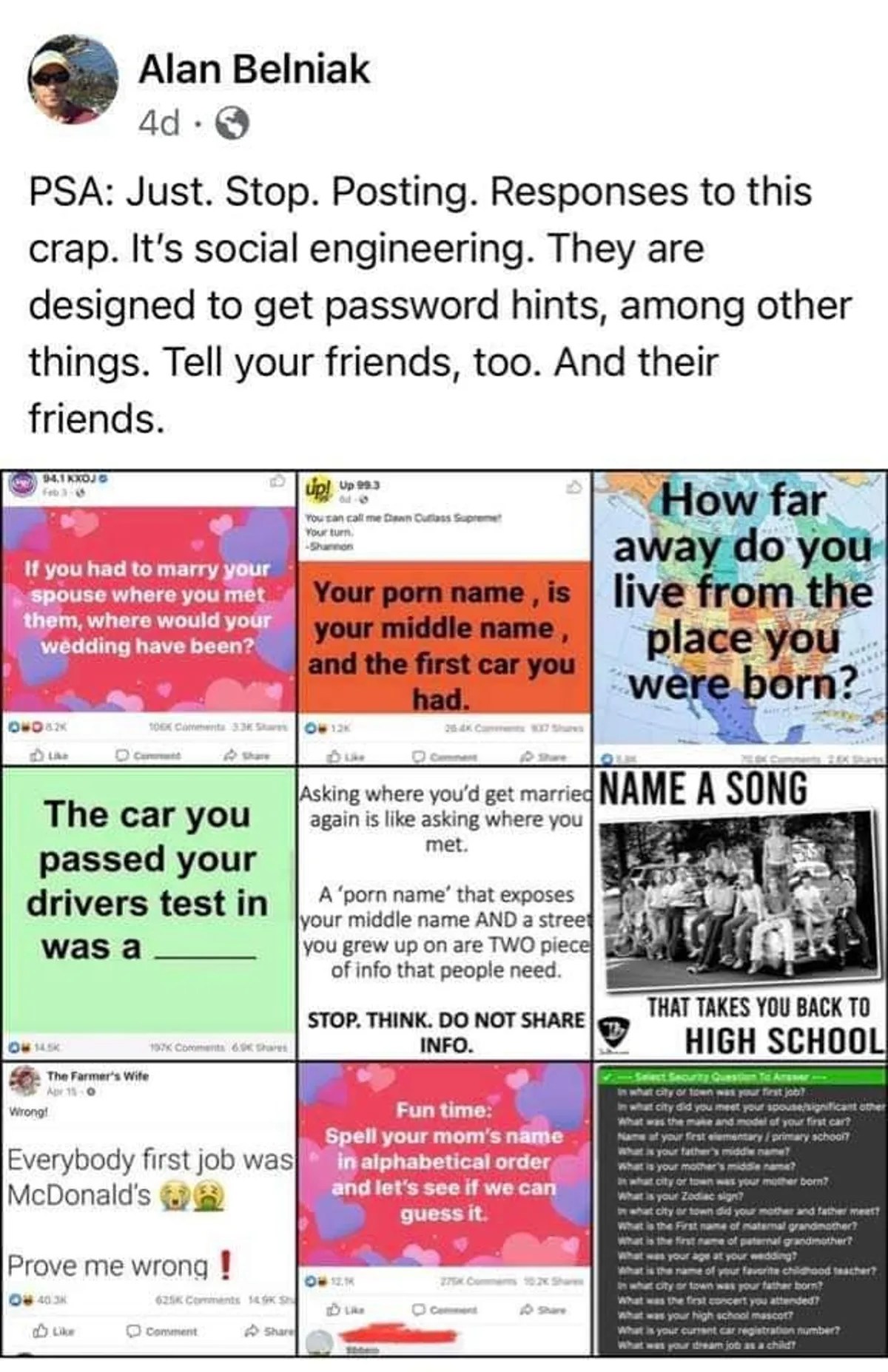
There’s also a very real danger in some of those posts, as interacting with them might reveal bits of information that can be used to steal your identity, or scam posts about missing children, adults or pets that turn into an ad for something else when you repost them, giving the impression that you endorse what’s in the ad. (And seriously: Don’t click on a link you’re not sure of, as it could be a phishing attempt. That Amazon email telling you and nine other people that your account has been temporarily frozen and including a link to sign in is a phishing attempt; forward it to Amazon and delete it.)
No, there’s just not enough to worry about, is there?
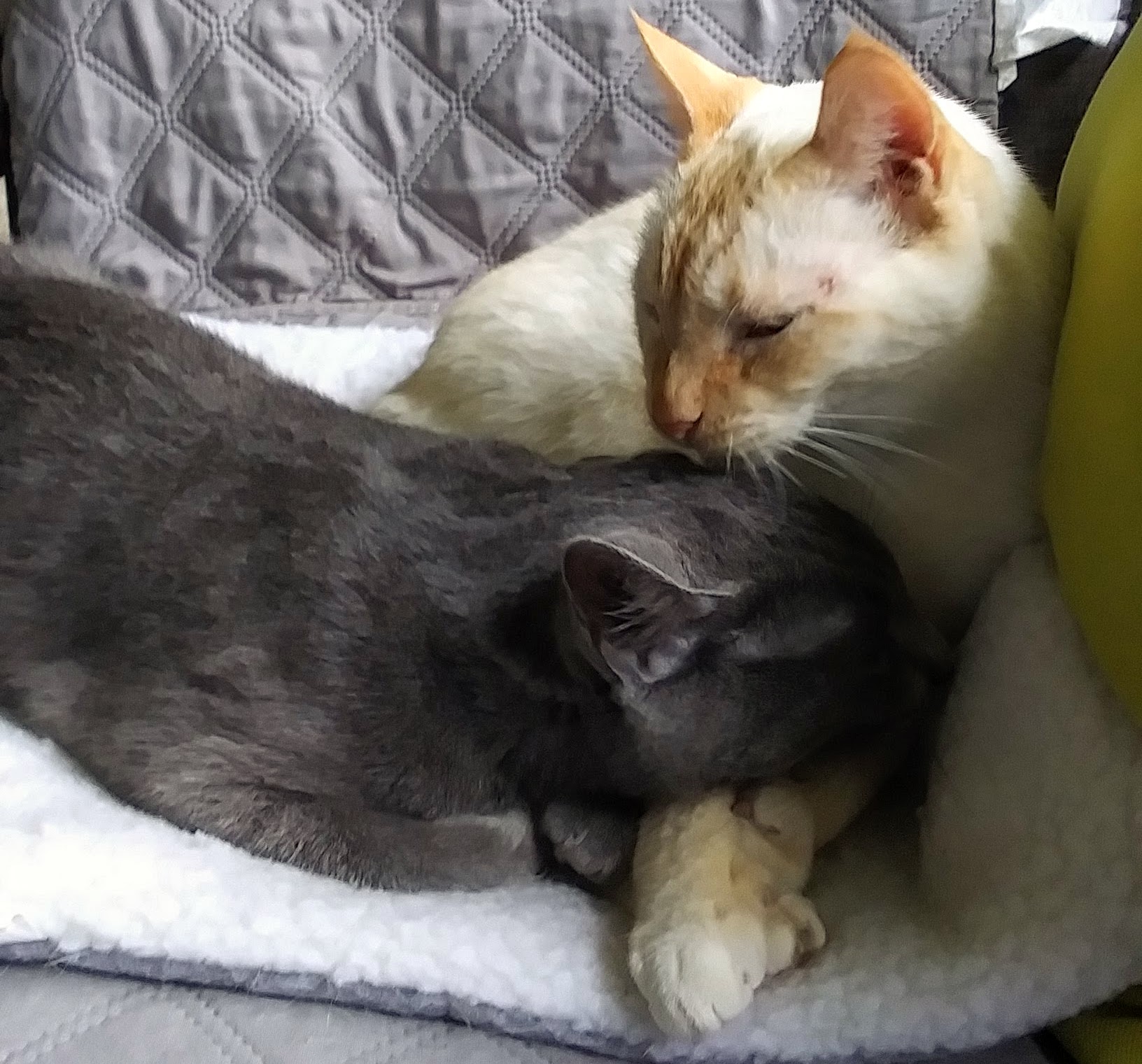
Just about everyone on social media has complaints about the algorithms bringing them content they don’t want. However, the algorithms learn from you; they’re going to give you more of the type of content with which you’ve interacted, so if you don’t want a lot of political content, stop liking and replying on that content. On Threads, the bulk of what I see is generally cats, writing/words and photography because, duh, that’s the content I interact with most.
Not one of my social media accounts is just overflowing with followers, and a big part of that is because I rely on organic reach. I have no interest in doing all the things that SEO (search engine optimization) experts tell you to do to expand reach because they’re not things I feel comfortable doing, and it’s not like I make any money off social media.
I don’t spend all my time online, and the time I do spend interacting there I don’t want to deal with accounts trying to artificially boost their numbers, tick people off or scam people.
Maybe that makes me a stick in the mud, but I’m OK with that. I’m used to being boring. I’ll just be over in my corner being word-nerdy with cats and photos.
 Serenity is a fuzzy belly