
Editor’s note: I usually write my columns on Mondays, but since this Monday was Labor Day, I decided (with a little encouragement from a friend) to take a little break. The original version of this column was published in the Arkansas Democrat-Gazette on Sept. 18, 2019.
✵✵✵✵✵
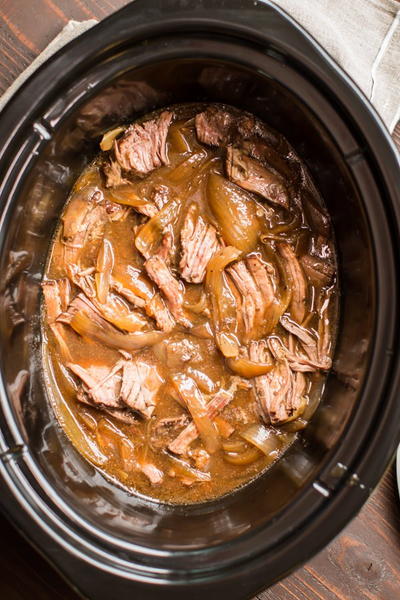
When I was a kid, we always knew it was Sunday when Mama mixed up a batch of yeasty rolls and put a roast on to cook before church. She always added some coffee to the roast, which was tender and juicy.
Once I grew up and moved away, she would often make a roast on those weekends I visited, and sent me home with the leftovers. When I got to the point with my IBS that I couldn’t digest beef (or any red meat) very well, she switched to other comfort foods (pork roast, baked chicken, etc.).
But I always remember those chuck roasts. During the week, we might eat chicken or tuna patties with fried okra, squash, home fries, poke salat and beans or purple hulls (cow peas)—all of which could be whipped up fairly quickly (we had home-canned beans and peas when we needed something quick)—but on Sunday, we dined.
And oh, was it good.
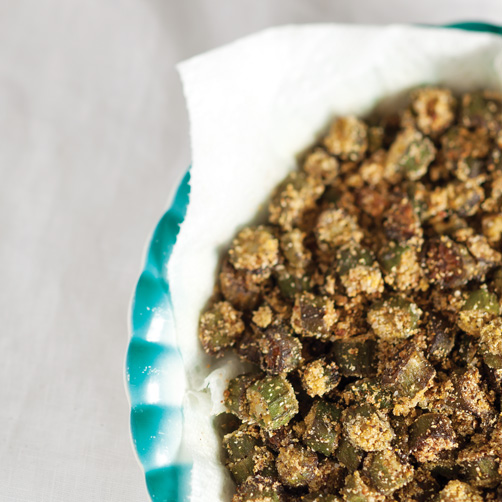
I loved just about anything my mom or her mom made. Though I don’t eat much fried food anymore, I do yearn for fried okra and home fries like they used to make. And oh, that skillet corn … blanched, cut off the cob (and the cob scraped for all the juices) and frozen in bags, it was a mix of creamy juices and semi- to whole-kernel corn, usually cooked in a cast-iron skillet with butter, salt and pepper. No milk or cream needed, and so much better than canned “creamed” corn. Perfection.
On Christmas Day, instead of the traditional foods (which we had the night before at our other grandma’s house), we always had chili, beans and what my brother Mitch calls “Nanny’s Good Soup”—usually whatever was in the refrigerator at the time, which usually included some ham or roast, including some of that year’s crop of potatoes, carrots and onions. It was yummy and a great way to use leftovers.
If we had brupper (breakfast for supper), it often included biscuits (my mom’s were flat because that was how Daddy liked them; good, but not how you picture biscuits), ham and/or bacon, onions, red-eye gravy and homemade ketchup (my grandma was a master at that, and it was spicy, not sweet).
Food has a way of taking us back to our roots, and just a scent can remind us of family dinners/suppers from decades ago. It seems Southern food in particular has that power for many readers.
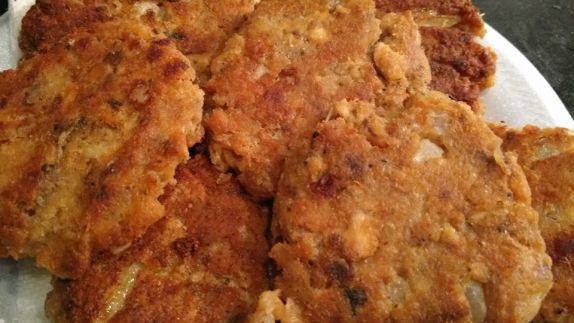
Former colleague Debra Hale-Shelton reported: “Mama always made, and still does, the best salmon patties, made from canned pink salmon, of course. For unknown reasons, my dad started calling the fried gems ‘salmon croquettes’ a few years ago. I like to add raisins to them and, like Mama, serve them with a bowl of pinto or Great Northern beans and buttered hoe cake.”
My mom did the same thing as Debra’s with salmon and tuna (though she would never think to put raisins in them). The crispiness of the outside was the best part.

For most of my childhood, we ate bass, along with the occasional crappie or perch and, rarely, catfish, usually on a Saturday night if Daddy didn’t take the whole weekend to fish (but we’d freeze several packages for later). It wasn’t till I went to college in Jonesboro that I had catfish on a regular basis. Though I love good catfish (Cotham’s in Little Rock has some of the best locally, to my taste, anyway, and needs no sauce), my heart still belongs to a good piece of bass, which I don’t get nearly enough. (Mitch, maybe you can catch and freeze a little bit for your favorite baby sister. 😉)
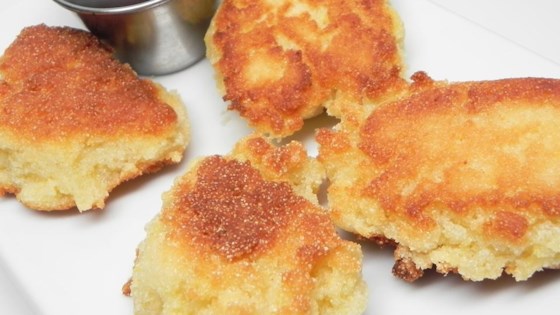
Jerry Slaton shared a dinner most Arkies likely remember: “Crumble up two hot water cornbread patties for a base layer. On top of that apply a generous portion of well-done pinto beans with extra juice to soak into the cornbread. On top of the pintos, a liberal dose of stewed potatoes, and all that topped off with Mama’s homemade chow chow. Now that is good eating right there.”
We usually put home fries on the side, and chopped onions on top of the beans. Yum.
Greg Stanford said, “[H]ot water cornbread is the first food that comes to mind. It was a staple at our table but has seemed to disappear from modern menus. I cannot remember the last time I have had it, heard about it or saw it on a plate anywhere! I also have fond memories of popcorn being popped in the long-handled basket over the open fireplace in the living room. There was an art to this method!”
Joe Styles recalled, “Family dinner in the summer; to go with your fried okra: purple hull peas cooked with a little bacon, sliced tomatoes, fried salt pork and cornbread. Yum Yum!”
We usually had a ham bone and a little extra ham to throw in with pintos or peas, and Mama and Nanny would fry some bacon to go along with it. Nanny preferred purple hulls to black-eyed peas.
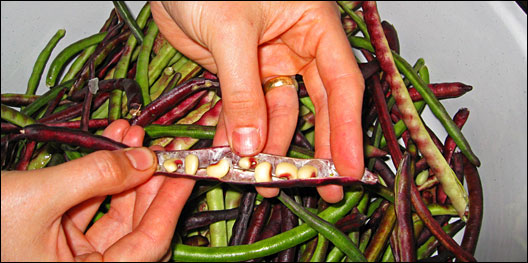
Like me, Joe said he remembers shelling peas with his mom using a “big bowl and a paper grocery sack for the hulls.” With purple hulls, you’d have that color on your hands for at least a few days. It was sort of a badge of honor that proved you did your part to prepare food from the garden. Shucking corn or peeling potatoes didn’t have that same prestige.
Steve Sorsby said fried chicken and mashed potatoes remind him of home, “Though oddly, for a Southern boy, also duck and sauerkraut. What can I say, my Mama was a Nebraska Yankee, transplanted here before I was born!”
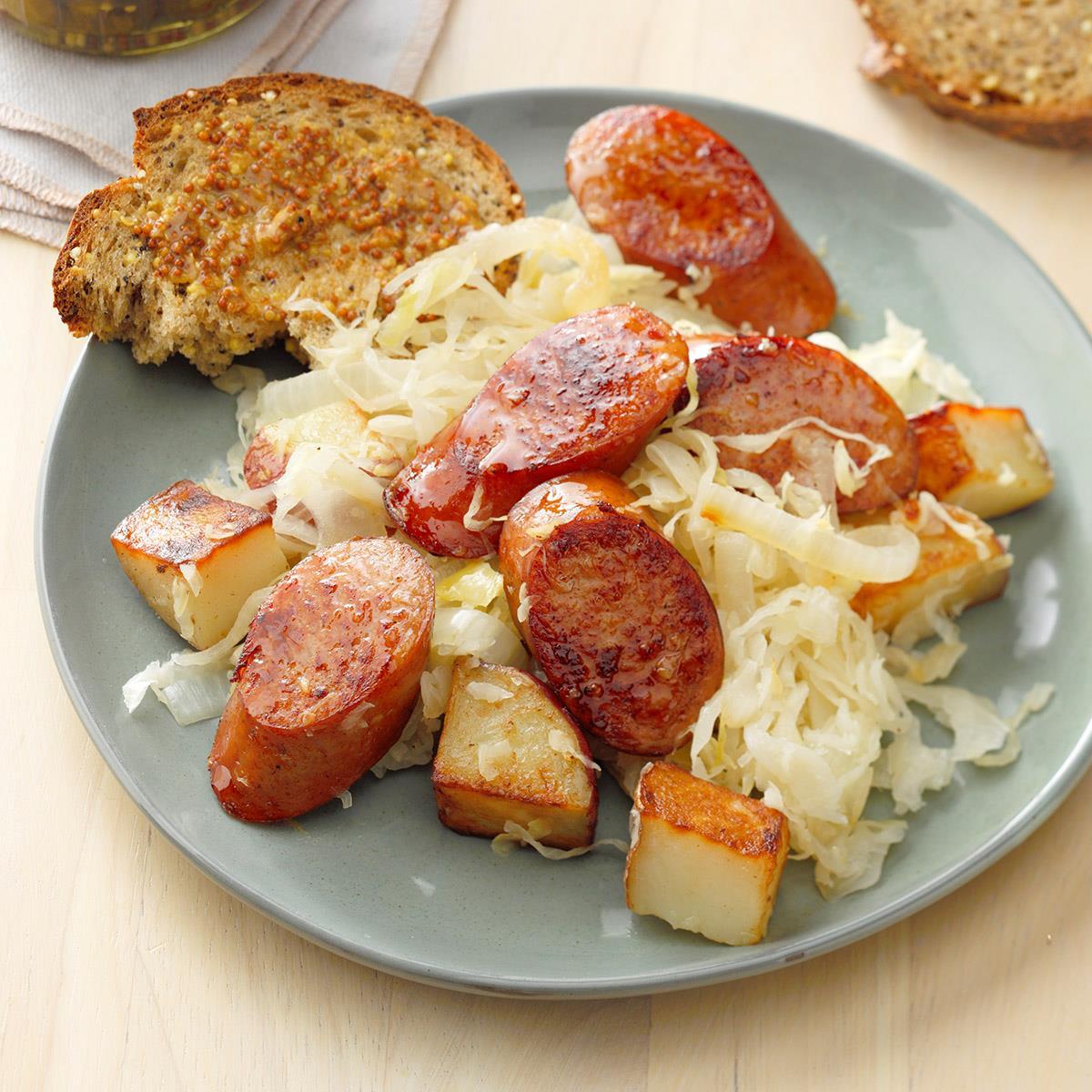
We didn’t eat duck growing up (it wasn’t a big thing in my part of the state), and I confess I’ve never eaten duck, but I have cooked with duck fat. Sauerkraut, though, usually with hot dogs or smoked sausage, was often on the menu because it was cheap (guess who usually ate the meat and other veggies and left the sauerkraut behind?).
And what dinner could be complete without dessert, especially in the South?
For friend Laurence Gray, the best dessert was cold: “When we visited with my maternal grandmother in Magnolia, she would get out her ice cream maker and we would make vanilla ice cream. … Myself and my sisters would take turns operating the crank.”
That’s just what we did. If we wanted the homemade stuff, we had to crank it because we didn’t have an electric ice cream maker then. It was usually vanilla because that’s what Daddy liked, but Mama and I managed to sneak in the occasional chocolate.
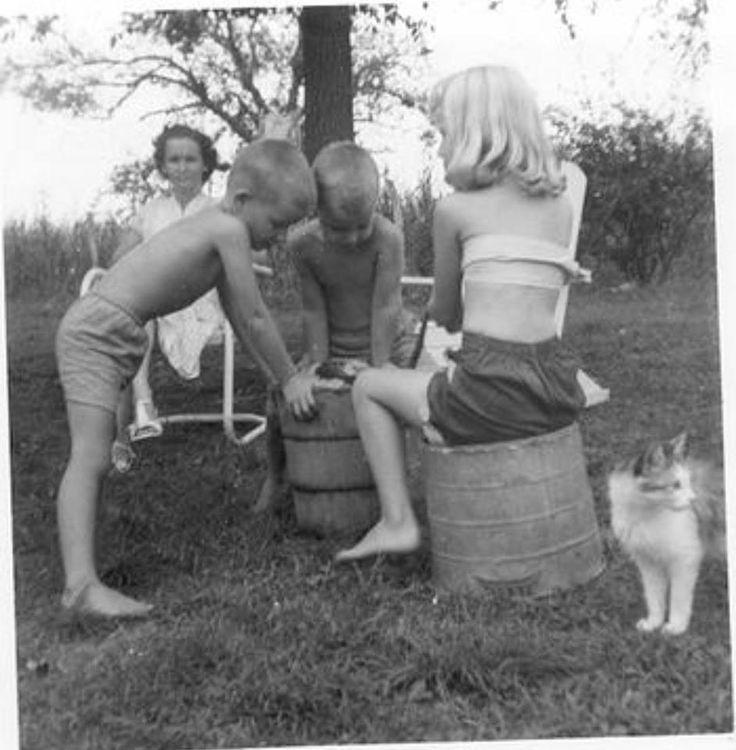
I prefer the hand-cranked homemade ice cream, but that doesn’t mean I’m still willing to do the work (we usually set up the contraption out by the lilac bush where it was a little cool but close enough to the house to run in if we got too hot), which is why I have a small electric churner (I mean, it’s just me; I don’t need a full-fledged machine).
Susan Richards, who blogs as Pied Type, told me, “I’m with you on the hand-cranked ice cream. Our was always fresh peach. Churned out under the mimosa tree. Mmm!”
Fresh fruit is always a delicious addition to most Southern desserts, and often essential (peach cobbler, anyone?). And if there was no fresh fruit, there was always homemade jam; Nanny made a great black raspberry jam.
Nell Matthews remembered: “Before global sourcing of produce, strawberries were only in the store for a few weeks in late spring/early summer. Mother grew up on a farm in Poteet, Texas, once named the Strawberry Capitol of the world. So when fresh, fully ripe strawberries hit the grocery in May or June (not the hard, pale, tasteless ones bred to ship long distances), I make biscuits, slice strawberries, and whip heavy cream to eat strawberry shortcake for supper.”
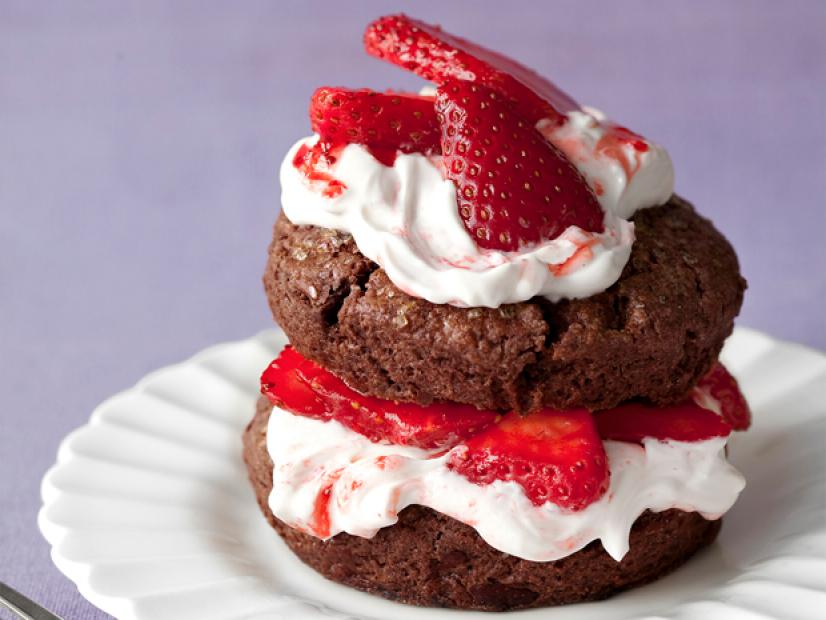
Biscuits are far superior to dessert shells for shortcake, especially if they happen to be chocolate. Most everything’s better with chocolate.
And now my stomach’s growling. Thanks, y’all.
👩🏻🍳👩🏻🍳👩🏻🍳👩🏻🍳👩🏻🍳
The last time I shared this column on the blog, I included the recipe for Ginger Puffs, which I had shared in a Food section story from April 2000 about family recipes. It was my dad’s favorite cookie, and a deliciously soft version of a ginger snap; it also was a favorite of my executive editor at the time, as I had always made those for his birthday, and he was thrilled to finally have the recipe.
This time I’m sharing a simple but delicious one that was frequently used in our household: Baked Cracker Chicken, as it appeared in that story. Though it calls for margarine (not “lite,” though, as the water content is too high for anything approaching a crisp crust), you can use butter if you really want to, but if using salted butter, decrease the amount of salt used in the crumb mixture.
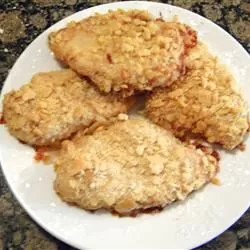
Baked Cracker Chicken
6 to 8 chicken breast halves (about 4 pounds)
1 1/2 cups saltine cracker crumbs
1 teaspoon salt
1 1/2 teaspoons coarse-ground black pepper
1 teaspoon poultry seasoning
1/3 cup margarine OR margarine spray
Rinse and pat dry chicken pieces, and remove any extraneous fat deposits. Set aside.
In a medium bowl, combine cracker crumbs, salt, pepper and poultry seasoning. Apply margarine to chicken pieces, then roll in cracker mixture. (If not using a spray, melt margarine over low heat. Dip chicken breast in melted margarine then roll in cracker mixture.) Place on jelly roll pan and bake at 375 degrees for 40 to 50 minutes, until crust is golden brown and juices run clear.
Notes: A lower-fat version using skinless or skinless and boneless chicken breasts is what our family cooks now, and the seasonings may change with the tastes of family members. If substituting skinless boneless breasts, lower oven temperature to 350 degrees and shorten cooking time to 25 to 35 minutes.

 Serenity is a fuzzy belly