
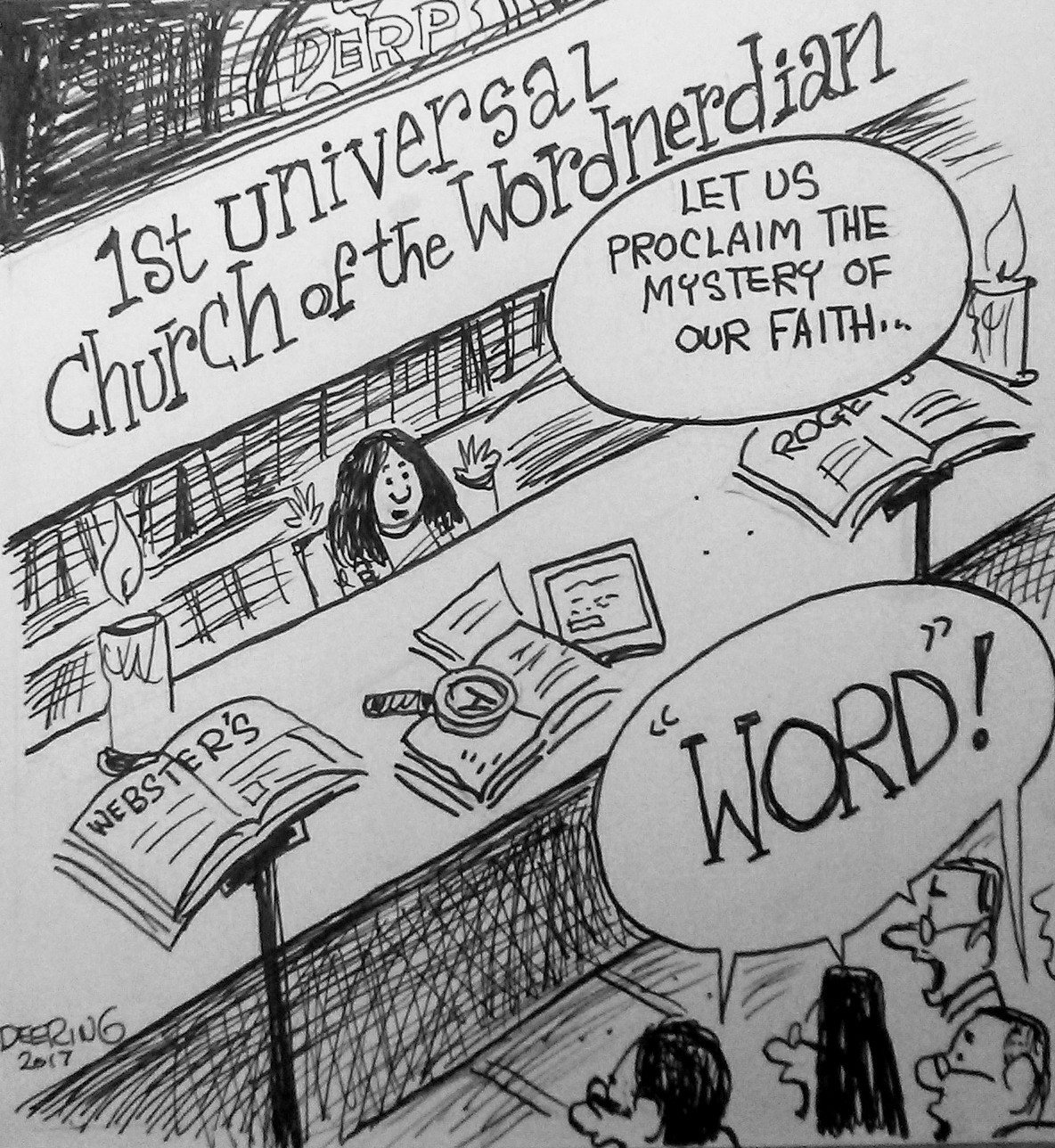
If you thought that this year’s “words of the year” would give you a break from the pandemic … ha!
I’m starting to think this thing will never end … at least not until about half the planet is dead. That’s not a pleasant thought.
But the major dictionaries just had to name words and phrases related to covid. Humbug.
There’s good reason, though, as most of the online dictionaries base their choices on what users are looking up. All you people who were (and still are) so concerned about the CDC, WHO and others pushing vaccination and sure that there are nefarious reasons behind it … well, you helped make “vaccine” (or “vax”) one of the words of the year.

Aren’t you proud? Gold star for you, with a complimentary tracker so that Bill Gates and the Rothschilds can keep an eye on you at all times!
Merriam-Webster wrote on its Words at Play blog: “In everyday use, words are useful tools that communicate assertions, ideas, aspirations, and uncertainties. But they can also become vehicles for ideological conflict.
“This is what happened to vaccine in 2021. The promising medical solution to the pandemic that upended our lives in 2020 also became a political argument and source of division. The biggest science story of our time quickly became the biggest debate in our country, and the word at the center of both stories is vaccine.”
Perhaps part of the reason some see conspiracy in the vaccine is that, because the mRNA covid vaccine was the very first of its type available to the public and how it works is different from that of one containing an inactivated form of a virus, the definition was revised and expanded. Where once the definition was simply “a preparation of killed microorganisms, living attenuated organisms, or living fully virulent organisms that is administered to produce or artificially increase immunity to a particular disease,” it has changed to “a preparation that is administered (as by injection) to stimulate the body’s immune response against a specific infectious agent or disease,” with traditional and mRNA vaccines explained in more detail. Well, obviously, there’s something fishy there. And I don’t believe for a second that it’s not gene therapy.

Seriously, we need a sarcasm font.
Like language, science evolves, and often that evolution means an evolution in the language as well. Dictionaries don’t determine the meanings of words, but rather record how they’re used, and a new method of stimulating an immune response (those are the key words) meant that the meaning of “vaccine” had to broaden a wee bit. If in 20 or 30 years there’s another innovation producing an immune response, the meaning may expand a little more. This evolution is a natural part of the language, and is not the least bit conspiratorial.
Merriam-Webster noted that interest in the word “vaccine” was intense: “Lookups for vaccine increased 601 percent year-over-year from 2020. But interest in the word has been high since the start of the covid-19 pandemic, with much discussion of the funding, development, testing, and ultimate distribution of the vaccines occurring in 2020. The prominence of the word vaccine in our lives in this era becomes even more starkly clear when we compare 2021 to 2019, a period in which lookups for the word increased 1,048 percent.”
And I know there was a big chunk of those looking it up who were determined to convince others that they’re more likely to die from the vaccine than covid (not true).
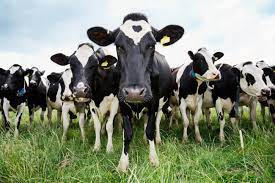
The word, the dictionary said, “comes from the Latin word for ‘cow,’ vacca, because the term was initially used to refer to inoculation using doses of cowpox that, it was discovered, protect humans against smallpox.”
That would be the disease that was eradicated with vaccination (some of it mandated). Hmmm …
The blog further noted: “The word vaccine was about much more than medicine in 2021. For many, the word symbolized a possible return to the lives we led before the pandemic. But it was also at the center of debates about personal choice, political affiliation, professional regulations, school safety, health-care inequality, and so much more.
“Few words can express so much about one moment in time.”
And few can tick so many people off for no good reason. Just get the damn shot, people.
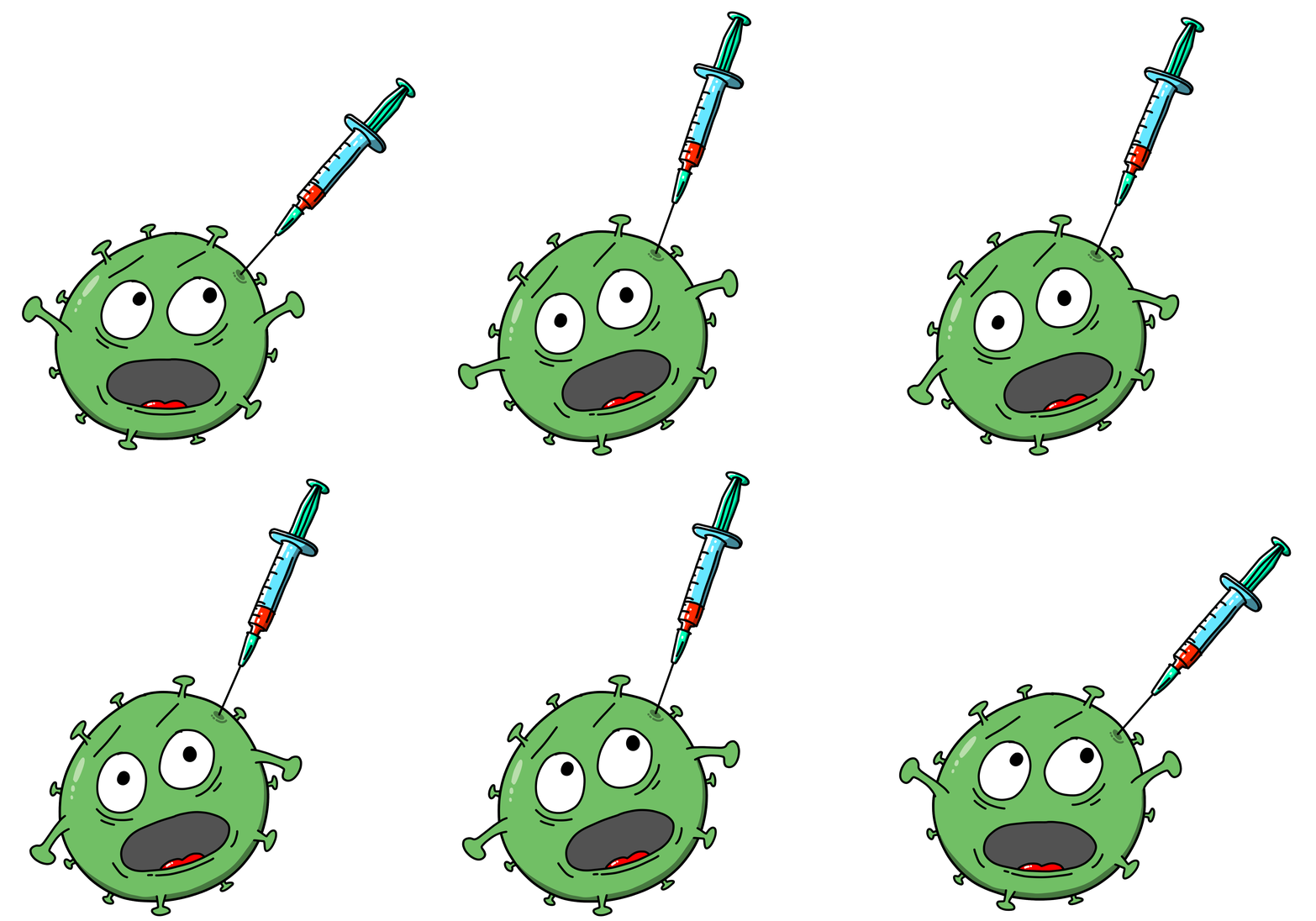
Oxford Dictionaries chose the derivative “vax” as its word of the year. “When our lexicographers began digging into our English language corpus data, it quickly became apparent that vax was a particularly striking term. A relatively rare word in our corpus until this year, by September it was over 72 times more frequent than at the same time last year. It has generated numerous derivatives that we are now seeing in a wide range of informal contexts, from vax sites and vax cards to getting vaxxed and being fully vaxxed; no word better captures the atmosphere of the past year than vax.”
Suddenly I’m getting a Beetlejuice/Bloody Mary/Candyman vibe and am wondering: If I say vax three times, will a rabid anti-vaxxer appear to harass me for encouraging vaccination? Please, can one of them call me a misogynist like that other guy?

But the dictionary wasn’t satisfied with just “vax.” Oxford also did a deep dive into the language of vaccines, which you can download here. These people are nothing if not accommodating to word nerds.
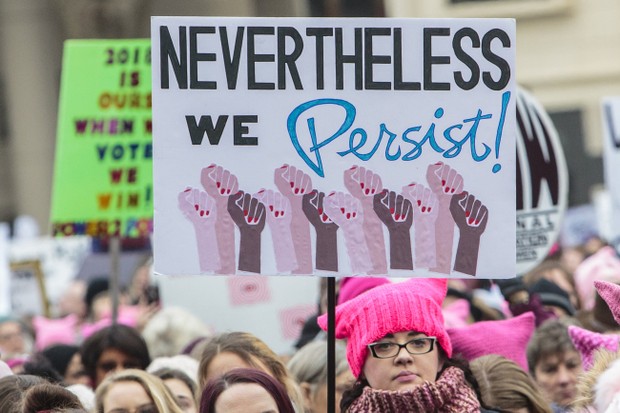
Cambridge Dictionary chose “perseverance,” meaning “continued effort to do or achieve something, even when this is difficult or takes a long time.” That sums up the past two years pretty well, I think.
Cambridge wrote on its blog: “In 2021, people all over the world have had to show perseverance in the face of challenges and disruption to our lives from covid-19 and other problems.” It further noted, “You might find it encouraging to learn that we usually use perseverance to talk about an effort that is eventually successful.”
At this point, we’ll take all the encouragement we can get. This has been a rough year.
Next year, how about some non-pandemic-related words of the year, huh?
Now, it wasn’t all pandemic, all the time. If you’ve paid attention over the last several years, you know that with its Word of the Year, Merriam-Webster also releases its list of the next 10 words that led lookups over the year (you can read more about them at the same link for the Word of the Year). Most of this year’s shouldn’t be any surprise.

- Insurrection
- Perseverance
- Woke
- Nomad
- Infrastructure
- Cicada
- Murraya
- Cisgender
- Guardian
- Meta
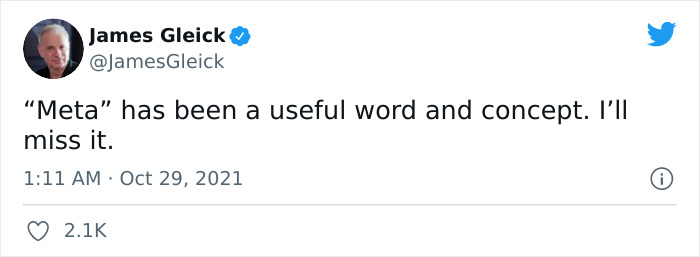
The lookups were largely driven by news events, from the Jan. 6 attack on the U.S. Capitol in an attempt to stop certification of the 2020 election results, to the Mars rover (which is what the dictionary said drove most of its lookups of “perseverance”), movies, National Spelling Bee words and buzzwords used to drive hyperpartisans crazy (and more than a few word-nerd editors who are tired as hell of those hyperpartisans using those buzzwords to stir people up). And of course Meta would have to make an appearance. I still don’t see that name lasting too awfully long for Facebook corporate … unless Zuckerberg keeps it just to spite all the people making fun of it.
It’s not our fault it’s a dumb move.
One more dictionary of note, Dictionary.com, announced its Word of the Year, but it was unexpected. For the first time, it named a newly listed word as Word of the Year: “2021 was a year defined by the many ongoing impacts of the pandemic and the polarization of 2020—and the various ways we continue to grapple with them.
“The vastness of such a year could never be fully summarized with a single word. But there is one word that’s intertwined with so many of the things we’ve experienced in 2021: allyship, our 2021 Word of the Year.
“allyship (noun): the status or role of a person who advocates and actively works for the inclusion of a marginalized or politicized group in all areas of society, not as a member of that group but in solidarity with its struggle and point of view and under its leadership.”
The addition of the word and its choice as Word of the Year, Dictionary.com said, “captures important ways the word continues to evolve in our language and reflects its increased prominence in our discourse. Allyship acts as a powerful prism through which to view the defining events and experiences of 2021—and, crucially, how the public processed them.”
Sure, vaccine, burnout and critical race theory were in the running, but the dictionary chose, like Cambridge did, to look on the bright side.
Here’s to more perseverance and allyship in 2022!
 Serenity is a fuzzy belly