
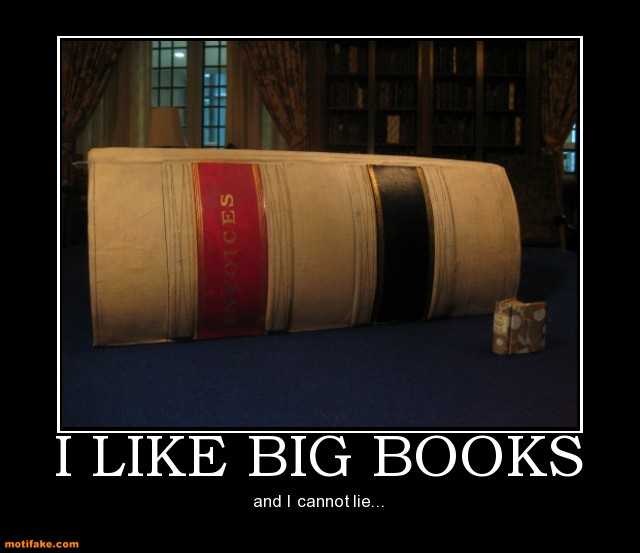
Yeah, where’d you think I was going with this?
Image found on Motifakes.
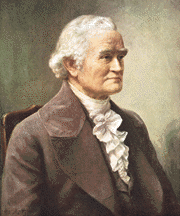
On this day in 1758, a man was born whose legacy has touched just about every person on the planet in some way (and no, we’re not talking Donnie … that’s just women … and I’m fairly sure he’s not that old).
That man was Noah Webster.
From the Noah Webster House & West Hartford Historical Society:
“During his years as a student and then as a schoolteacher, Webster realized the American education system needed to be updated. Children of all ages were crammed into one-room schoolhouses with no desks, poor books, and untrained teachers. …Webster believed that Americans should learn from American books, so in 1783, he wrote his own textbook: A Grammatical Institute of the English Language. … For over 100 years, Webster’s book taught children to read, spell and pronounce words. It was the most popular American book of its time, selling nearly 100 million copies. …
Noah Webster, perhaps the original American word nerd.
Image found on Merriam-Webster.com.“In 1801, Webster started working on defining the words that Americans use. He did this because Americans spoke and used words differently than the English, and to help people who lived in different parts of the country to speak and spell the same way.
“In his dictionary, Webster used American spellings like “color” instead of the English “colour” and “music” instead of “musick”. He also added American words that weren’t in English dictionaries like “skunk” and “squash.” His first edition, A Compendious Dictionary of the English Language was published in 1806. This book offered brief definitions of about 37,000 words. It took him 22 more years to finish his American Dictionary of the English Language. When he finished in 1828, at the age of 70, Noah’s dictionary defined over 65,000 words.”
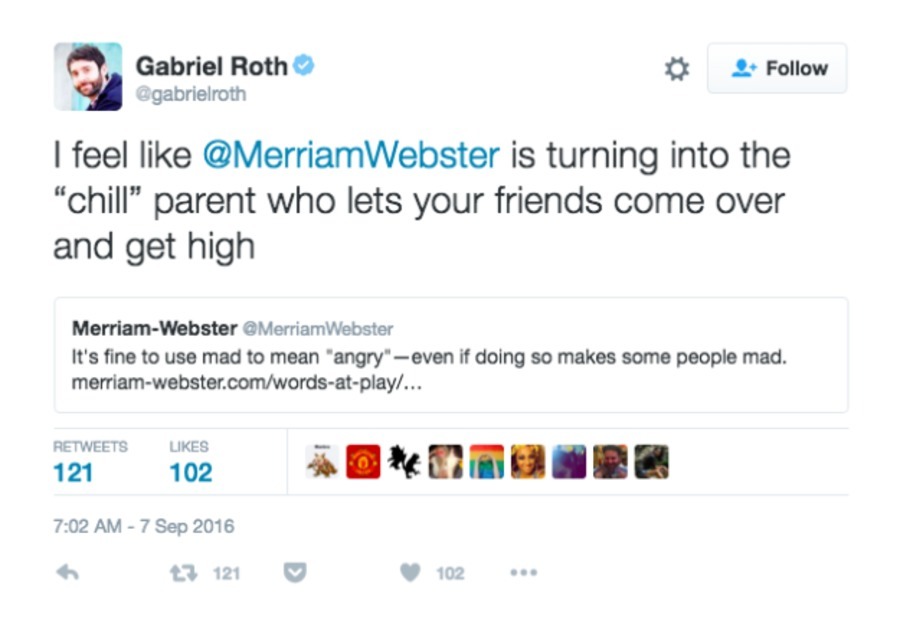
Dang, Roth! Language evolves; deal with it!
Image found on What’s Trending.
Brothers and booksellers George and Charles Merriam bought the unsold copies of the 1841 edition of the American Dictionary from Webster’s heirs when he died in 1843, and secured the rights to create revised editions. And thus, the world of word nerds was never the same again.
Oscar Wilde and Eugene O’Neill were also born on Oct. 16. I hear they were pretty good with words too.
In honor of Noah Webster’s impact on our world, Oct. 16 is celebrated as “Dictionary Day.” To celebrate, expand your vocabulary, preferably while eating some alphabet soup. An alphabet sandwich? Only if you’re famished. And nuts.
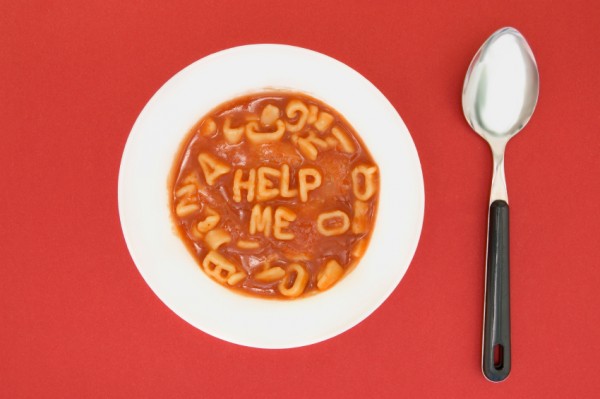
You’ll need help if you try the alphabet sandwich … stick with the soup.
Image found on Sungard AS Blog.
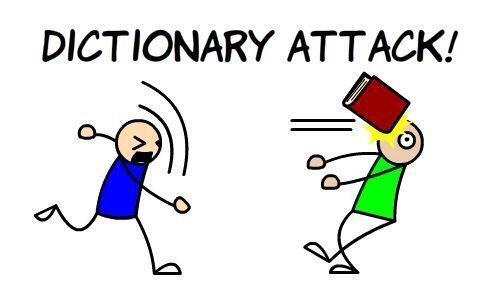
See? Words can hurt!
Image found on Twitter.
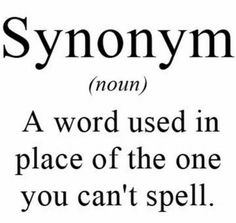
Just don’t ask anyone to spell “synonym.”
Image found on Pinterest.
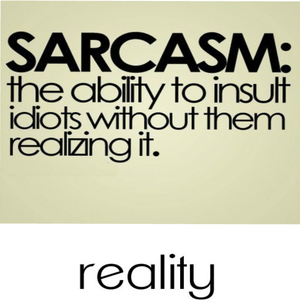
But you’re not an idiot, are you? That’s why I like you.
Image found on Meme Center.
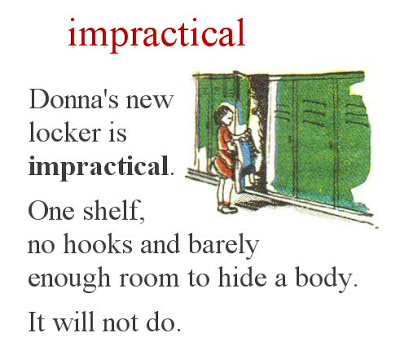
Sometimes, Donna, we must make do with what we have.
Image found on Ross Horsely’s MyFirstDictionary blog.
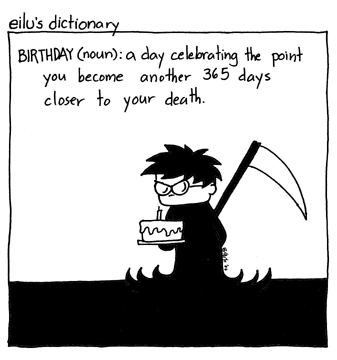
What about when you’ve already been dead almost 173 years?
Image found on Glitter Graphics.
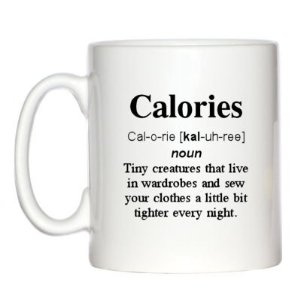
I knew there was an explanation!
Image found on Quotesgram.
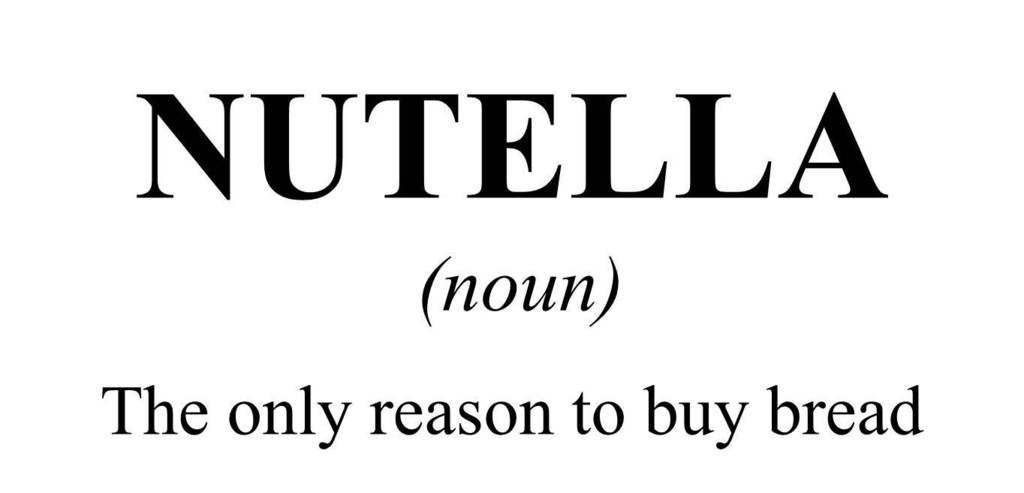
OK, not the only reason for bread. There’s also grilled cheese and French toast … but not at the same time. That would be gross.
Image found on Just Another Tee.
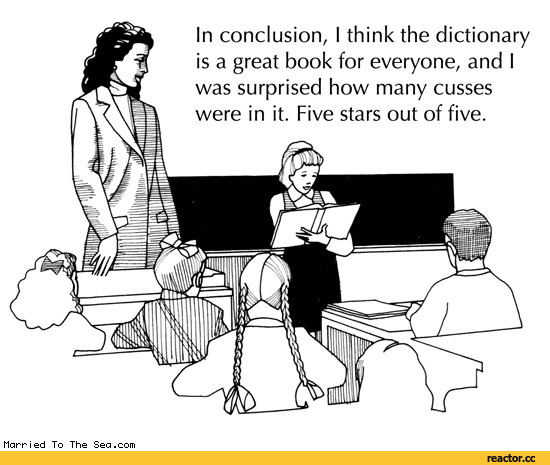
Obviously a Southern girl, since she said “cusses.” Say “curses” here, and be prepared to hear “foiled again!” But mostly from weird people like me.
Image found on Joy Reactor.
 Serenity is a fuzzy belly
It’s always important and appropriate to acknowledge the power of language. Like so much else, it can be used for good or evil, but in either case it should be used and spelled correctly.
LikeLike
And if weren’t for ol’ Noah, we’d still be spelling it “musick.” While some does make me a bit sick, I prefer the “-ic.”
LikeLike
Are synonym rolls the ones like grammar used to make? If you start cursing, should I hand you a roll of aluminum foil?
LikeLike
Yes, and yes! 😉
LikeLike
LOL.
LikeLike
Although I’m not prudish or self-righteous to any measure, I remember being quite shocked when Websters began including profanity/slang in the dictionary. It seemed to be such a classy and sophisticated dictionary to stoop to such a low. Not sure what year they started that. Probably in the free-spirited sixties. 🙂
LikeLike
I think I was more shocked when Oxford started adding some questionable slang. I think Webster’s probably always has, but the slang was more ingrained in the language than the more recent additions have been. I shudder to think what words may be added after this election year. 😉
LikeLiked by 1 person
Supporting a stance of removing the ‘smutty’ words from reference material may have negative results. Reading Hemingway published in the ’50s, I was convinced (and puzzled) by the frequently inserted “expletive deleted”…only later did I discover that writers and speakers failed to use the phrase. A shame, as inserting a forceful “EXPLETIVE DELETED” into a discussion is guaranteed to act as an argument;s logjam.
Along the same lines, my silve- haired mommy entered her first (of many) marriages convinced that male social equipment was shaped like fancy fig leaves after sneaking looks into the non-smutty depictions of the day.
In her defense, she was wed at 16 and suffered a fear of brightly lit romance.
She was gobsmacked soon after the ceremony to discover Dad bore scant resemblance to a fruit tree.
LikeLike
LMAO!!!!
I’ll never look at Fig Newtons the same way again …
Good to hear from you again, Dick!
LikeLike