
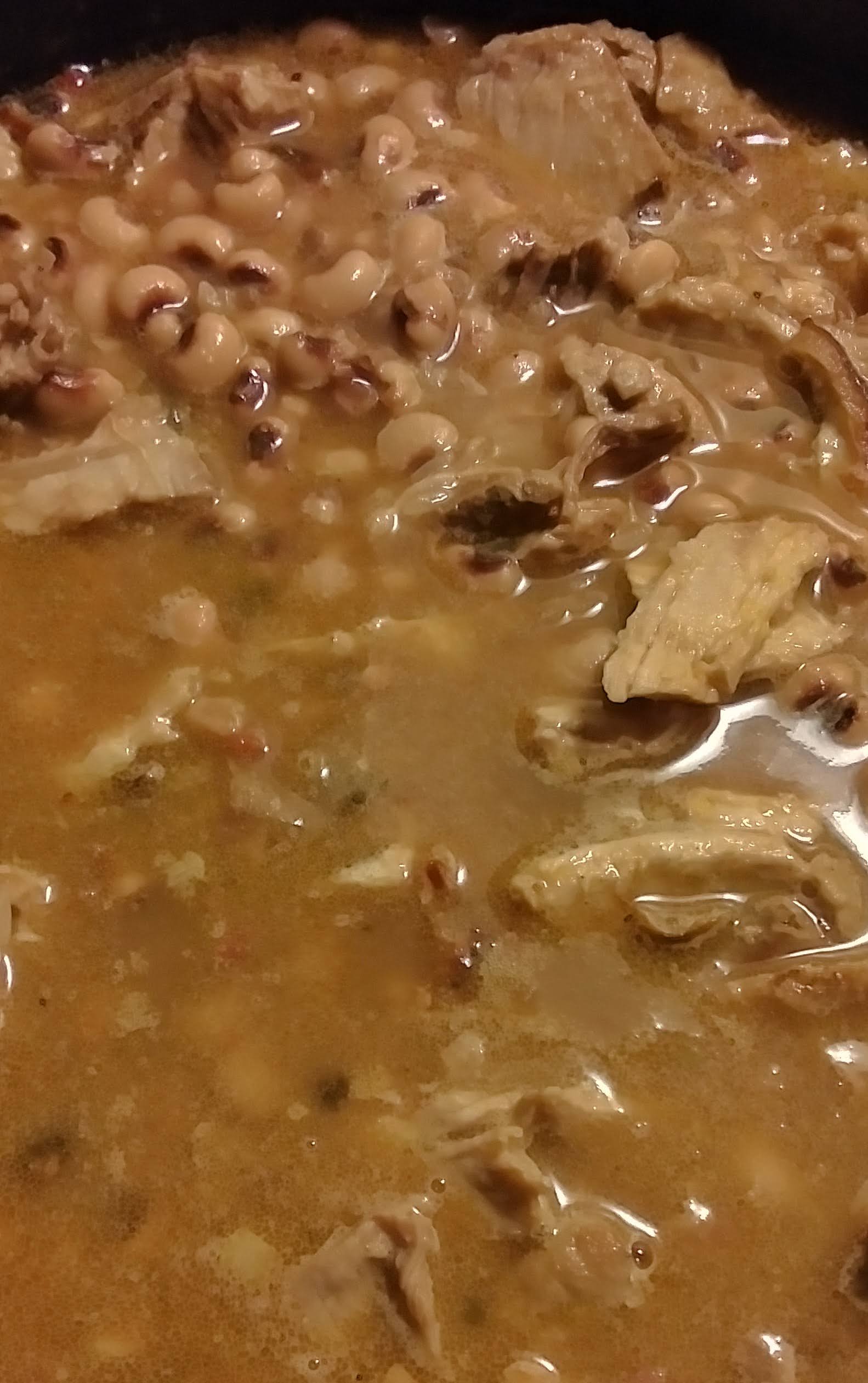
A little cold/sinusitis made my New Year’s weekend a bit more subdued than usual (so, practically asleep). For one thing, you can’t add much pepper to the Hoppin’ John because it doesn’t take much to start a round of sneezing, but you need that extra boost of flavor/sinus clearing. Sigh. Thanks, weather.
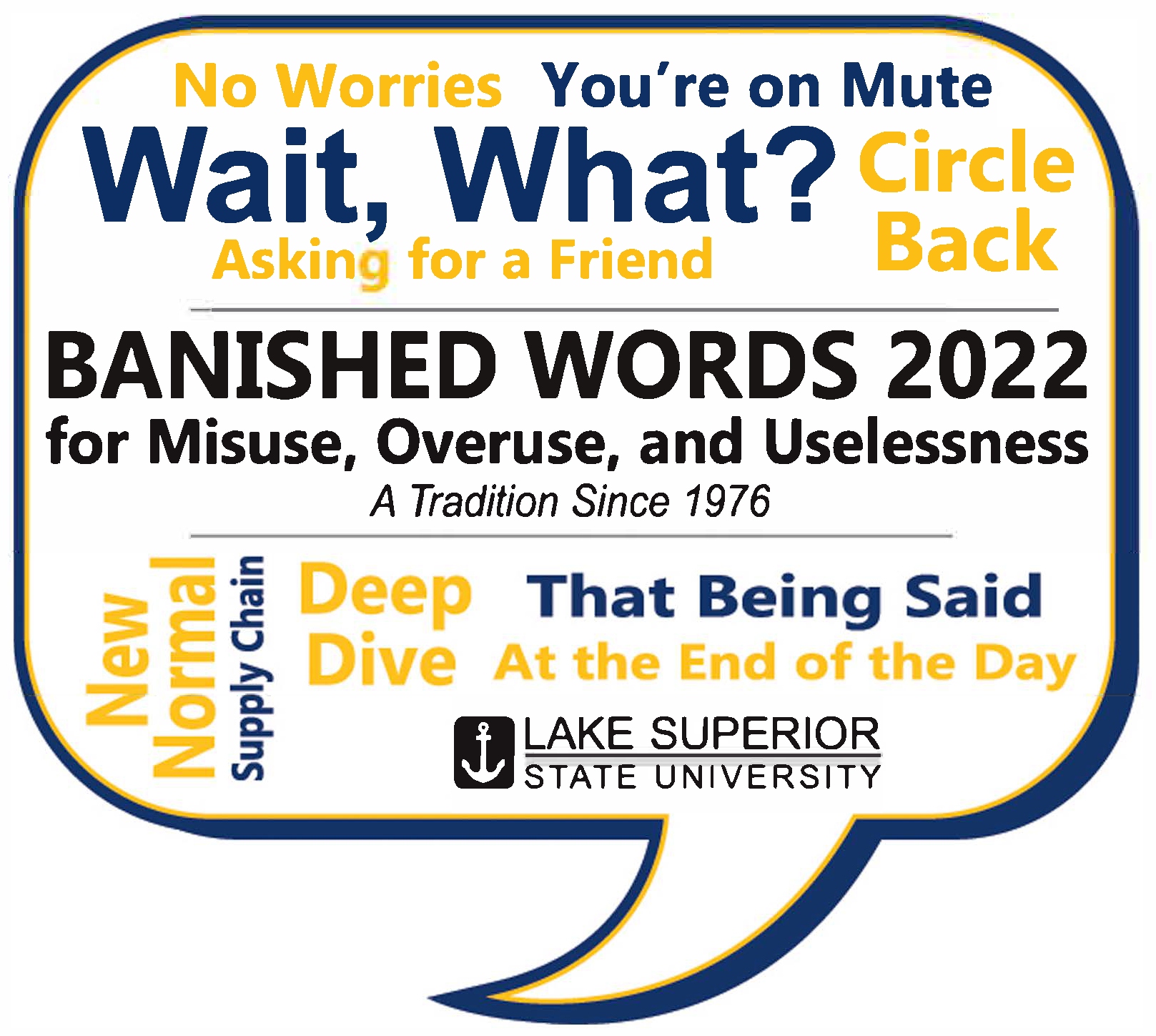
But at least one thing turned out as usual, as Lake Superior State University in Michigan released its 2022 list of words to be banished because of misuse, overuse or downright uselessness.
Last year’s list was heavy with terms related to the pandemic. Peter Szatmary, executive director of marketing and communications at the university, said, “Seven of the 10 words and terms that LSSU banished last year reflected real-world concerns about covid-19, while three could be categorized as quotidian. This year, as the global pandemic persists along with adaptations to it, the inverse occurred. Seven of the 10 words and terms to be banished are more conversational-based, with the other three applying to the coronavirus.
“One possible takeaway from all this about the act and art and science of disclosing something is the more things change, the more things stay the same. At the very least, it’s complicated.”
Isn’t everything nowadays?
This year’s list was introduced thusly: “Mass communication? Miscommunication! If you’re going to turn to the vernacular to make yourself known, be sure you’re accurate and concise. Avoid error in and exploitation of everyday language. In short, do the opposite of what the public and the media did this year.”
Heeeeeyyyyyy …
More than 1,000 of the more than 1,250 nominations submitted for this year’s list were colloquial, with the No. 1 offender being “Wait, what?” Nominators and contest judges deemed that “the two-part halting interrogative is disingenuous, divergent, deflective, and other damning words that begin with the letter d.”
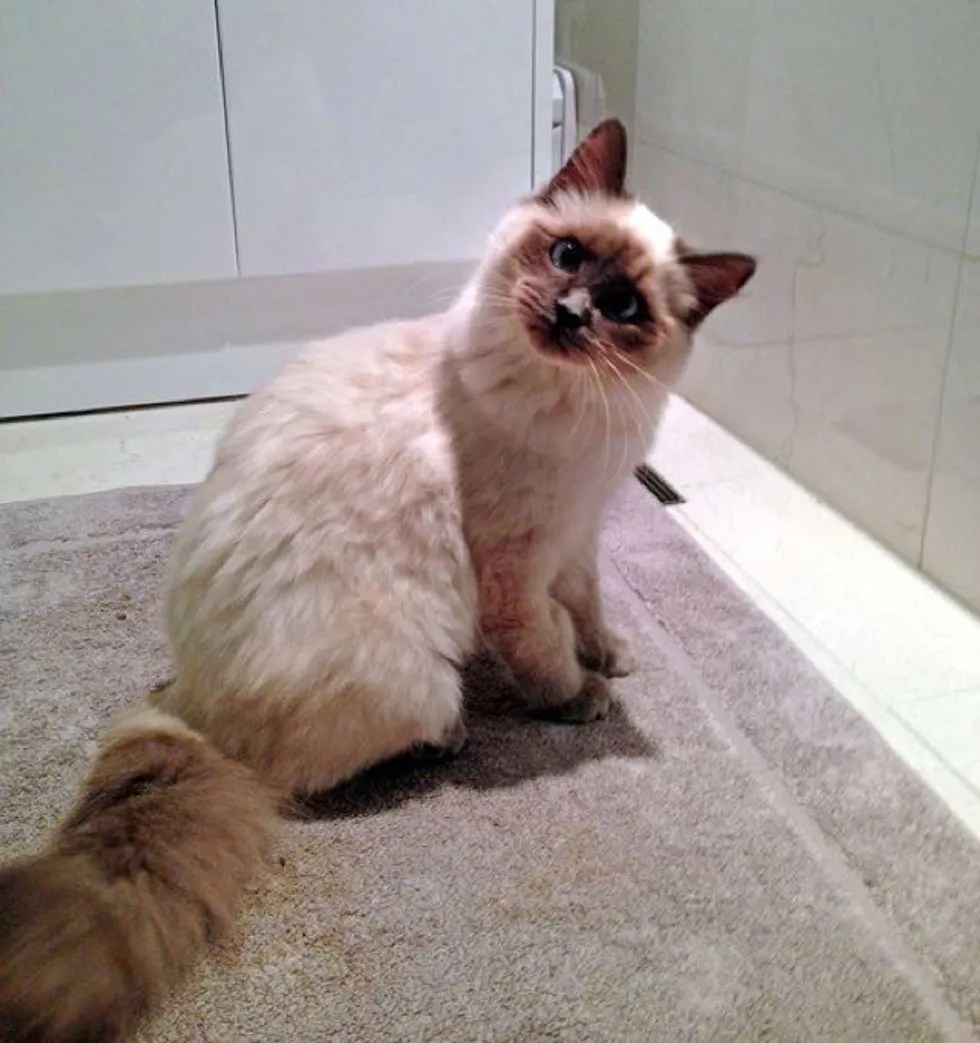
Full disclosure: I have used this phrase, usually in photo captions on this blog, but only when I felt the photo merited it. Will I stop? Meh, I don’t know. Maybe.
The second offender was “No worries.” “Nominated by writers nationwide for misuse and overuse, this phrase incorrectly substitutes for ‘You’re welcome’ when someone says ‘Thank you,’” the university noted. “A further bungling relates to insensitivity. ‘If I’m not worried, I don’t want anyone telling me not to worry,’ a contributor explicated.”
So I guess singing “Hakuna Matata” is out as well (“It means no worries,” say the lyrics).
I admit I use this one as well, but usually not in response to “Thank you”; my tendency is to use it when someone apologizes for something that really wasn’t that big of a deal.
Fillers and jargon featured quite a bit on this year’s list, with “at the end of the day” being banished for a second time (its 1999 banishment apparently didn’t take), and “that being said” and “asking for a friend” being taken to the woodshed. I’ve never been a great fan of phrases like “at the end of the day” as they’re usually used (throwaway clauses that add nothing to the sentence but more words), and would be OK with seeing them take a long walk off a short pier.
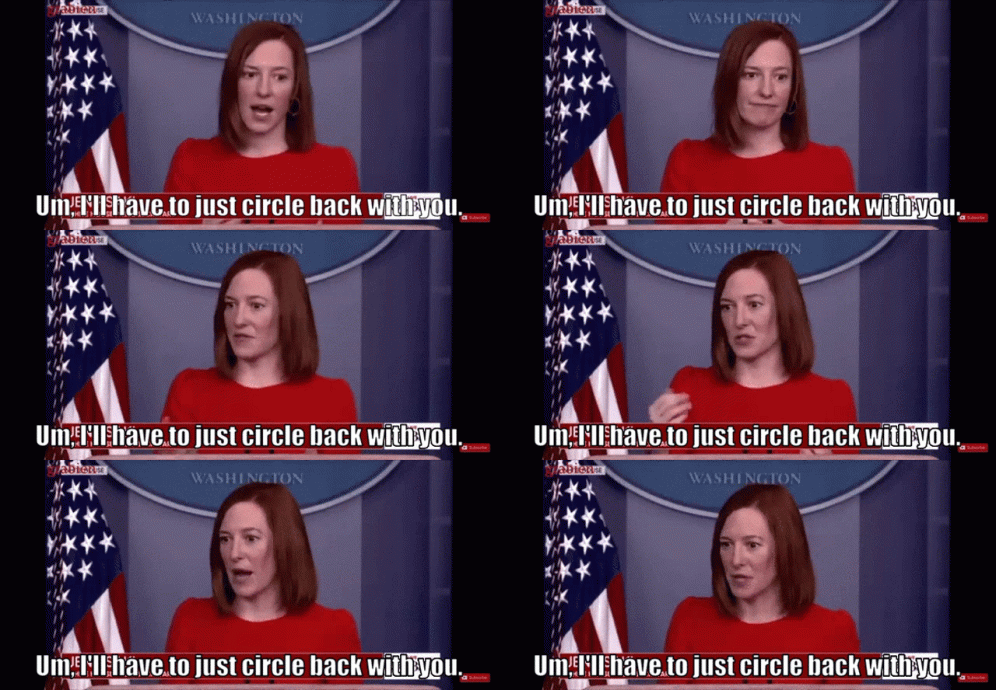
“Circle back” and “deep dive” also made the list, quite deservedly, both of which I see quite often in PR emails that make me want to slap even those friends in PR who don’t use them. On “circle back,” the university wrote, “Opined a grammarian, ‘The most overused phrase in business, government, or other organization since synergy’—which we banished in 2002 as evasive blanket terminology and smarty-pants puffery.”
And now I really want to name a band “Smarty-Pants Puffery.” Please, someone … there are just so many great band names going wanting!
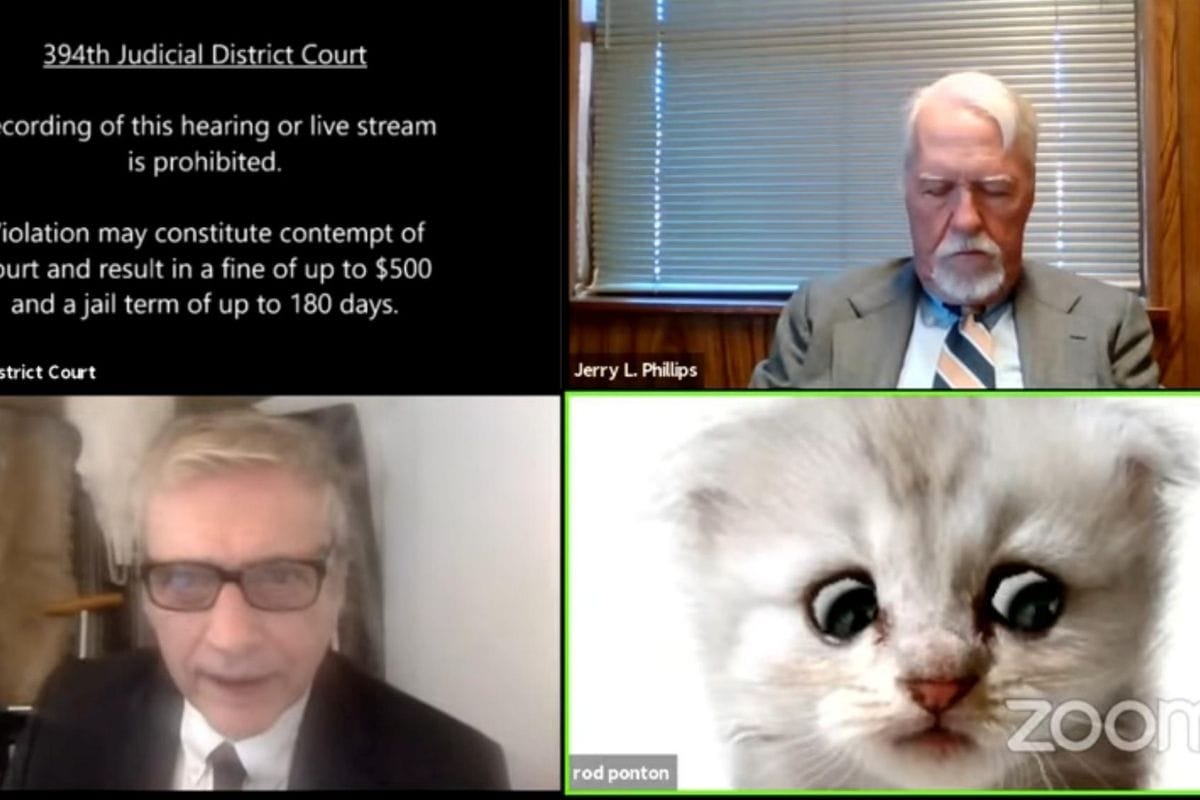
Three pandemic-related phrases sent to the corner rounded out the list: “new normal,” “you’re on mute,” and “supply chain.” Since Zoom isn’t really part of my workday (Slack, yes; Zoom, no), “you’re on mute” wasn’t really on my radar. As one nominator noted, “We’re two years into remote working and visiting. It’s time for everyone to figure out where the mute button is.” I have no idea where that is, but I know where the shutter closure is. I’ve only done two Zoom calls, one with and one without video. For me, that shutter closure is more important.
But “new normal” and “supply chain” certainly have filled entirely too many news reports, social media posts and other parts of the Internet the past year, especially “supply chain.” Both have been attached to a lot of political sniping as well, which makes me dislike them all the more.
Like “at the end of the day,” “new normal” has been banished before, in 2012, then for “imprudence, defeatism, and apathy stemming from societal missteps.” One commenter said basically what I’ve been saying: “After a couple of years, is any of this really ‘new’?”
What I find interesting is that it appears the people who use “new normal” the most are the ones who can’t accept that the world has changed so much due to the pandemic that it will most likely never return to “the good old days” they prefer. However, their resistance to following even the tiniest public health measures is what’s delaying the return to anything resembling the normalcy they want.
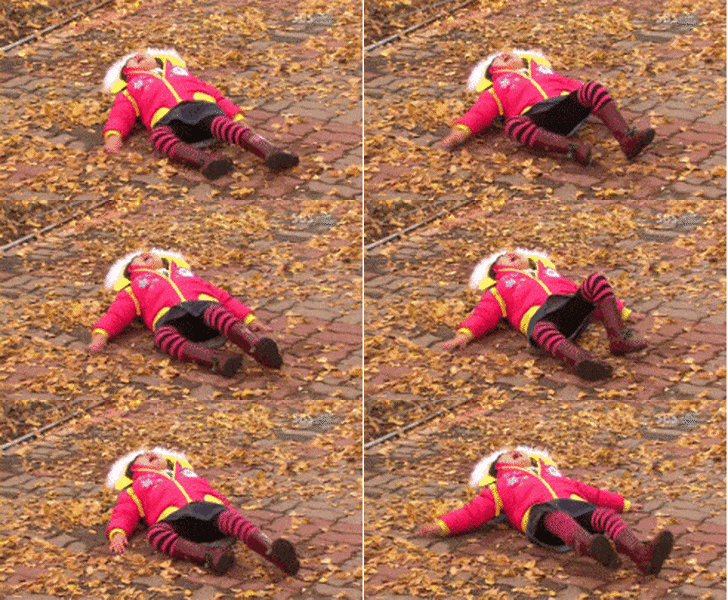
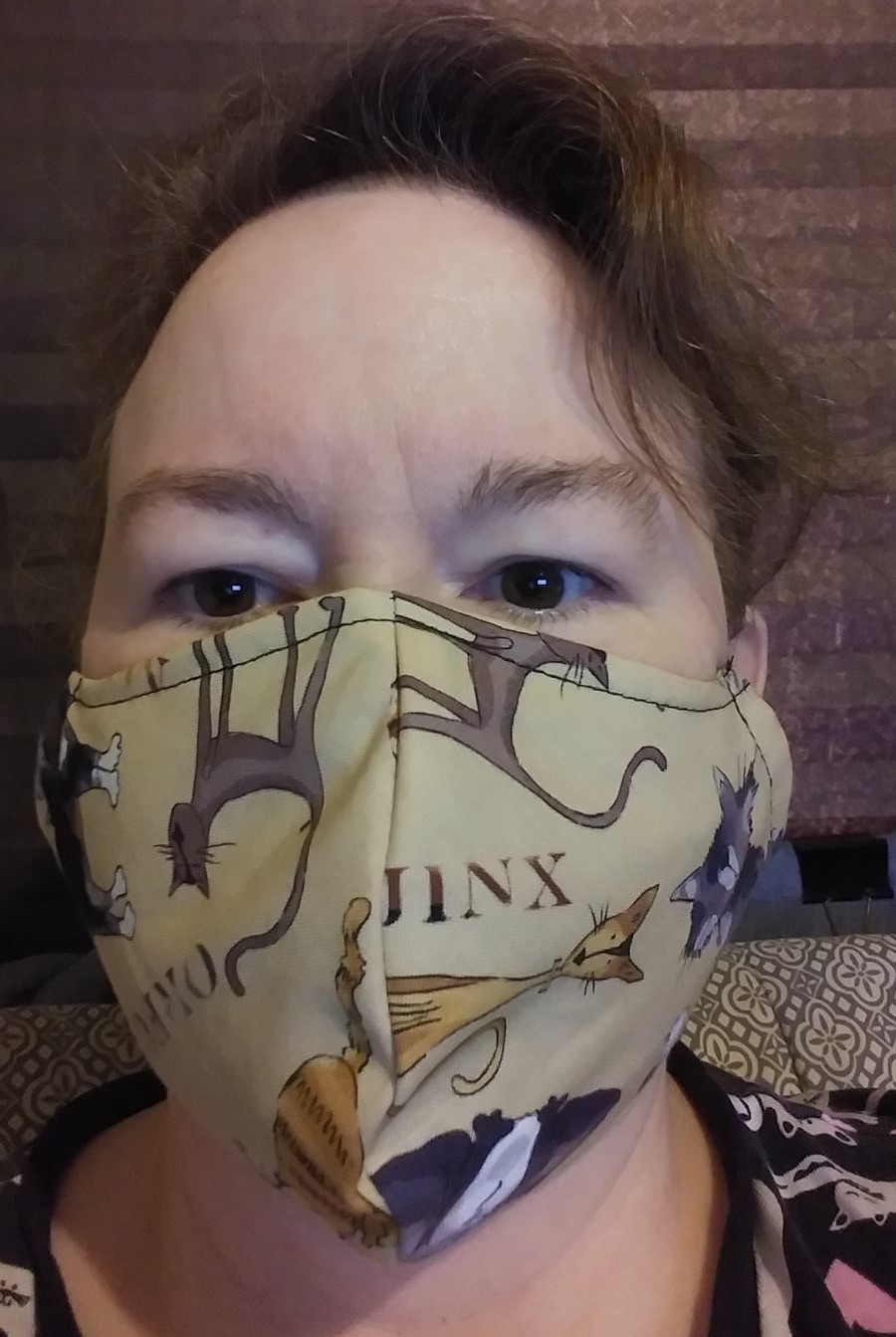
Digging in your heels for no good reason isn’t a good look. If you can’t take the vaccine or you have a legitimate medical reason for not wearing a mask, that’s OK. However, everyone else has to pick up the slack to protect those who can’t do these things. I find it funny that it’s often the same people who scoff at the idea of voting in person being a “mild inconvenience” (there are a lot of reasons it’s not, especially when voting locations are cut) who complain about the actual mild inconvenience of wearing a mask, social distancing or getting a shot to lessen the chances of hospitalization or death from a very contagious virus that’s killed nearly 5.5 million worldwide, more than 820,000 of them in the U.S.
What I wouldn’t give to go back to a pre-covid time, but that’s not going to happen, and the longer some scoff and act like petulant teenagers every time they’re asked to do literally anything to arrest the spread of covid-19 and its variants, the longer it will take for us to get back to life as usual.
But that would leave them one less thing to complain about. We can’t have that, can we?
🎂🎂🎂🎂🎂
Today would have been my brother Corey’s 57th birthday. I can’t help but think of what he might have said about this list. Being a restaurateur, he had more than enough supply-chain issues to deal with on a daily basis, which meant he wouldn’t always have the ingredients he needed.
He would likely have had a lot to say about “new normal,” as he was not fond of many of the public health measures related to the pandemic, and advocated natural immunity over covid vaccination.
However, he’s not here anymore, so here’s what I ask: Mask up in public and isolate as necessary, and if you’re able, get vaccinated. Don’t leave your family to mourn you unnecessarily.
The world is missing too many Coreys. Happy birthday, Bubba; you are dearly missed.


Let’s pray for the day when “post-covid” has been overused and should be ejected.
LikeLiked by 1 person
Amen!
LikeLiked by 1 person
I usually do something on the LSSU list every year, but I’m just too tired to fool with it. Maybe I’m being defensive because I routinely use several of the phrases in casual conversation (Wait! What? and either No worries or No problem.) But I really take exception to their inclusion of “supply chain.” It’s a legitimate term in economics and has been at least since I was in school in the ’60s. Its current use to describe various delays between origin and destination is more accurate than anything else one might say.
LikeLiked by 1 person
Very true on supply chain. I think the main opposition is that it’s overtaken the news and people are just tired of hearing about it.
There are usually at least one of two words or phrases banished each year that I use, but rarely in the way they’re described. I think sometimes the people who send in the nominations are grammar snobs who need a hobby. 😏
LikeLiked by 1 person
Well, I can certainly be a grammar snob myself, and have submitted a few words in the past, although I can’t remember what they were. Probably something that was being grossly misused. This year it would probably be GOAT. Most of my life a “goat” was the butt of a joke, not the Greatest of All Time. But language does change and I’m not in a mood to fight it right now.
LikeLiked by 1 person
GOAT is definitely irritating. Especially when people use it indiscriminately.
LikeLiked by 1 person
😆😆
LikeLiked by 2 people
My Uncle John had to bury his eldest son who died from COVID exactly 1 week before Christmas. His funeral was December 23. Gary was 64.
A RN I taught lost her husband of 11years (age 55) the next day, Dec 19 from COVID.
It disturbs me much that 3 RNs I know refuse to get vaccinated. One is a retired pediatric nurse – we’ve been good friends since ‘74 in nursing school. Her fraternal twin sister who has renal disease & multiple myeloma (doing well) has been vaccinated.
My sister – we can’t discuss COVID. With our last conversation about it, I hung up on her. She was ranting about restaurants wanting to know your private info when they ask for proof of vaccination. She figures they will lose alot of business from people who don’t want to do this.
Finally, a dear friend who is intelligent with 2 Master’s degrees; we worked in home health together & taught nursing together. She had COVID a couple months ago & hasn’t said she had the vaccine since. When I encouraged her to do so once she would recover, she didn’t commit.
Losing any of them would hurt so badly; but, they don’t seem to care about that. Those demanding it’s their right don’t get that it is also the rest of the population’s right to be better protected.
All 3 were staunch Trump supporters.
So interesting now is when Trump advocates vaccination & boosting, he gets booed!
Christmas for so many now is permanently marred by these COVID deaths at that time.
I’m so sorry about your brother & wish you continued healing.
LikeLiked by 1 person
I’ve just been gobsmacked by how much people are prioritizing themselves over the community as a whole, apparently thinking that they exist in a vacuum and that their actions don’t affect others. In public health, they certainly do. I personally would not be able to live with myself if I knew I gave someone a disease they ended up dying from or that permanently disabled them.
I worry about those in health care who refuse vaccination, not just for their health, but how we can trust them with our health in a crisis such as this. I just don’t know how we’re going to reconcile this when Covid isn’t less of a danger.
LikeLiked by 1 person
I totally agree!
LikeLiked by 2 people