
Too much has felt grim lately.

We’re still caught up in the pandemic, with nearly 11,000 deaths in Arkansas alone out of nearly 1 million in the U.S. and over 6 million worldwide. I remain convinced that, had public health not been politicized so completely as the pandemic began, we would have fewer deaths, and be living life almost normally now. Sure, we would still have to take precautions, as we do with flu and other diseases (at least those of us who are concerned that vulnerable people may get ill), but it wouldn’t be treated as a huge imposition on individual rights (because it isn’t).
The war in Ukraine has hit home for even more of us now that journalist and filmmaker Brent Renaud, a native of Little Rock, has been struck down by Russian bullets while in Ukraine, the first journalist killed in the conflict. While I was never fortunate enough to actually know him as friends and colleagues Philip and Karen Martin did, I have long admired the work he and his brother Craig have done, primarily in the news documentary genre, but also their love for cinema itself, leading to the founding of the Little Rock Film Festival, which unfortunately is no longer held. (You can check out some of their work at the Pulitzer Center.) Meanwhile, native Ukrainians in the U.S. worry about those they love who are still in the nation, some of whom they haven’t been able to contact for weeks. While they fret, they watch pundits and politicians in their adopted land cheerleading Vladimir Putin. It doesn’t make sense to a lot of us either.
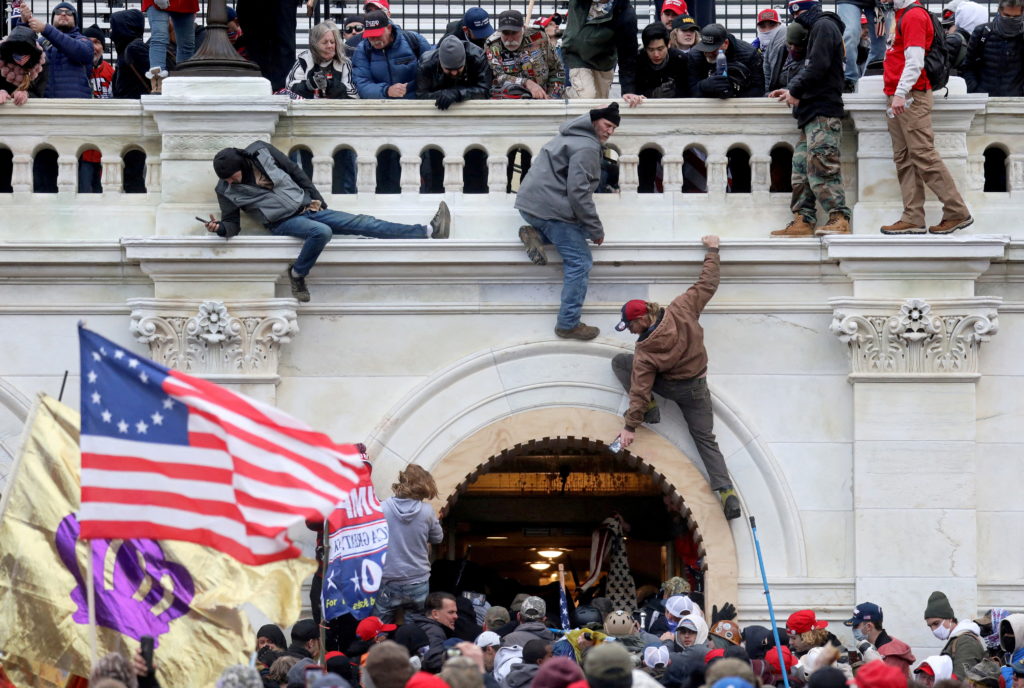
Some are still trying to sell the events of Jan, 6, 2021, as “legitimate political discourse” despite deaths and numerous injuries, guilty pleas and convictions in ensuing cases, the indictments for some on charges of seditious conspiracy, and revelations about the fake-electors scheme to overturn the results of a free and fair election. They continue to claim as a martyr someone who tried to charge through a window into a room at the Capitol and was shot by a Capitol police officer, disregarding that she and others were attempting to run down members of Congress fleeing from the rioters (of which she was one). On the newspaper site, I’m sure the usual suspects will bring up the 2020 protests (some of which turned violent), but those protests were aimed at highlighting the injustice in cases such as George Floyd’s, and hopefully changing the culture to one more fair. Thousands were arrested during the protests, the bulk on nonviolent charges like breaking curfew or failure to follow police orders. Hundreds of more serious cases have been adjudicated (pleas, trials, etc.), and those sentenced (more than 70 as of August) had received an average of 27 months in prison, with several receiving 10-year sentences. The Jan. 6 riots’ aim was to ignore the voters’ wishes and the Electoral College’s count and install the election’s loser as a sort of king. Participants arrived with weapons, tactical gear, flex-cuffs, etc., and some were reportedly willing and ready to commit murder for the cause of keeping Donald Trump in the White House. They are not the same thing.
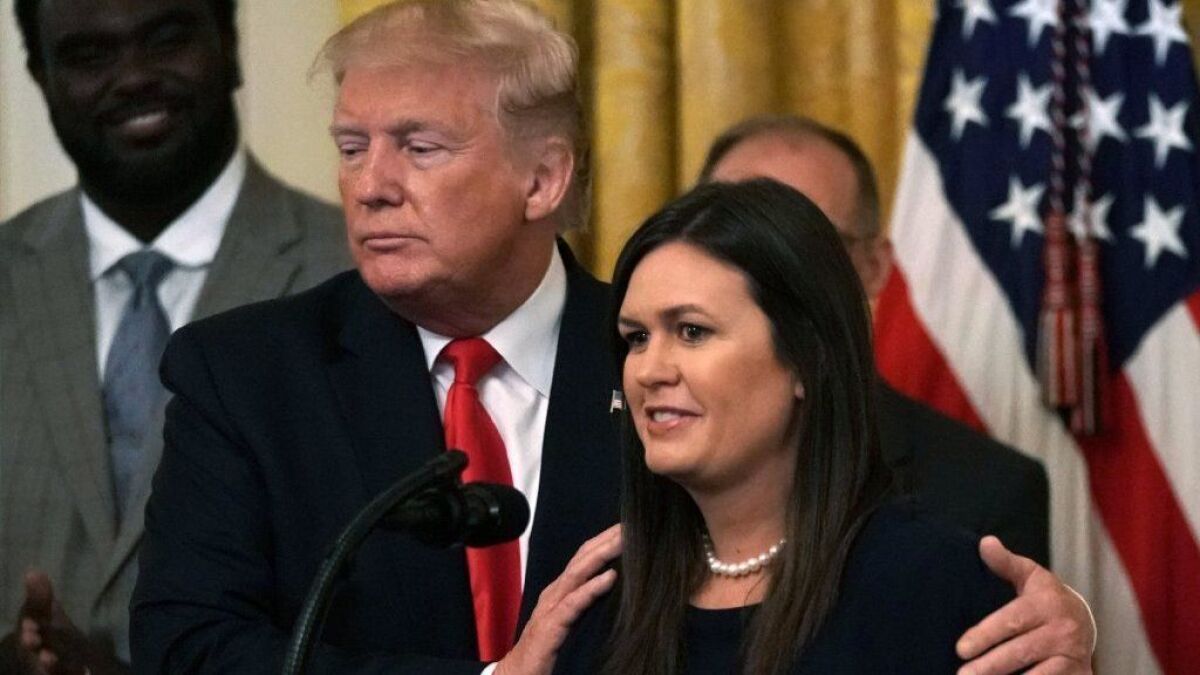
And here at home we have someone running for governor who it seems has yet to articulate just what she plans to do to help Arkansas, other than protect it from the radical left (and hell, most of the time she doesn’t even mention the state, or raise money here). Not sure what that has to do with anything except that when you run on a platform of the other side being scary, it tells me you don’t have anything to offer but fear. Concrete policies that have nothing to do with party are far more convincing to those of us in the unaffiliated masses and give us an indication that you’ve actually given thought to your campaign. That and actually having done more than act as a press flack.
Politics is a common denominator in all of these — or more precisely for most, political labels. Ray Marcano of the Dayton (Ohio, not Arkansas) Daily News wrote over the weekend: “Seems when I write anything about Democrats, I get emails that lambast them as ‘radical left-wing socialists.’ And Lord forbid I write about Black Lives Matter. They’re ‘Marxist.’
“When I get these emails, I write back and ask one simple question: How?
“I never—and I mean never—get a cohesive answer based on fact. I get answers based on labels, which shows me how easy it is for people to buy into a false narrative. Labels make it easy to brand something or someone and help us justify our opposition and rage.”
While we could be rationally discussing things like school curricula (sorry, public school curricula should be determined by education professionals, not politicians or parents; if you want more say in curriculum, there are private schools and homeschool) or public health (that “public” is the important thing; public health rules are there for the protection of all), instead, we label those with whom we disagree and then throw out talking points rather than listen to each other.
Marcano spoke to Vaughn Shannon, a professor of political science at Wright State University, who said labeling “serves some function to rally a group around one set of people and demonizes and [delegitimizes] people who are being labeled negatively. When they belong to a group, they feel more loyal to them, but they also start to feel they can be meaner and crueler to those who are not part of the so-called ‘in-group.’ … People who become group-ish, as it’s called, start to act in this very polarizing way. Nice to the in-group, mean to the outgroup.”
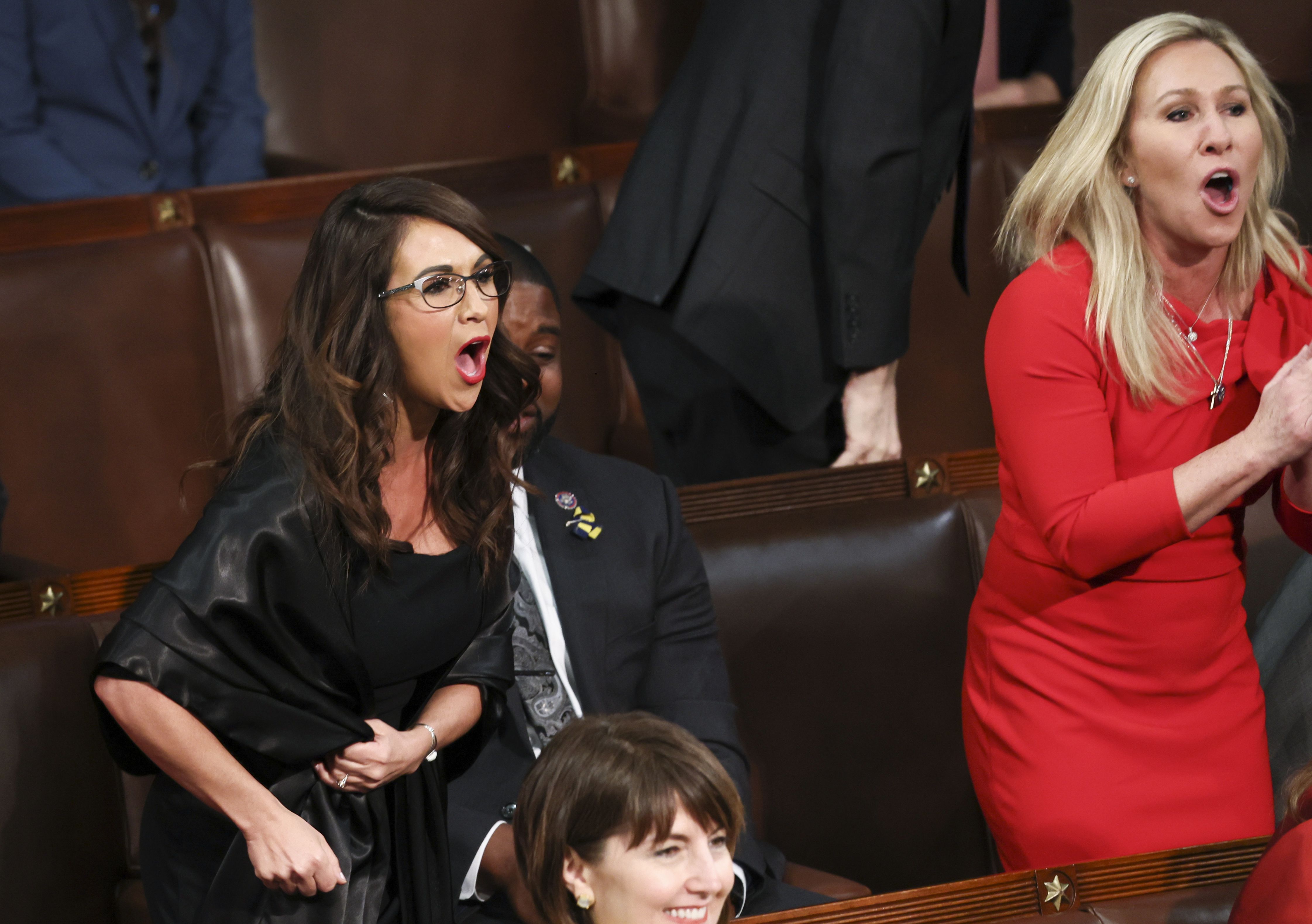
So a lot like high school. I thought the antics at the State of the Union looked familiar.
Labels can be a good thing; they help those of us with food allergies and intolerances know what to avoid, and can prevent the wrong medication being taken. They can also be bad, as they mostly are with politics.
One of the most common practices of late has been to label anyone to the right or left of someone as “radical”; I’m quite often called a radical leftist by some of the commenters on the newspaper’s website, yet I’ve never seen them say just why I’m “radical.” I suspect it might be my promotion of the idea of thinking for oneself when it comes to politics; that’s clearly dangerous in these hyperpartisan times.
Maybe, like Marcano, we should start asking questions when someone deploys a label to find out why they believe those things about whatever person they’ve labeled (likely in an insulting manner).
But we might have to admit we’re not listening to anyone but partisan pied pipers. Then we might have to start (gasp!) thinking for ourselves.
 Serenity is a fuzzy belly
Setting war crimes and politics aside (I wish we could), the U. S. Senate apparently heard our condemnation of Daylight Savings. Just possible that sanity will prevail.
LikeLike
Sanity is over-rated.
LikeLike
I’ve heard that. Mostly from the insane. 😉
LikeLike
Woo hoo!
LikeLike
Since my infamous former sister-in-law’s head has never exploded, I guess that means she never thinks for herself or has learned how to think for herself.
LikeLike
Brenda if you are trying to say that I am insane, I am flattered, honored, and delighted to be paid such a compliment.
LikeLike
🤣
LikeLike
Renaud was a hero, as are all journalists who go into war zones in search of the truth. Cameras and microphones are useless against bullets, but they are effective against propaganda and lies.
LikeLike
They are, which is why Putin and other dictators hate them when they don’t control them.
LikeLike