

It’s been too long since I’ve talked about fact-checking, especially one particularly important bit: primary sources.
When I’ve talked about fact-checking operations like FactCheck.org and PolitiFact (as well as news services like Reuters that publish fact-checks), I usually note, besides the fact that they fact-check across the spectrum, that one of the reasons I prefer them is that they link to their sources. Allowing the reader to see the contemporaneous news coverage, actual documents and other primary source materials that led to the fact-checkers’ findings is a layer of accountability that gives more weight to the fact-check. That plus being open about where funding comes from goes a long way toward determining trustworthiness (as opposed to linking back only to your own reporting/opinion and keeping mum on money matters).
(Even worse are the guys spending all their time doing “fact-checks” of fact-checkers they don’t agree with but don’t really prove their case except for the one that they’re out of touch with reality. There’s a guy whose name I won’t mention because he’s a gadfly; I made the mistake once of mentioning him and his site, which only “fact-checked” other fact-checkers instead of doing independent fact-checks, and he emailed me. I answered his first email but ignored all the others that were just harassment. He wanted me to take back my statement about his site, which I didn’t. Now he doesn’t even do fact-checks anymore, focusing instead on hounding fact-checkers for corrections he thinks should be made.)
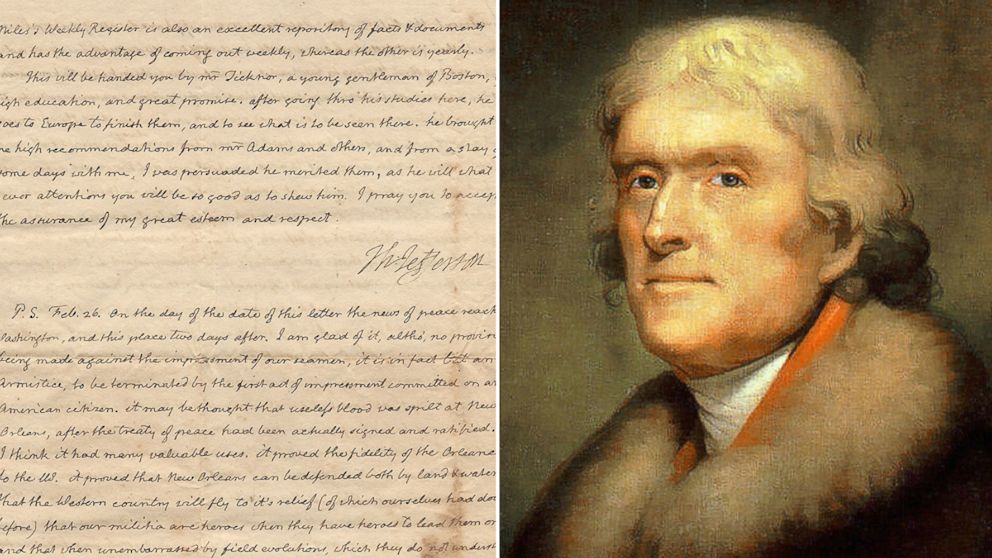
Primary sources are often the difference between truth and myth. While you might believe that Thomas Jefferson said, “My reading of history convinces me that most bad government results from too much government,” primary sources prove that the earliest known appearance of that particular quotation was by John Sharp Williams in 1913, nearly a century after the former president died (you can check Monticello’s research at tinyurl.com/badguv).
Jefferson, Abraham Lincoln, Mark Twain and others have apparently had rather busy afterlives, considering all the fake quotes attributed to them.
But what are primary sources? The University of Massachusetts at Boston’s Healey Library research guide tells us, “Primary sources are immediate, firsthand accounts of a topic, from people who had a direct connection with it. Primary sources can include: texts of laws and other original documents; newspaper reports, by reporters who witnessed an event or who quote people who did; speeches, diaries, letters and interviews—what the people involved said or wrote; original research; datasets, survey data, such as census or economic statistics; photographs, video, or audio that capture an event.
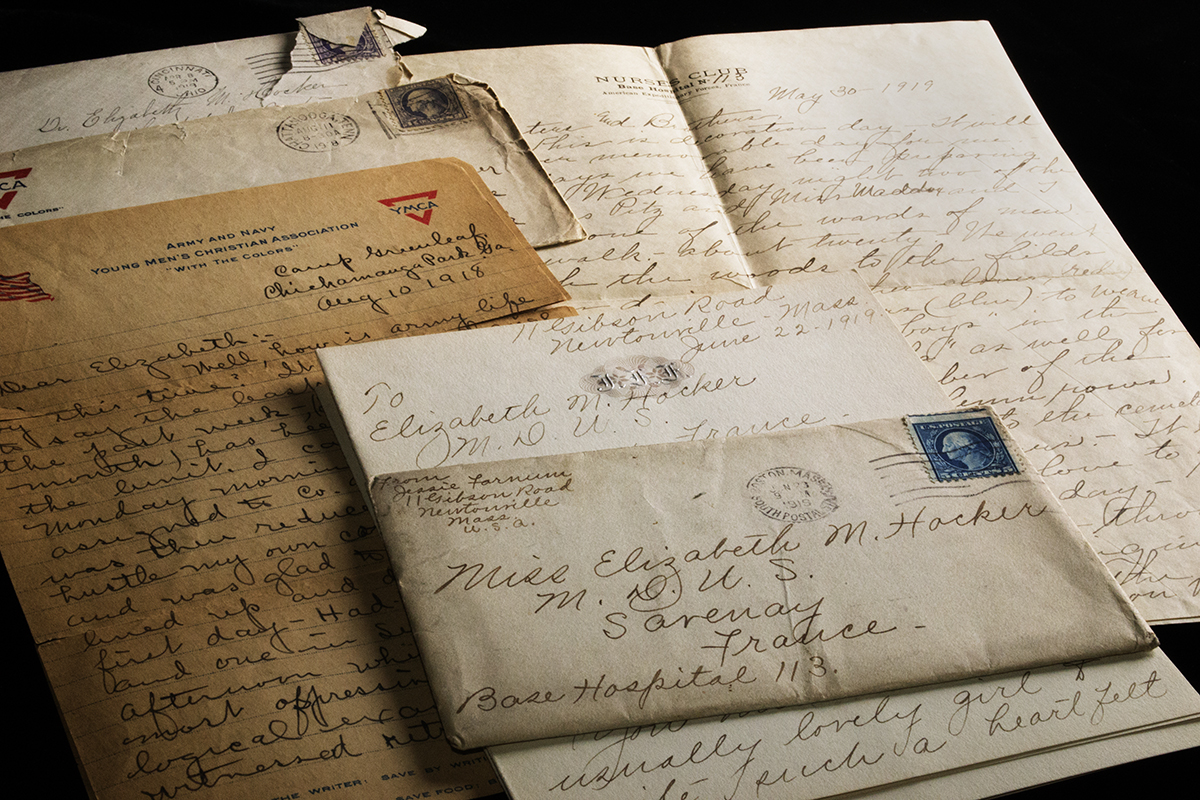
“Secondary sources are one step removed from primary sources, though they often quote or otherwise use primary sources. They can cover the same topic, but add a layer of interpretation and analysis. Secondary sources can include: most books about a topic; analysis or interpretation of data; scholarly or other articles about a topic, especially by people not directly involved; documentaries (though they often include photos or video portions that can be considered primary sources).”
The National Archives website, in its Educator Resources/History in the Raw section, expounds on the importance of primary sources in the study of history, warts and all (believe me; the warts are just as important). “Documents—diaries, letters, drawings, and memoirs—created by those who participated in or witnessed the events of the past tell us something that even the best-written article or book cannot convey. The use of primary sources exposes students to important historical concepts.
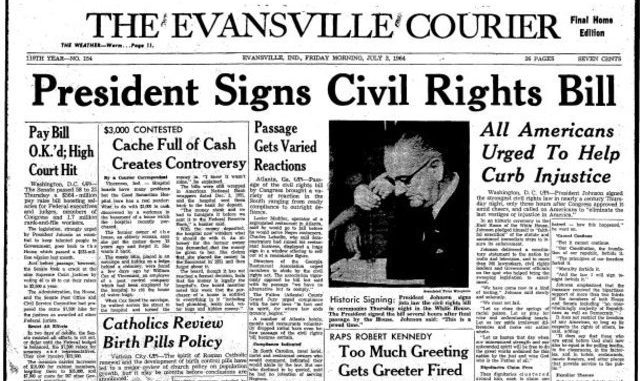
“First, students become aware that all written history reflects an author’s interpretation of past events. Therefore, as students read a historical account, they can recognize its subjective nature. Second, through primary sources the students directly touch the lives of people in the past. Further, as students use primary sources, they develop important analytical skills. To many students, history is seen as a series of facts, dates, and events usually packaged as a textbook. The use of primary sources can change this view. As students use primary sources they begin to view their textbook as only one historical interpretation and its author as an interpreter of evidence, not as a purveyor of truth. …
“Interpreting historical sources helps students to analyze and evaluate contemporary sources—newspaper reports, television and radio programs, and advertising. By using primary sources, students learn to recognize how a point of view and a bias affect evidence, what contradictions and other limitations exist within a given source, and to what extent sources are reliable. Essential among these skills is the ability to understand and make appropriate use of many sources of information. Development of these skills is important not only to historical research but also to a citizenship where people are able to evaluate the information needed to maintain a free society. Perhaps best of all, by using primary sources, students will participate in the process of history. They will debate with teachers and classmates about the interpretation of the sources. They will challenge others’ conclusions and seek out evidence to support their own.”
Ooooh, wait a minute … that sounds an awful lot like thinking. Is that still allowed? Seems to be a “no” here in Arkansas at the moment (teaching students how to think, not what to think, is now called indoctrination) …
With so much information, misinformation and disinformation available now at the click of a button, it’s more important than ever that we foster media literacy, and part of that comes down to knowing the difference between primary and secondary (and tertiary and so on) sources.
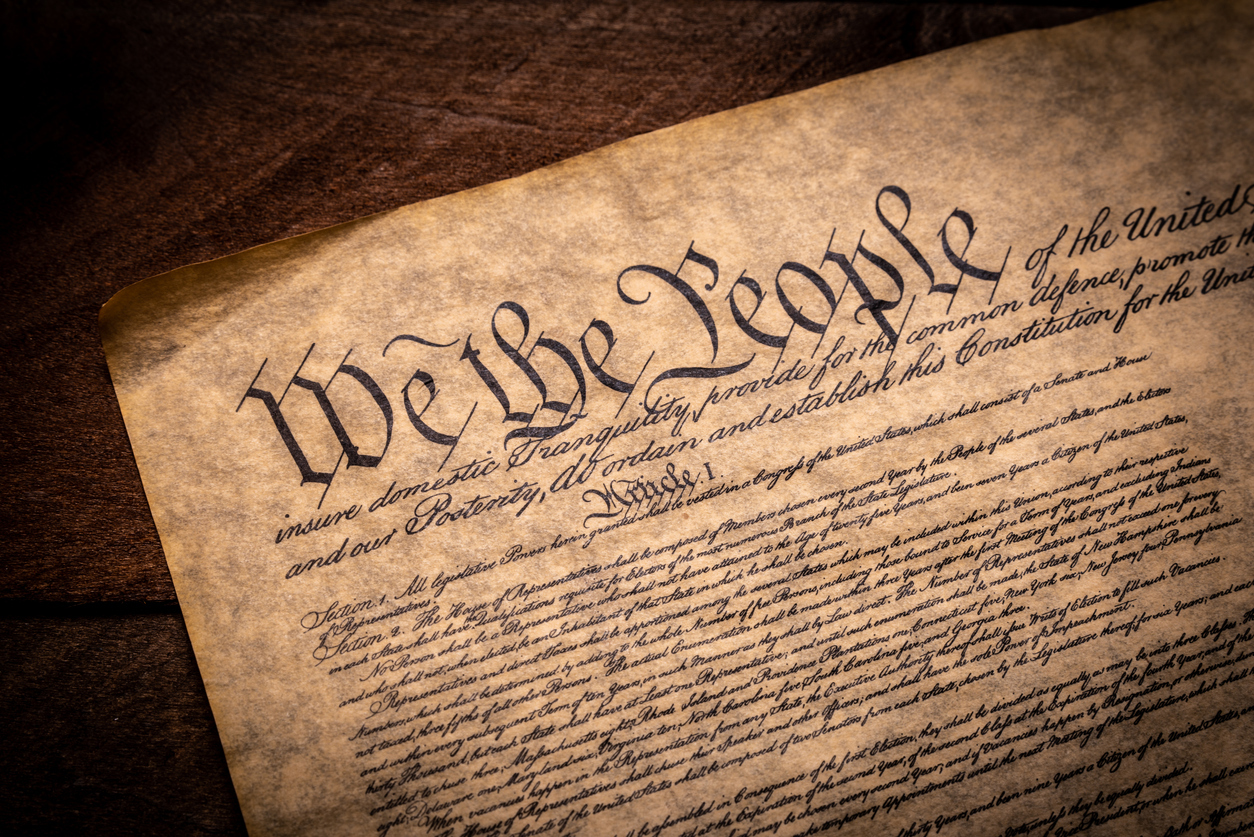
We can say all we want about the Constitution or the Arkansas Freedom of Information Act, but if we aren’t basing it on primary sources (i.e., the documents themselves and the writings of those involved), or we’re basing it on cherry-picked or otherwise manipulated data, our opinion is ill-informed.
And good lord, is there more than enough of that related to politics. Give me strength the next time I see someone copy and paste unattributed bits from a hyperpartisan column about Joe Biden and Ukraine’s prosecutor (dude, you used almost word for word a John Solomon column, and you really thought I wouldn’t figure that out?), or cites the manipulated photo of Donald Trump with poo-stained pants on the golf course as being true.
The truth is hard enough to face sometimes, but it’s where reality lives. We have chocolate and cats here, too. They’re the best things about reality, if you ask me.

 Serenity is a fuzzy belly
Few citizens know that the sometimes friendly adversaries Thomas Jefferson and the president who preceded him, John Adams, died on the same day, July 4, 1826. The two main competing stories documenting Adams’ last words are that he whispered either “Thomas Jefferson survives” or “Jefferson lives.” Would someone please fact check that, for the inquiring minds who want to know?
LikeLiked by 1 person
All I keep finding is the “Thomas Jefferson survives” quote, while noting that Adams was wrong because Jefferson died about five hours before him.
LikeLiked by 1 person
Sometimes, fact checking torpedoes the romantics of it all. For example, Joe Friday never said, “just the facts ma’am.” He actually said’ “all we want are the facts ma’am”, according to IMDB.com. What a disappointment. 🙁
LikeLiked by 2 people
A very good journalism tutorial. Timely, this. Speaking of historians, my favorite is William Manchester. His two-volume history, “The Power and the Glory,” essentially covered the span of his own lifetime, so there’s that. Not exactly prime sources, but close. His prose fairly shouts authenticity.
LikeLiked by 2 people
After reading this post, I am tempted to jokingly and sarcastically ask, “Reality? Duh, whut’s that? Does it have anything to do with “science fiction?”
LikeLike
Then there are the people who dislike and distrust reality so much that they decide to permanently and deliberately stay out of touch with reality. They just want to stay inside and live inside their own little imaginary fantasy world. That sounds suspiciously like some current members of the opposite of Progress in Pound Laundry, D.C.
LikeLike
Thinking for themselves? Shocking! How dare these students actually try to use their brains and think for themselves? We will protect them from this ugly thing called “Reality” by telling them why, where, when, as, and how they are supposed to think. I thought “Indoctrination” was what future doctors learn and are taught in medical school? Said the man who works in a teaching hospital.
LikeLike
Considering how Busy the afterlives of Thomas Jefferson, Abraham Lincoln, and Mark Twain have been, I have to wonder just how Busy will my afterlife be? Or Brenda Looper’s afterlife?
LikeLike
Gee, and here I thought everyone learned about primary sources in school. But I guess it depends on the school … and the person … and the motive.
LikeLiked by 1 person