
There is so much I could talk about this week: As a woman I’m afforded less protection, less agency, under law than men. (That point was really driven home for me by “What the Constitution Means to Me,” which I saw performed last week in Little Rock. You can watch a version with the playwright, Heidi Schreck, on Amazon Prime here.)
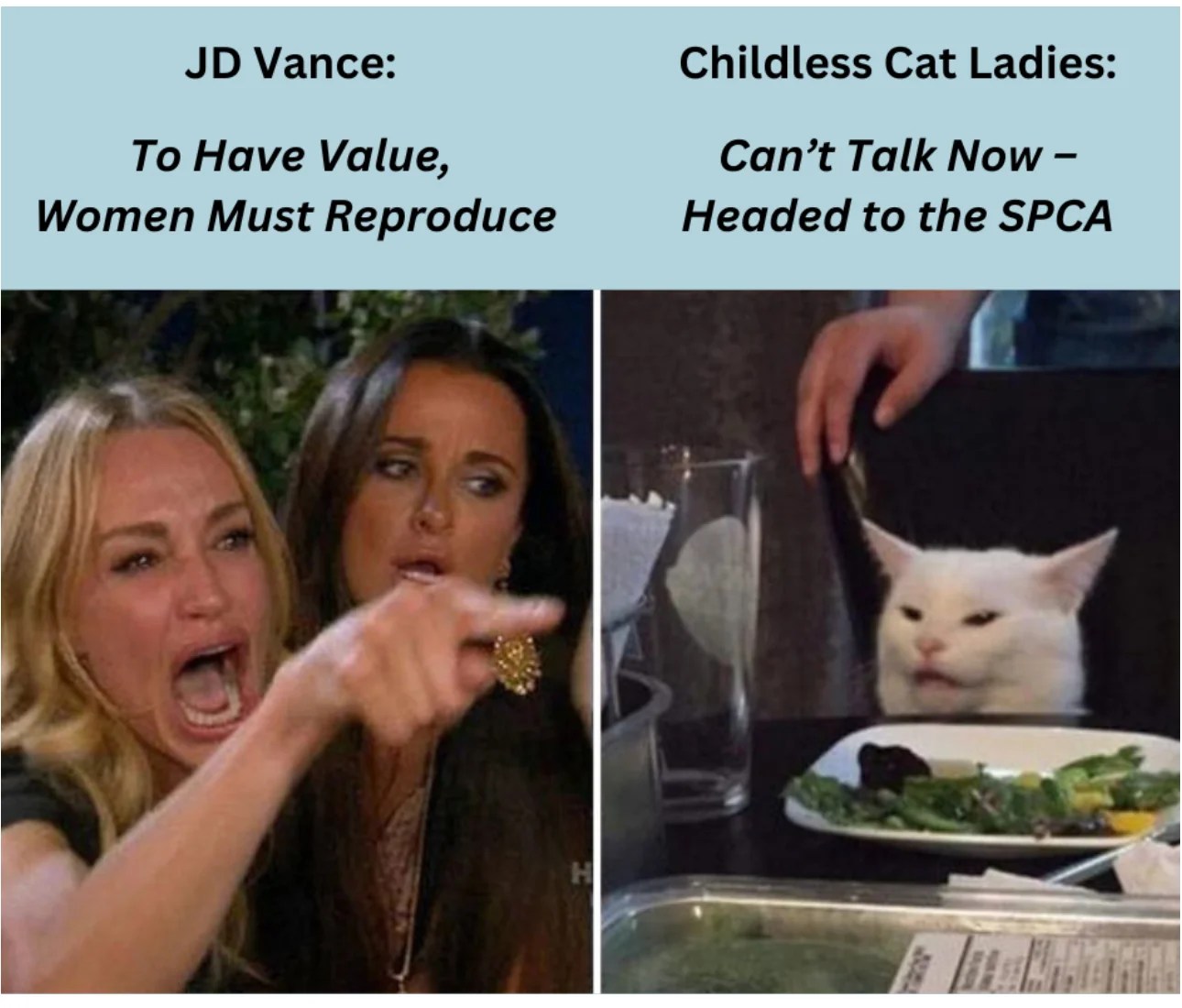
As a childless woman, I’m considered “less than” by some, despite the many things that childless women (and childless men) have contributed to society. As a letter-writer on Wednesday’s page points out, Harper Lee, Florence Nightingale, Sally Ride, Susan B. Anthony and Rosa Parks all had no children, but we can’t deny the impact they have had on our world. And George Washington, for one, did quite a bit to point this country in the right direction despite having no children of his own. There are many reasons people don’t have children, but that doesn’t mean they aren’t capable of great things.
Just being a woman opens me up to harassment and abuse for simply existing. If I had a nickel for every time I’ve been talked down to or demeaned because I’m a woman, I’d be living in a much better house than the Crap Shack, and would be able to afford live-in help. Heck, one of the first jobs I applied for after graduating college was at a TV station in Jonesboro. As part of the process, I submitted scripts and shot sheets for promotional spots on the station. I didn’t get the job (a less-qualified male classmate did), but they used the spots I wrote anyway, right down to the exact wording and shots. I wish I could say that was the last time I was treated like that, but I’d be lying. And now, because I dare share my opinion in a newspaper column, there are trolls who do nothing but make crap up about me.
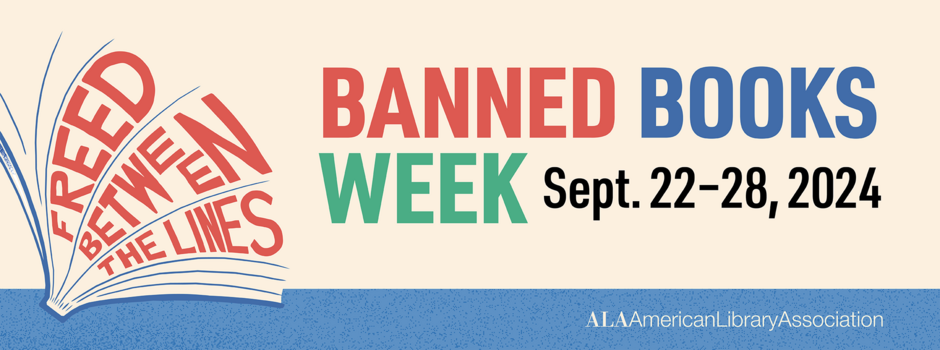
But I’m not going to talk about how hard it is to be a woman in 2024 America. Instead, I’ll give the trolls yet another chance to claim (wrongly) that I’m for porn in libraries. Why? Because this week is Banned Books Week.
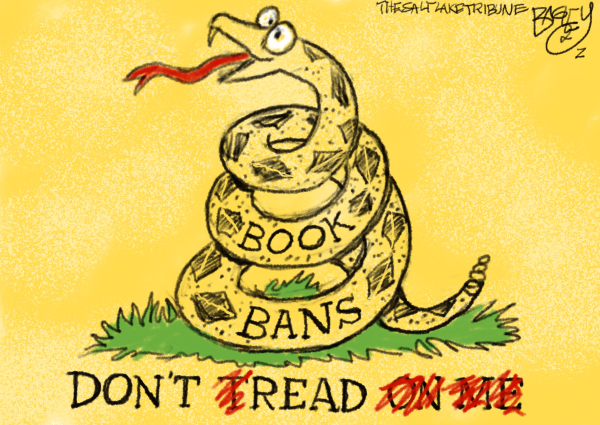
Critics like to assail the idea of “banned books,” noting that few are actually banned, which is true, though in making some books ever-more inaccessible, especially to those who don’t have the means to buy or find them on the Internet, it essentially becomes a ban.
Perhaps the language of “banning” books goes slightly too far, but books have in fact been banned in the United States and colonial America. Thomas Morton’s “New English Canaan” was banned by Puritan authorities in Massachusetts in 1637 because of its harsh criticism of Puritan customs and power structures. “Uncle Tom’s Cabin” by Harriet Beecher Stowe was banned by the Confederacy because of its abolitionist themes. James Joyce’s “Ulysses” was banned because of its depiction of sex, and the judge who originally issued the ban called it “the work of a disordered mind.”
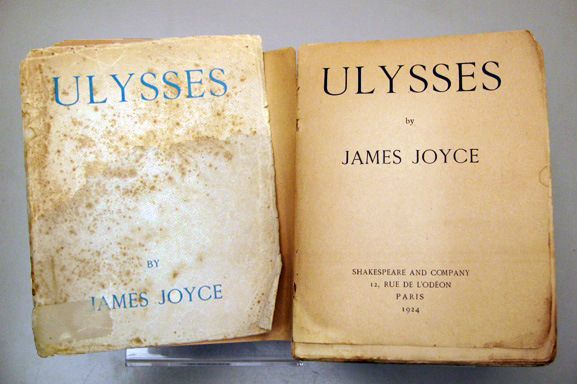
In 1933, according to Amy Brady in a 2016 article on Literary Hub, the federal ban on “Ulysses” was overturned, ushering in a new era of First Amendment interpretation. In overturning the ban, the judge, “who admitted to not liking the novel, found legal cause to challenge the previous judge’s definition of pornography—and by extension, his definition of art. He ultimately ruled that the depiction of sex, even if unpleasant, should be allowed in serious literature.” In 1957, the definition of obscenity was narrowed to apply only to those works “utterly without redeeming social importance.”
The election of Ronald Reagan brought with it a wave of challenges to books, and the first Banned Books week. Chris Finan, director of the American Booksellers for Free Expression, told Brady that though Reagan didn’t run on anti-pornography, his campaign “depowered those who fought for First Amendment freedoms. [His] election encouraged challenges by people who were unhappy with books in schools and libraries that were increasingly realistic in their depiction of life.”
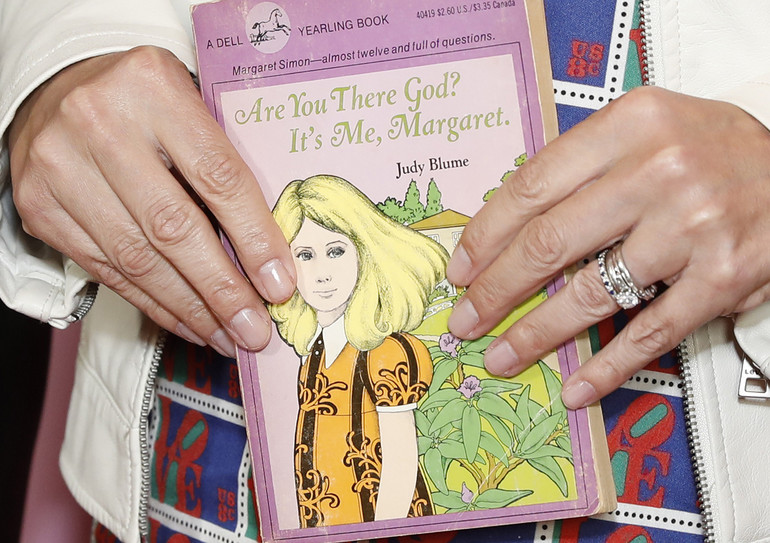
“The number of challenges to books,” wrote Brady, “made by school boards and libraries rose dramatically: ‘Suddenly we were facing 700-800 challenges a year,’ says Finan. In 1982, the [American Library Association] responded to this renewed culture of censorship with Banned Books Week. ‘The point of the event was to get people to understand that these books weren’t pornographic or excessively violent, but simply depicting the real world … and that many were classics of American literature,’ Finan says. ‘Banned Books Week was the first real [American] celebration of the freedom to read.’”
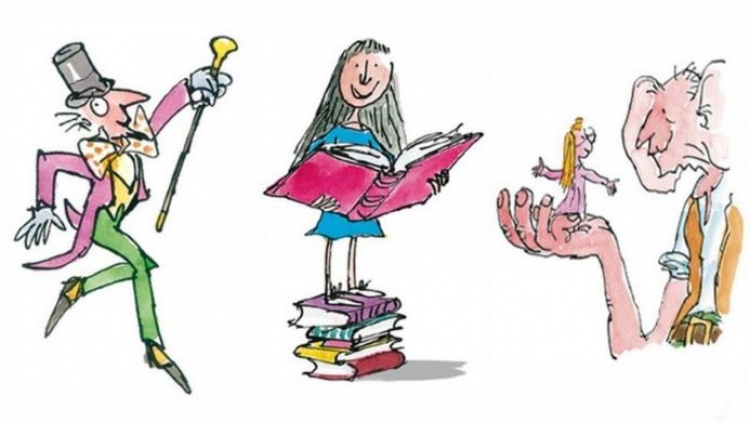
While many of the books most-challenged in recent years have been those on LGBTQ+ themes (because if you just ignore it, it will go away, apparently; yes, that’s sarcasm), books on and by minorities (such as Amanda Gorman’s “The Hill We Climb” … seriously, this makes no sense) have also been challenged. Books that many of us consider classics, like “A Wrinkle in Time” (one of my all-time favorites), “To Kill a Mockingbird,” “The Diary of Anne Frank,” and “The Wizard of Oz” have faced more than a few challenges over the years. I’m not sure if Roald Dahl wrote anything that hasn’t been challenged (how dare he write disparagingly of adults in books for kids!), which makes me like the books all the more, despite any unpleasantness of the man himself (reportedly antisemitic and just a nasty-wasty man, especially later in life).
However, what so many who challenge books (though the majority of those filed are from a few people often challenging dozens at once, according to a Washington Post investigation) seem to forget is that they don’t get to dictate what others read. Yet the American Library Association’s Office for Intellectual Freedom has found since 2020 the number of challenges going up exponentially, with 4,240 unique titles challenged in 2023, compared with 223 in 2020.
Parents are ultimately the responsible parties for their own children, but not others’ children. They can decide that their own child may not read certain books, but they have no right to take away the rights of other parents to allow their children to read those books. (I was reading Stephen King by the time I was a teenager, and had been introduced to that and classic mysteries by my mom. She made sure I could handle the books emotionally and intellectually before letting me run free, but run free I did. She also read Grimm’s Fairy Tales to me before I could read, so I was used to a touch of the macabre. I knew that life was not all sunshine and rainbows.)
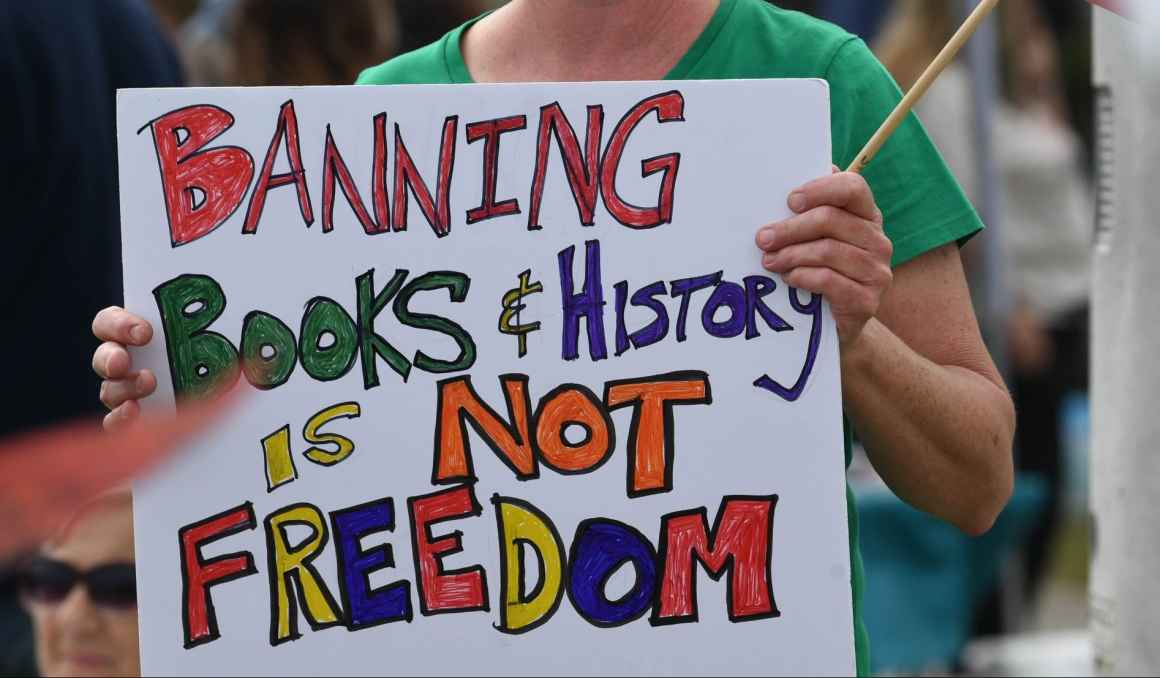
Libraries already have rules about what books are in what sections of the library, and who may read those books, and librarians are trained in the determination of age-appropriateness for classes of readers. They have long had procedures in place regarding challenges to books, and in the culling of volumes (for example, books that aren’t checked out regularly are subject to culling so libraries can make room for books that will be checked out).
Libraries generally have separate sections for children, teens, young adults, and adult readers, and place the books in the correct section with physical separation if at all possible, so there’s very little chance that a 5-year-old is going to be able to access something like “Gender Queer” or “The Bluest Eye” when they’re looking for “The Very Hungry Caterpillar.”
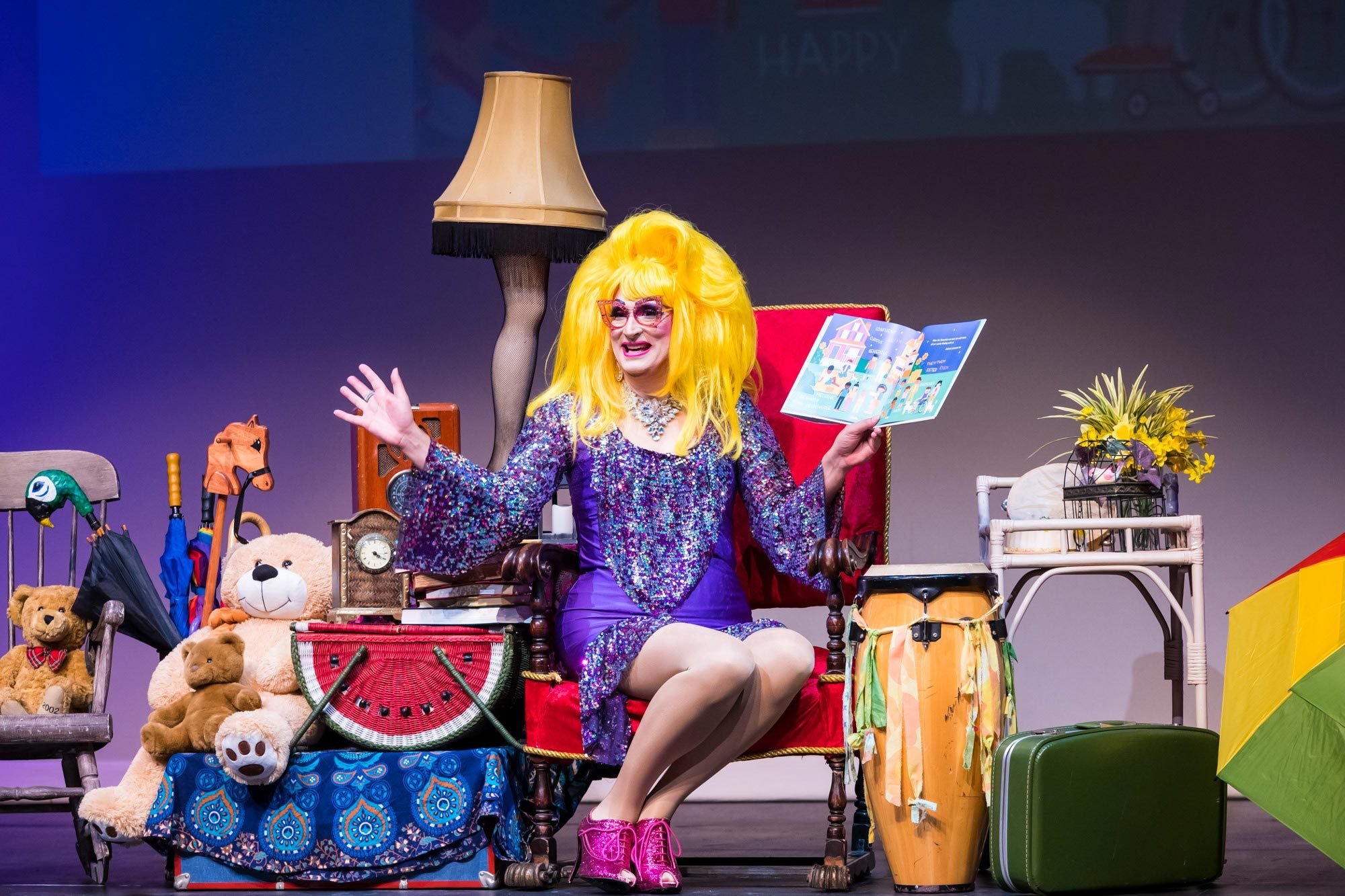
But that doesn’t stop the absolutists from claiming that libraries are grooming kindergarteners by having those books in the library at all in the first place or—gasp—perhaps having a drag queen story hour that’s just like any other story hour headed by someone in costume (do we really have to go over the loooong history of drag in theater?). It’s a performance, darlin’, not a how-to demonstration.
I like to relate the story one of my radio/TV production instructors told of his days working overnight at a television station. He said one night he answered the phone to a complaint from a viewer about a program the station was airing, and he told her there was a knob on her TV that would turn it to another channel, and another knob that would turn it off, and she might want to try utilizing one or the other instead of complaining. Just because something exists doesn’t mean we must pay attention to it. It’s a free country, and we don’t have to watch, listen to or read something we don’t want to, but if others want to, they must be allowed to. Want to complain? Go ahead, but don’t be surprised if you’re ignored.
Conflating fear over drag queens and the LGBTQ+ community in general with children’s books in libraries is a tactic that shows more about the people using it than it does librarians, whose primary purpose is to share the love of reading. (Besides, members of the clergy and others have given more reason to worry about contact with children than drag queens or librarians have.)
It comes down to this: The librarians have their job, and most do it well (I should say very well, considering how many excellent librarians I know). Parents have their job, and most do it well. Librarians are the best judges of age-appropriateness of library materials for all, as it’s part of their training; it’s literally what they are paid to do. Parents get to judge what’s appropriate for their children, and only their children.
Their jobs are not the same, and we need to stop pretending they are.
 Serenity is a fuzzy belly
Here’s a test: Which of the following has killed the most school children?
A. Books
B. Drag Queens
C. Semi-automatic assault rifles
Now, which of these is the right-wing LEAST concerned about.
LikeLiked by 3 people
Right on, baby sister!!!
LikeLiked by 3 people
“but not others’ children” should be in BIG, BOLD letters, red type, underlined, and flashing. I’ve had it up to here with people who think they have the right to tell other people how to run their lives.
A few weeks ago there was a video of a very officious woman speaking to a group of parents at a nearby school board meeting. When a parent questioned her about her decision to ban some library books she said something snarky like “well, there’s always the internet and Amazon.” I wanted to reach through the screen and slap her.
LikeLiked by 3 people
Amen to this, including respect for librarians. My admiration for that profession only increased after noticing that they appear frequently on Jeopardy! General knowledge, truth, understanding, freedom, what’s not to love?
LikeLiked by 2 people
I am a childless man who contributes to society by helping nurses and doctors take care of sick people in a hospital.
LikeLiked by 1 person
If someone told me that my mind was “disordered”, I would consider that to be a great compliment and reply by saying “Thank You” with a big smile on my face.
LikeLiked by 1 person
If people do not like realistic depictions of real life, there is plenty of science fiction and fantasy books which they can read.
LikeLiked by 1 person
I do remember sending a letter to the Arkansas Democrat Gazette with the story of what happened to me when I was fifteen and tried to buy a sequel to “M*A*S*H” at a Waldenbooks in Fort Smith. When I was eleven and we still lived in Chicago, I tried to check out the book “The African Queen” from the local branch of the public library and the librarian would not let me check out this book. I had already seen the movie based on this book. When I was fifteen or sixteen, I found this book in the library at Hall High School and I checked it out and read it.
LikeLiked by 1 person
Then there was that US Supreme Court Justice (Potter Stewart?) who said that even if he couldn’t define pornography, he knew it when he saw it in a movie.
LikeLiked by 1 person
When ragtime music first became so popular in the 1890’s that the so-called “Musical Establishment” noticed it, their attitude seemed to be: “If you just ignore it, it will go away”. Ragtime music is still here and alive and well. There are still lots of musicians who like ragtime and enjoy playing it as well as people composing new ragtime pieces.
LikeLiked by 1 person
An easy solution: If you don’t like the books in your library, don’t read them.
LikeLiked by 1 person