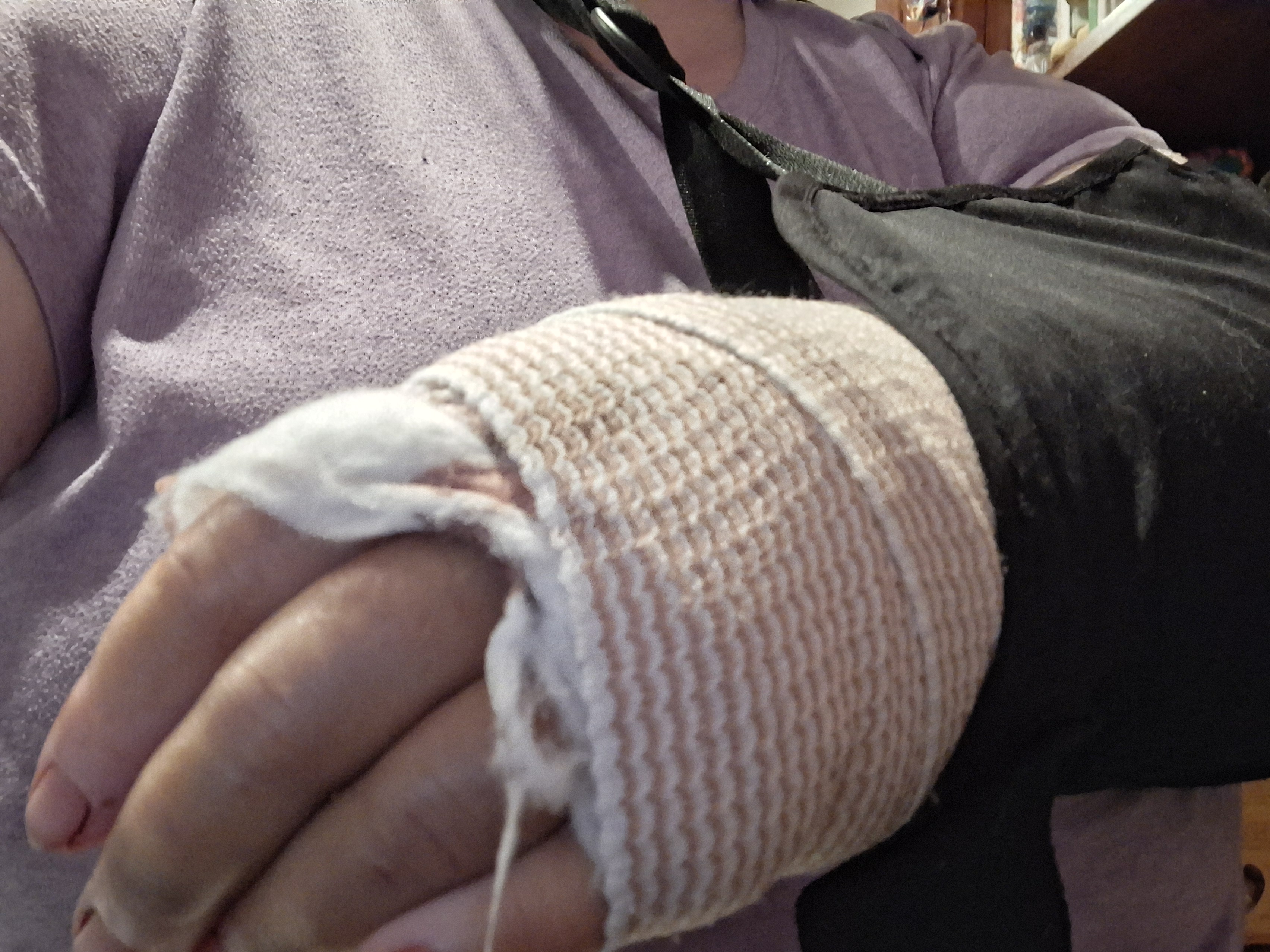
My accident Dec. 1 meant that my intended column on the Oxford Word of the Year had to be postponed. I’m still recovering after my surgery Thursday, but am more than ready to return to my nerdy ways, even though it’s slow-going until my left wrist is no longer immobilized.
Lesson for those like me who tend to load up on things to take to the car, especially when you have concrete steps to navigate rather than flat ground or ramps: Don’t, especially if you have a wheelie suitcase that tends to spin and get away from you, as it could knock you off-balance and result in a very painful accident.
You may notice that yet again, Oxford’s Word of the Year is actually a phrase (its lexicographers consider such phrases as single units, which I guess qualifies them as “words”): “brain rot,” defined as “Supposed deterioration of a person’s mental or intellectual state, especially viewed as a result of overconsumption of material [now particularly online content] considered to be trivial or unchallenging. Also: something characterized as likely to lead to such deterioration.”
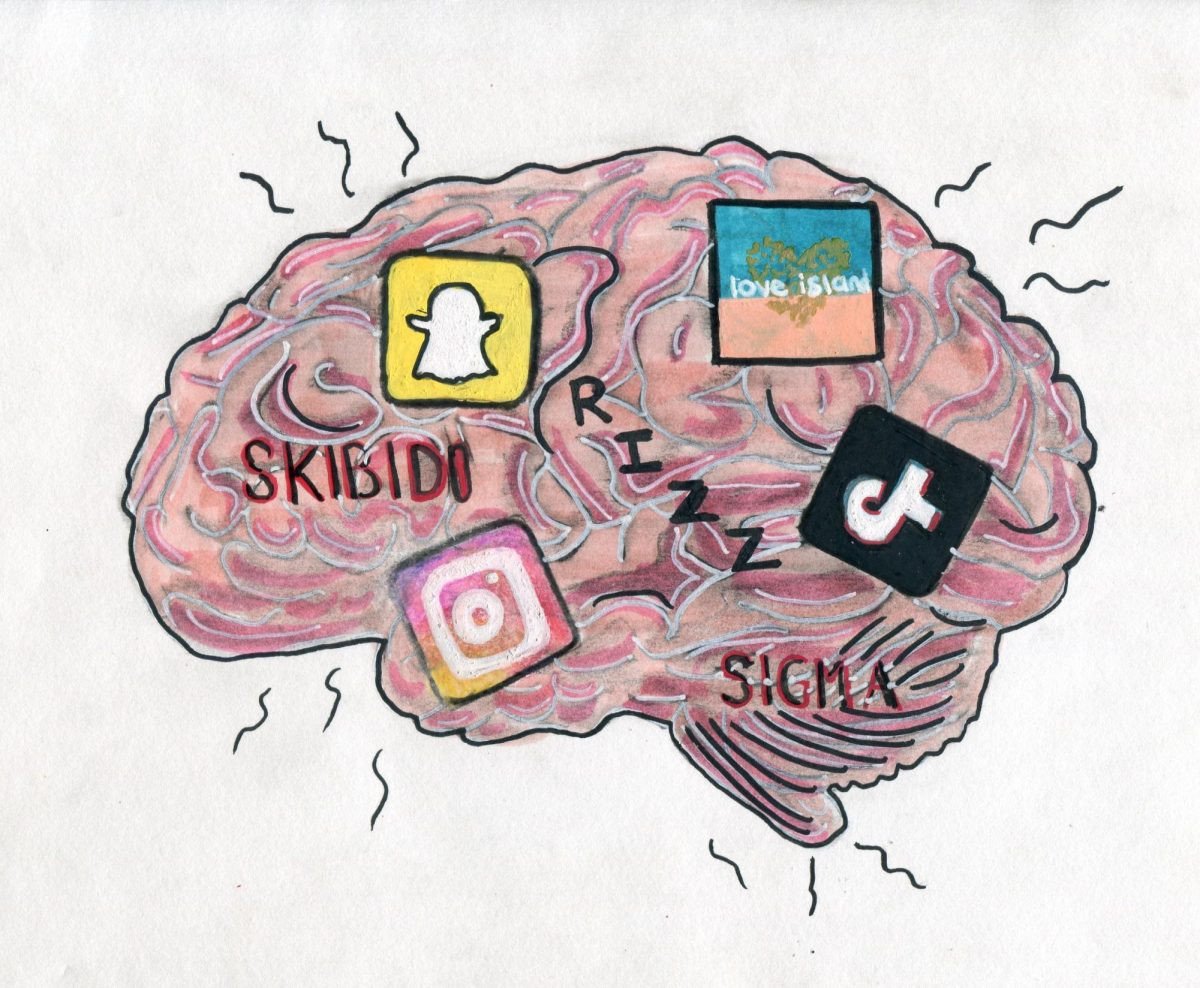
The phrase was chosen after more than 37,000 votes, public discussion, and analysis of Oxford’s language data.
The dictionary noted, “Our experts noticed that ‘brain rot’ gained new prominence this year as a term used to capture concerns about the impact of consuming excessive amounts of low-quality online content, especially on social media. The term increased in usage frequency by 230 percent between 2023 and 2024. The first recorded use of ‘brain rot’ was found in 1854 in Henry David Thoreau’s book ‘Walden,’ but has taken on new significance as an expression in the digital age.”
Casper Grathwohl, president of Oxford Languages, said that the Word of the Year over the past couple of decades has shown “society’s growing preoccupation with how our virtual lives are evolving, the way Internet culture is permeating so much of who we are and what we talk about. … ‘Brain rot’ speaks to one of the perceived dangers of virtual life, and how we are using our free time. It feels like a rightful next chapter in the cultural conversation about humanity and technology. It’s not surprising that so many voters embraced the term, endorsing it as our choice this year.
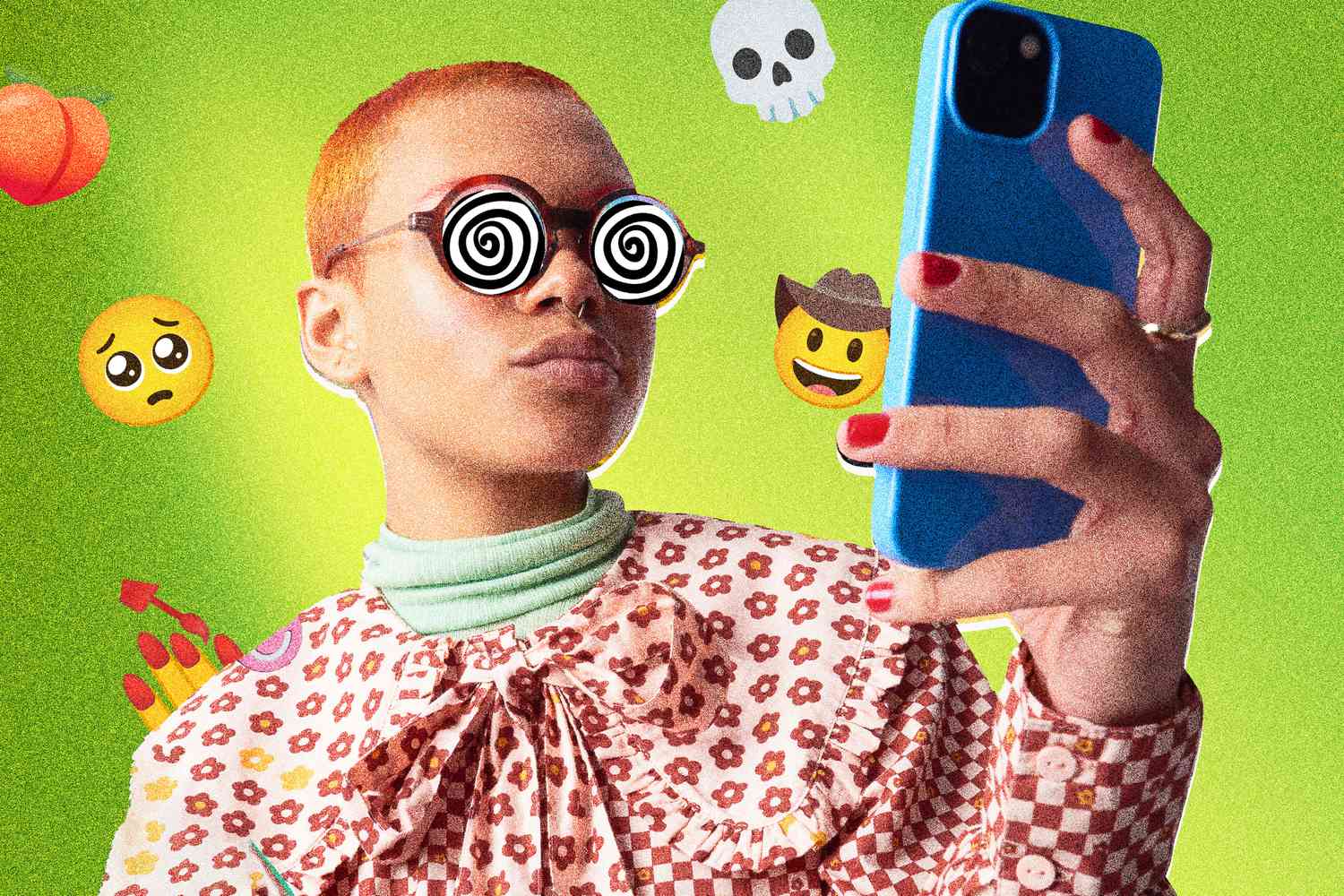
“I find it fascinating that the term ‘brain rot’ has been adopted by Gen Z and Gen Alpha, those communities largely responsible for the use and creation of the digital content the term refers to. These communities have amplified the expression through social media channels, the very place said to cause ‘brain rot.’ It demonstrates a somewhat cheeky self-awareness in the younger generations about the harmful impact of social media that they’ve inherited.”
I see evidence of brain rot from consumption of low-quality information sources all around, especially in the redefining of words to fit political agendas, such as labeling as pejorative (expressing contempt or disapproval) phrases such as “falsely claimed” in news stories, which a recent letter-writer did.
Having spent the better part of two decades on the news side of the journalism industry before moving to opinion, I take exception to that notion. Responsible news organizations show rather than just tell, and if they’re wrong, they correct the record.
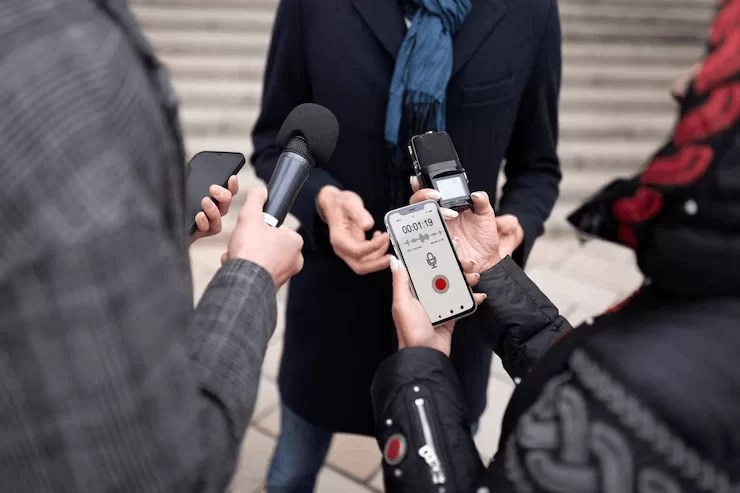
A quick Google search found a September Washington Post story reprinted in the Arkansas Democrat-Gazette that uses “falsely claimed”: “But while [Donald] Trump’s post on Saturday falsely claimed that there was “rampant Cheating” in the 2020 presidential race, Trump’s efforts to overturn his loss in the last election faltered in multiple courts when his lawyers and allies could not produce evidence of widespread voter irregularities. In the nearly four years since, Trump and his allies have failed to substantiate his claims that he lost the 2020 race because of fraud.”
The phrase here and elsewhere is backed up by evidence (of the lack of evidence for the claims). Regardless of the politician, if the phrase is used in a news story from a responsible source, there will be something in the news story telling you why it’s false so that you can be assured it’s not the writer’s opinion.
In May, for example, CNN reported, “For the second time in less than a week, President Joe Biden falsely claimed Tuesday that the inflation rate was 9 percent when he began his presidency.” The story went on to note, “The year-over-year inflation rate in January 2021, the month of his inauguration, was about 1.4 percent. The Biden-era inflation rate did peak at about 9.1 percent—but that peak occurred in June 2022, after Biden had been president for more than 16 months.”
So again, following with evidence does not make the phrase “falsely claimed” pejorative or the writer’s opinion. Now, if no evidence is presented, that’s another thing entirely …
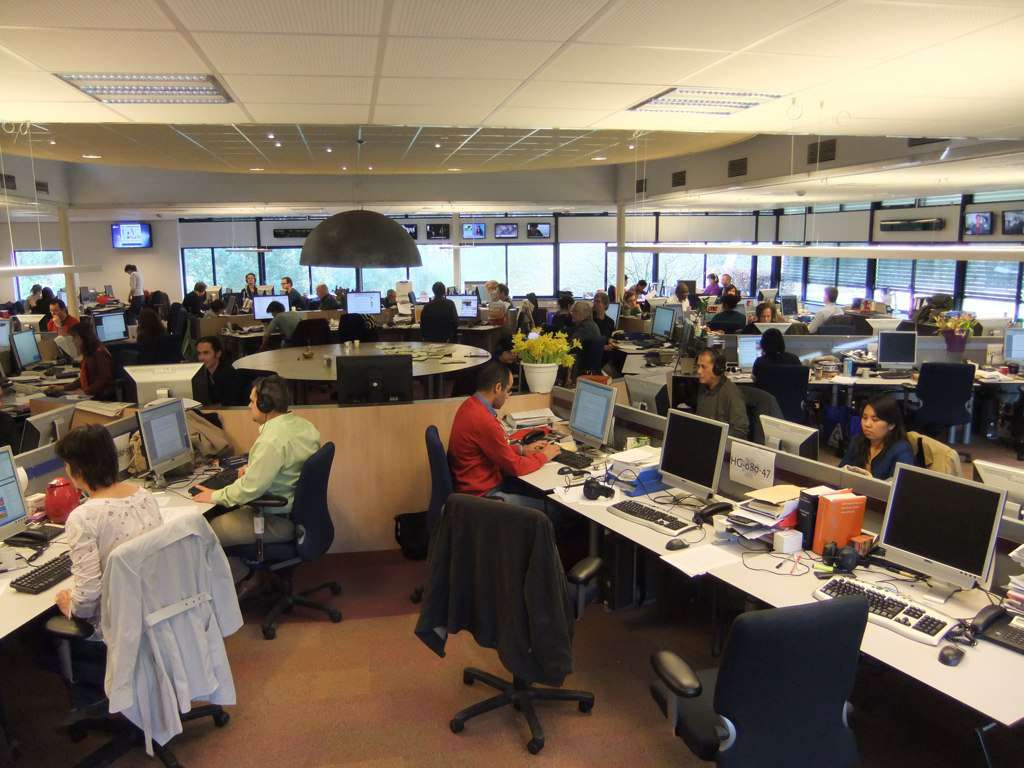
Brain rot was one of six terms that made the short list for Word of the Year. The dictionary’s lexicographers analyze “the English language to summarize words and expression that have reflected our world during the last 12 months … and examine the shifts in how more established language is being used. The team also consider suggestions from our colleagues and the public, and look back at the world’s most influential moments of the year to inform their shortlist—culminating in a word or expression of cultural significance.”
“Demure,” which means “reserved, modest and shy,” was one of the runners-up, having gained new life thanks to the “very demure, very mindful” trend started earlier this year by TikTok influencer Jools Lebron.
Others included “lore,” “A body of traditions and knowledge on a subject or held by a particular group, typically passed from person to person by word of mouth” (in modern usage, it often relates to computer games and online gamer communities); “dynamic pricing,” meaning “the practice of varying the price for a product or service to reflect changing market conditions, in particular the charging of a higher price at a time of greater demand”; “slop,” which is “art, writing, or other content generated using artificial intelligence, shared and distributed online in an indiscriminate or intrusive way, and characterized as being of low quality, inauthentic, or inaccurate”; and “romantasy,” referring to a “genre of fiction combining elements of romantic fiction and fantasy, typically featuring themes of magic, the supernatural, or adventure alongside a central romantic storyline” (think “Outlander”).
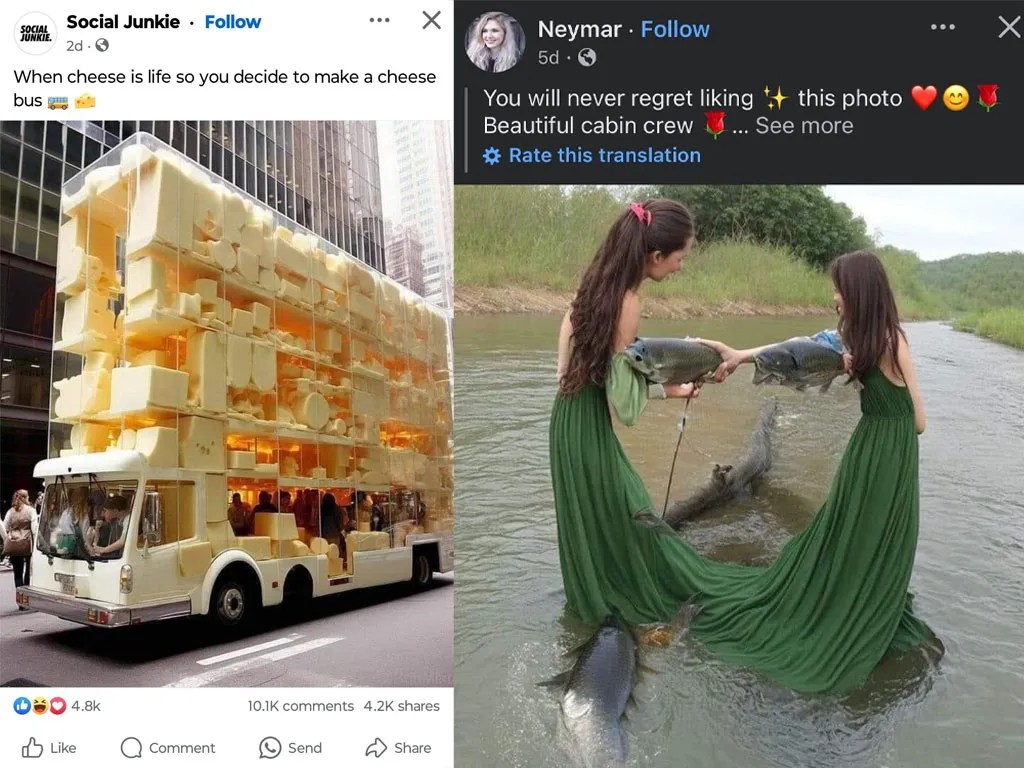
I think of all of those, “slop” annoys me the most. Usually every day on Facebook. Oy.
💜💜💜💜💜
A heartfelt “thank you” must be said to so many people for their help and concern following my accident, from Grady, who saw me fall at my friend’s apartment complex and called 911, to the nurses and staff at Baptist in Little Rock, friends Sarah, Mary, Jim and so many more who’ve stepped up to help me out when I can’t do much on my own.
You are much appreciated, and I will always cherish you.
I’ve also started a GoFundMe to help pay down my medical bills (https://gofund.me/f7787c69) from this adventure, and any donation and/or sharing helps. I’m at this moment a little over a third of the way toward my goal, which is helping alleviate my anxiety.
That and cat pictures will stabilize my sanity, I think.
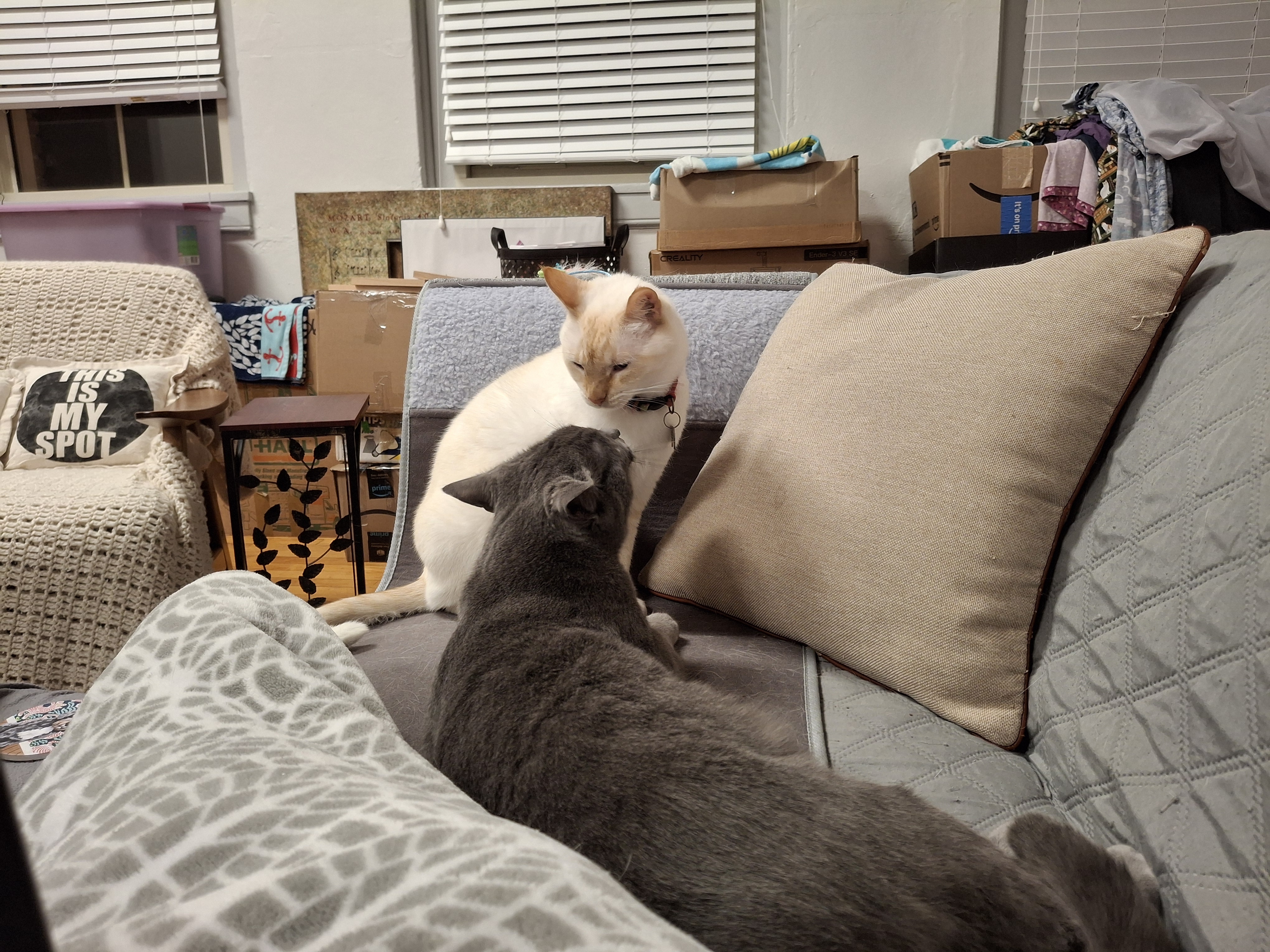
 Serenity is a fuzzy belly
“
“Falsely claimed”? Seems to me people either “mistakenly claim” or they “lie.” I continue to be very annoyed by media sources that won’t call a lie a lie, if in fact, that is the case. Perhaps that would require too much fact-checking.
LikeLiked by 2 people
Either “too much fact-checking” or their mind is made up and they do not want to be confused with the facts.
LikeLiked by 1 person
Take good care of that busted wing.
LikeLiked by 2 people
I was able to wash my left hand a little bit this morning (I think the nail beds will have to be soaked to get rid of all the blood, so that’s out for now). So much bruising is coming out, which could be part of the reason my pain level is a little higher this morning than yesterday. Once this cast comes off and I just have a sling, I know I’ll feel soooo much better.
LikeLiked by 1 person
In a way I can sympathize with Brenda because I had a similar experience when I was in my twenties. I sprained my right wrist in a motorcycle accident and had to wear a plaster cast on my right arm for two weeks while my wrist healed. No I did not like having to wear a cast and Yes I am right-handed.
LikeLiked by 1 person
After reading Oxford’s definition of “brain rot”, I guess I should be surprised and grateful that I still have any functioning brain cells inside my head after playing music and being a musician for approximately sixty years (he said jokingly). However, according to the experts on this subject, listening to music and playing music has positive and constructive effects on our brains because that is supposedly how our brains are “wired” to perceive music.
LikeLiked by 1 person
And speaking of “lore” and music (yes I am going to mention them together whether or not they want to be together), I have learned a lot about music and performing music from word-of-mouth comments from older and more experienced musicians.
LikeLiked by 1 person
If I was a “deaf musician”, I might be asking why Donald Trump was falsely claiming that “rampant cheetahs” influenced and caused widespread (and narrow spread) irregularities and fraud in the 2020 Presidential election. If this was true, I would be asking how the cheetahs escaped from the zoo. Although Brenda said that cat pictures would help stabilize her sanity, I seriously doubt that this type of cat pictures would help her.
LikeLiked by 1 person
Have you SEEN baby cheetahs? They’re frickin’ adorable!
LikeLiked by 1 person
Would you like for us to send you pictures of baby cheetahs?
LikeLike