

I’ve long been a believer in evolution, biological and otherwise. Biological evolution is any genetic change in a population that is inherited over several generations; that could be a butterfly evolving to mimic another butterfly that is poisonous to predators, or a caterpillar that looks like a snake when threatened.
The changes are generally slow and slight and only observable after the fact, perhaps centuries or longer after they started. One could try to speed those changes up, but that would require genetic engineering on a large scale, and we’re not there yet where humans and animals are concerned, for very sound ethical and technical reasons.
Language evolution is similar. However, in the past few decades we’ve seen many, particularly in politics, try to speed up that evolution by engineering forced redefinition of terms, all but demanding that the words be used only in the way they prefer, right now, rather than letting the process continue naturally. Remember, it took centuries for “awful” to change from the broader sense of “being worthy of respect or fear” or “striking with awe” to its current meaning of “bad.”
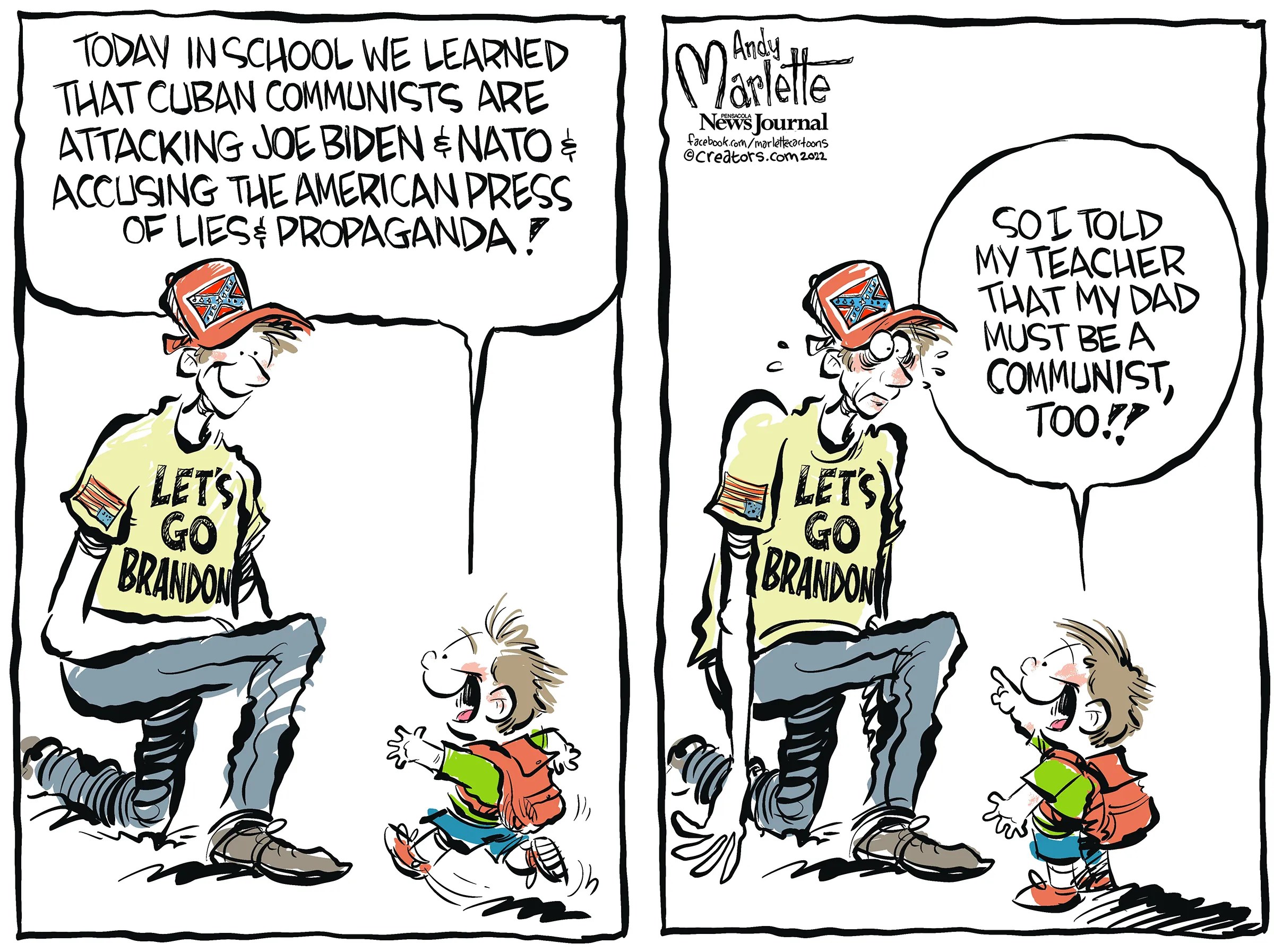
Evolution happens a bit quicker now, thanks to the Internet and social media, which are ripe for exploitation by propagandists. Social strategist Desmond Donovan noted on Medium in 2019 that “definitions of words change based on the ideas that we associate with them. This fact is used heavily in the social engineering world—change a word’s associations, and you change a person’s viewpoint on subjects that involve that word. It works like magic when used right.”
Remember that dictionaries record not how words should be used (prescriptivism, aka grammar snobbery) but simply how they are used at a given point in time (descriptivism, aka word nerdery; is too a word). Propagandists, though, will sometimes force the issue, for good or ill.
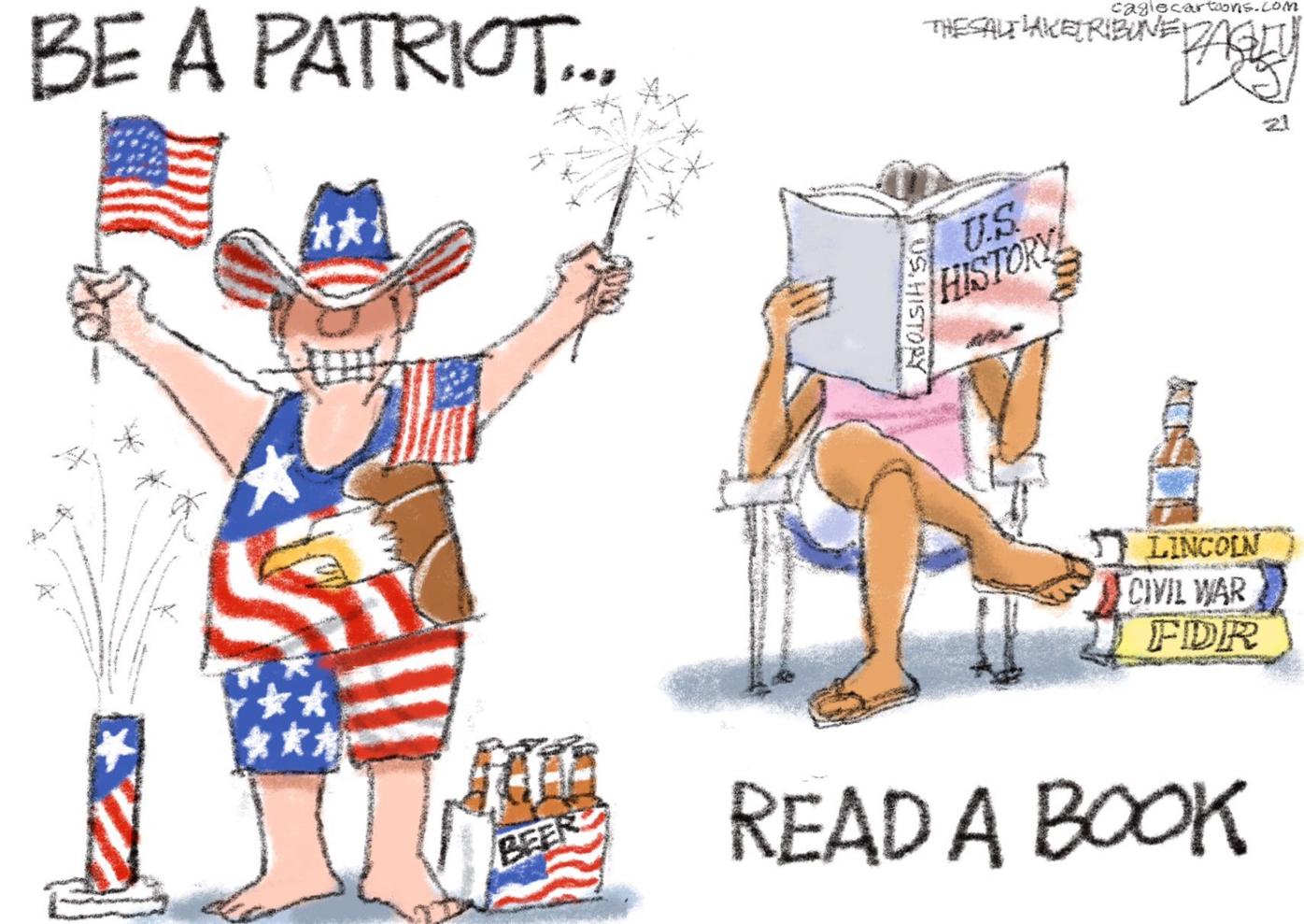
Think of words like “liberal,” “conservative,” “Christian” and “patriot” and you’ll most likely have a ready-made image in mind based largely on social engineering that may have positive or negative impetus. Sometimes it’s done by activists to take back a word from the negative connotations that have developed around it. Donovan brought up an 11th-grade teacher’s admonition in the 1990s of using “that’s so gay,” meaning bad, when contextually it had no relation to “gay,” meaning homosexual. Context matters, and now, thanks to the work of dedicated activists, you’d be hard-pressed to find people who use the word to mean “bad.” Still, that took a couple of decades to do.
Sometimes it’s done by opportunists who want to so muddy the waters that no one can be sure what someone means when they use certain words … apparently because context and nuance require too much thinking and thus clash with talking points.
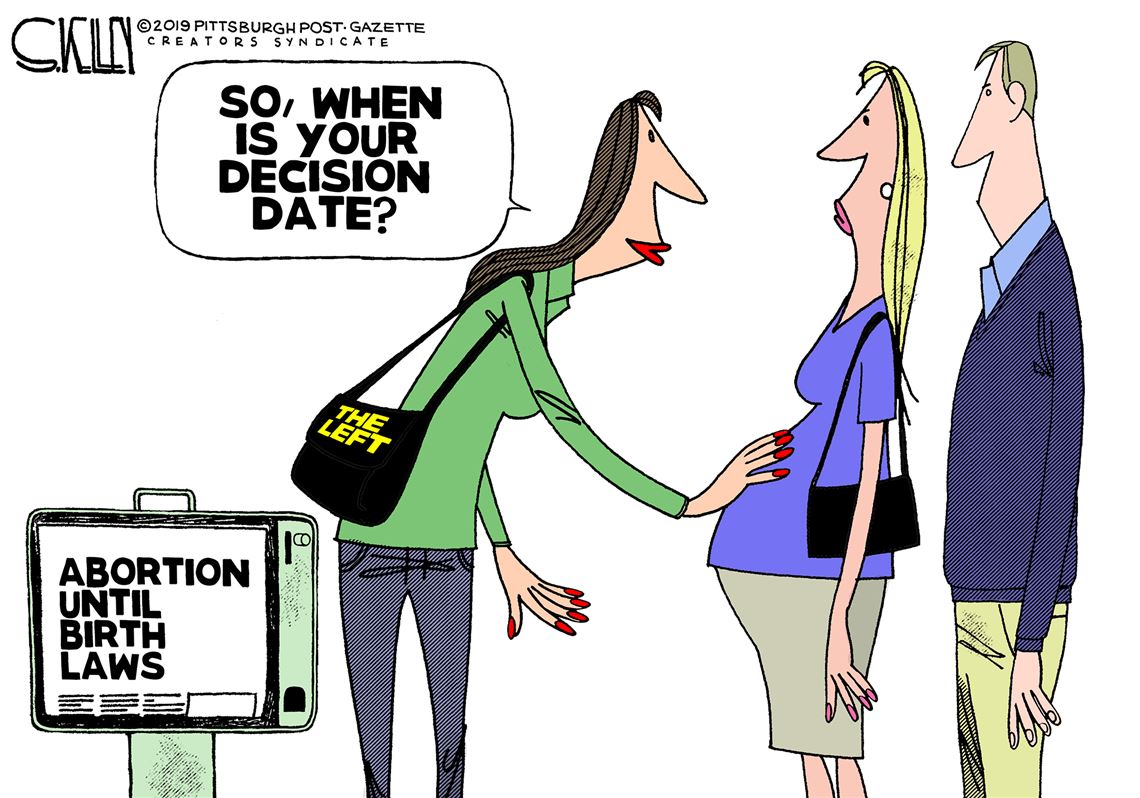
Heck, right now abortion opponents are using this redefinition strategy (basically another version of the “Moving the Goalposts” logical fallacy) to try to claim that abortion-rights supporters believe in abortion up to the point of birth (that inane “due-date abortion” Ronna Romney McDaniel is encouraging Republicans to campaign against). As Washington Post Fact Checker Glenn Kessler pointed out, “Opponents and supporters of abortion rights disagree on basic definitions of ‘birth,’ ‘health’ and ‘late-term’ that influences how one views the numbers. … For many opponents of abortion, the ‘moment of birth’ is not when the pregnancy is full-term — 40 weeks — but when the fetus can survive outside the womb.”
So a wanted pregnancy aborted after 22 weeks or so would be, to these people, a “due-date abortion.” They already muddied things up with “late-term abortion” when late-term refers to pregnancy, not abortion, and means nothing medically (and maybe the fact that people have pointed this out is why they’re going for the “due-date abortion” strategy now). Which is why medical professionals are the ones who should be determining medical terminology, not activists and lawmakers (ahem, it’s fetus, not “preborn baby”). By the way, Transportation Secretary Pete Buttigieg gave the perfect answer to a question about “late-term” abortion and defining terms back in the 2020 campaign. Do yourself a favor and read/watch it here.
“Word associations create ideas in people’s minds. They are sometimes false. Used long enough, the definitions change,” wrote Donovan. And that’s what it seems some are intent on doing with other words in the English language.
We’ve seen this over words like “democracy” and “republic,” with hyperpartisans on both sides seemingly verklempt at the idea of using a word that is contained in the name of the opposition. I have bad news for them: “Democracy” as a catch-all is correct, and so is “republic,” as our constitutional republic is a form of … democracy (oooh, scary). Democracy can be direct (though that really only works with small populations) or representative.
The Online Etymology Dictionary defines democracy as “government by the people, system of government in which the sovereign power is vested in the people as a whole exercising power directly or by elected officials; a state so governed.” It defines a republic as a “state in which supreme or executive power rests in the people via representatives chosen by citizens entitled to vote.”
Whadya know … related!
So please, those of you having hissy fits whenever someone calls the U.S. anything but your preferred label, or even—gasp—democratic republic, calm down. Need I remind you that one of the first two major political parties formed in the United States was called the Democratic-Republicans?
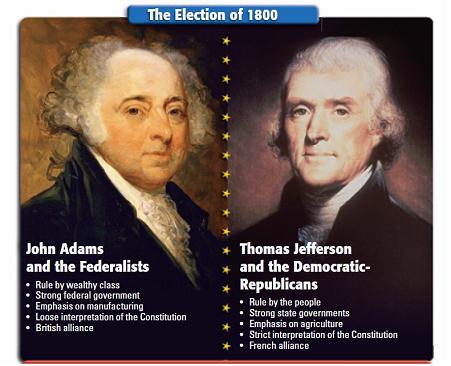
Neither “democracy” nor “republic” is inherently something negative, so get over yourselves and stop trying to make them so. We have enough of that propaganda from places like North Korea (it’s certainly not a democratic people’s republic despite its official name).
🗳️🗳️🗳️🗳️🗳️
Speaking of democracy, remember that early voting begins next Tuesday in Arkansas for the general election. Make sure you’ve researched the candidates and issues so that you can make an informed vote.
You can find a voting guide for the state ballot issues at uaex.uada.edu. The Arkansas Public Policy Center, part of the University of Arkansas System’s Division of Agriculture, has been providing research-based nonpartisan analyses of public policy issues for over a decade. As it says on its website, its goal “isn’t to tell citizens what to think, but rather to increase their knowledge and awareness of public issues and participation in decisions regarding those issues.”
Knowledge really is a good thing.



When I took a general biology class in college, the instructor told us that the evolutionary experts were disagreeing on whether or not evolution occurs quickly from one generation to the next or is evolution a gradual process which occurs over several generations.
LikeLike
Since I am a male human being, I try to avoid saying anything about abortion except to say that I think it should be legal and available for all women.
LikeLike
With our government, we need a balance between too much capitalism and/or too much socialism. On Facebook, I recently reminded people that socialism means you do not need to bring your own highway when you travel somewhere. Some people did not like this comment.
LikeLiked by 2 people
They’ve succumbed to the scare word. The reason our system works is because it’s a mixture of things from other systems. If we didn’t have pooled resources to pay for things like roads, police and fire protection, the inequality of resources would be very stark. Most of us wouldn’t be able to afford such things.
LikeLiked by 1 person
I would prefer a “British Alliance” because I can understand their language more easily than French. Like the man said, “Je ne parle pas la Francais.”
LikeLike
“Propaganda”? I thought that was Father Goose as in Poppa Gander?
LikeLike
A long time ago before society evolved into its present form, “Gay” actually had a third meaning: lighthearted, happy. There is some irony there.
LikeLiked by 2 people
Jim beat me to it, but we’re of the same generation. “Gay” for us first meant cheerful, carefree. I’m glad I don’t publish dictionaries!
LikeLiked by 2 people
Luckily those lexicographers put some thought into whether a definition needs to be changed because it’s been long enough with enough people using it that way. I’m not sure that the “bad” meaning ever made it in to anything but slang dictionaries. Of course, there are those who think “gay” is inherently bad; they also think it’s a choice. 🙄
LikeLiked by 1 person
I’m grateful for slang dictionaries. They sometimes enlighten when standard dictionaries do not.
LikeLiked by 2 people
I still think the band DEVO had it right. Instead of evolving and improving, human beings are going in the other direction and de-evolving.
LikeLike