

Since Saturday is the 250th anniversary of our nation, I would be remiss not to talk about the true meaning of patriotism, especially at a time when so many are espousing a Christian nationalistic version that belies the ideals of our forefathers.
I was in kindergarten in the lead-up to the bicentennial, and remember loads of events we participated in (I seem to recall making Uncle Sam hats, but can’t remember if we did the beards as well). I’m sure somewhere in my grandma’s pile of photos there are images of parades that year; I know for a fact there are pictures of me in a Christmas parade with a sack over my head as a reindeer (poor families make do). Nanny and Grandpa’s house will be sold soon, so I’m hoping my niece manages to get out all those photos beforehand.
At 5 and 6 years old, I was the perfect age for imparting a sense of blind patriotism, where we truly were the greatest country in the world, and George Washington really did chop down that cherry tree, but dang it, he admitted it. Later I’d find out that the history I was taught when I was younger was massaged, dumbed down and, in the case of George Washington and the cherry tree, fully made up (shame on you, Parson Weems).

But here’s the thing about loving your country: Just like loving a person, you accept and acknowledge the good and the bad parts because they make up the whole. When we teach the history of our nation, we shouldn’t ignore or downplay Manifest Destiny, slavery, the Trail of Tears, the red scare, Jim Crow or other unfortunate (about the nicest word for it) chapters in our history when we assuredly were not living up to the ideals our founding fathers had for us as a new nation.
But from mistakes, you learn. Or you should, anyway. Those who learn and aim to do better become better people, and so do nations that accept, make amends and try to do better than before.
I’m grateful that in high school I had Mike Elsken as my history and civics teacher, who first introduced me to the concept of jingoism (an extreme form of patriotism/nationalism that usually involves aggressive foreign policy/war-making that seems to be making a comeback here now … woo hoo), and to college professors like Dr. Alexander Sydorenko, whose World Civ and other courses taught me to take the long view of history, the better to learn from it and hopefully not make the same mistakes (you can learn a lot from studying failed civilizations, dictatorships, etc.; I learned so much in my honors course with Dr. Sydorenko on the collapse of communism while it was actually happening).
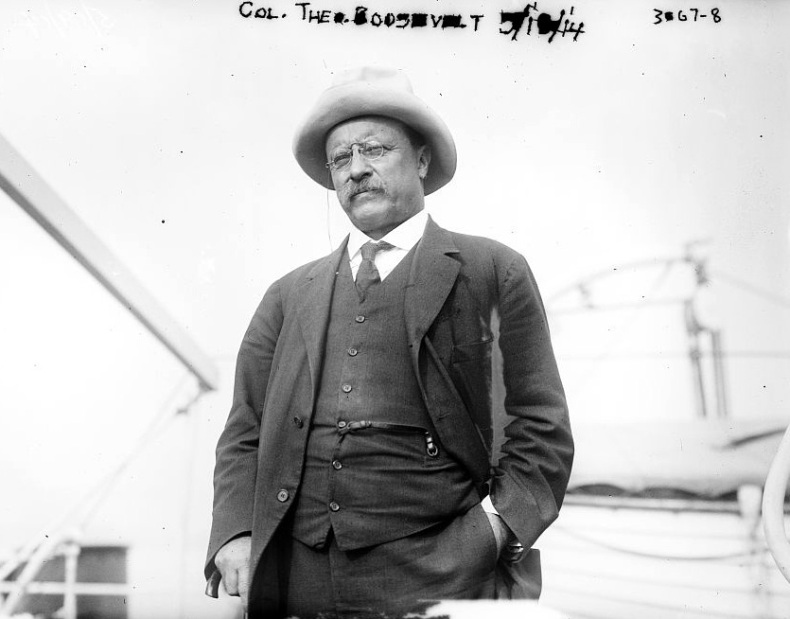
I’m also grateful to great thinkers and leaders like Theodore Roosevelt, whose words I often reach for in times like these, especially concerning patriotism (while his “big stick” philosophy fell squarely in the jingoist camp, his post-presidency writings show his evolution).
In his 1918 book of essays “The Great Adventure,” Roosevelt wrote:
“Patriotism means to stand by the country. It does not mean to stand by the president or any other public official save exactly to the degree in which he himself stands by the country. It is patriotic to support him in so far as he efficiently serves the country. It is unpatriotic not to oppose him to the exact extent that by inefficiency or otherwise he fails in his duty to stand by the country. In either event, it is unpatriotic not to tell the truth—whether about the president or anyone else—save in the rare cases where this would make known to the enemy information of military value which would otherwise be unknown to him.”
Roosevelt often advised a constructive patriotism, one that hews to the ideals of our nation while at the same time holding leaders accountable, being aware of our flaws, and working actively toward a better day, as opposed to the blind patriotism many of us were taught when we were young, and which is often employed by politicians to try to convince us that they have the country’s—and our—best interests at heart. But their love of country often only extends as far as party lines and flag pins, with the other side portrayed as an existential evil that will kill the nation.
And people wonder why I claim no party. I really don’t understand that. Oh well …
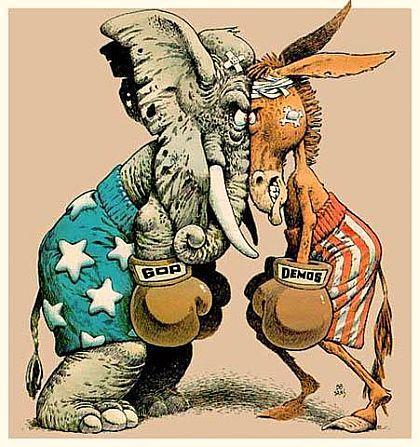
The United States I love is a nation that recognizes its flaws and finds ways to correct them, even if it ends up taking years longer than it should. We’ve mostly moved past the thinking that inspired Manifest Destiny and its displacement of indigenous populations (remember, they were here first, not Europeans), and finally enabled women and people of color to vote (it took a while longer for Native Americans, especially on reservations, to get that right, which is part of the reason turnout lags in that demographic). While there is danger on the horizon, marriage equality has finally been granted not just to interracial couples, but to same-sex couples as well. Women still lack as much protection and opportunity in the workplace (or salary) as they should get to be equal to men, but great strides have been made.
But jingoists/nationalists we will always have with us, those who embrace the idea of rolling back hard-won rights for those they consider to not be “true” Americans, who believe that might makes right in foreign policy and domestic affairs (and that being louder than the opposition makes them right), and who would prefer that only the like-minded be able to vote so have no qualms about making it harder to cast a ballot or get a citizen-led initiative on the ballot. (What is it about people like this being afraid of everyday citizens having a say in how they’re governed? I wonder …)
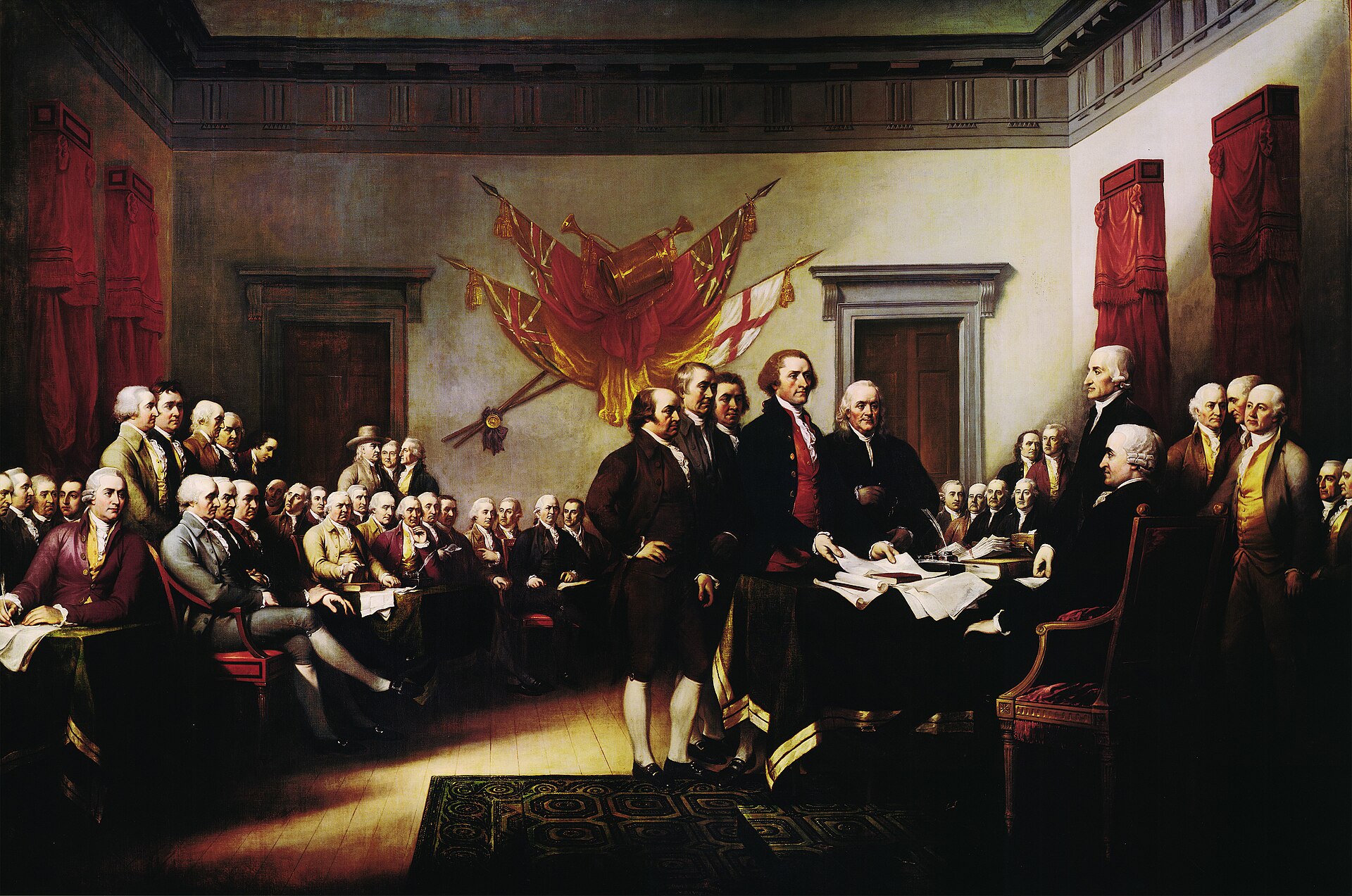
I have to hope, though, that there are still enough Americans out there who understand that when one segment’s rights are threatened, all are threatened. They’ll fight to ensure that what our founding fathers envisioned on July 4, 1776, endures for more than 250 years (which, if they saw D.C. and the man-child who would be king right now, they’d probably seriously doubt; yikes).
I think that would make Thomas Jefferson, Benjamin Franklin, George Washington and all the rest smile.


When people (and other critters) on social media try to accuse me of not being sufficiently patriotic, I usually manage to shut them up by telling them I am a Navy veteran who works at a Veterans Hospital helping to take care of my fellow veterans. This works most of the time.
LikeLiked by 1 person
Speaking from experience, cutting down a cherry tree (or any other tree) is hard work even when you have someone to help you. When I was thirteen, we lived in a house which had a wood stove for heat. Yes we had to cut up and make our own fire wood.
LikeLiked by 1 person
Speaking of slavery, I am wondering how many other people who are reading this are descended from slave owners–such as myself.
LikeLiked by 1 person
The only party I would like to claim is one which has a lot of live music–as opposed to brain dead or half dead or undead or half alive music.
LikeLiked by 1 person
Babylon is a real concept. Babylon eats its own. Babylon is a leader on the stage of geo-political performances. Even some of the Israelites did well economically under Babylonian dominance. (…elementary attempt at capsulizing the essence of world history.)
LikeLiked by 2 people
I had a career in the U.S.N and always enjoyed being a part of something good and pure. Born in 1937 I grew up during WWII in a nation fighting for life, liberty and happiness again evil Nazis and buck-toothed Japs. I knew nothing of Japanese-American internment camps and draft-dodgers. It was a Norman Rockwell world. The Viet Nam war was a game-changer for me, as was Watergate. I marvel at the history I’ve seen, thanks to historians and journalists like you, Brenda. What’s going on now with Iran is, in a word, appalling. Truth is painful.
LikeLiked by 2 people
I was born just a couple of years after Jim, and yes, things like Watergate were shocking. I remember thinking, “The President of the United States can lie!? Damn, if you can’t trust the President, who in the world can you trust!?” And more recently, similar thoughts about the Supreme Court. I’m heartsick at the thought of what my grandkids must think were “the good times.”
LikeLiked by 2 people
Pingback: Past imperfect | Serenity is a fuzzy belly