
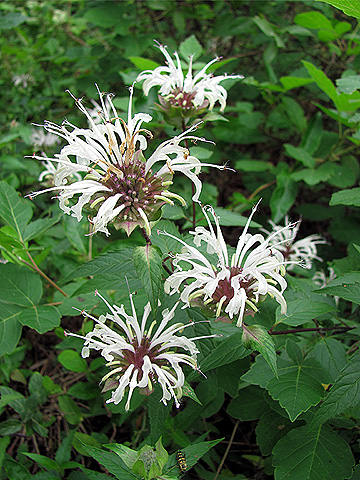
Once upon a time, I enjoyed summer. Of course, I was a kid then. Who wouldn’t like months off from schoolwork (and yet I still spent a lot of time reading books like the nerd I am, usually in a hidden area in the corner of the yard surrounded by arching branches and honeysuckle vines), evenings chasing lighting bugs, days spent splashing in creeks near my maternal grandparents’ house, and picking wildflowers to my heart’s content? Add in watermelon and home-churned ice cream, and it was just perfect.
That was then. I started souring on summer probably during the camping trip I spent, first, covered in leeches, and then with a very bad sunburn (we didn’t go to a doctor because we were poor, but it was at least a second-degree burn). After that trip, I refused to go camping (nearly drowning a few years before didn’t do it, but that did), and would spend that time with my paternal grandma in Fort Smith and my cousins who lived a few blocks away from her. She lived behind her church, there was a grocery store only a short walk away, and my cousins’ house was near a burger joint we liked to go to in summer. What wasn’t to like?
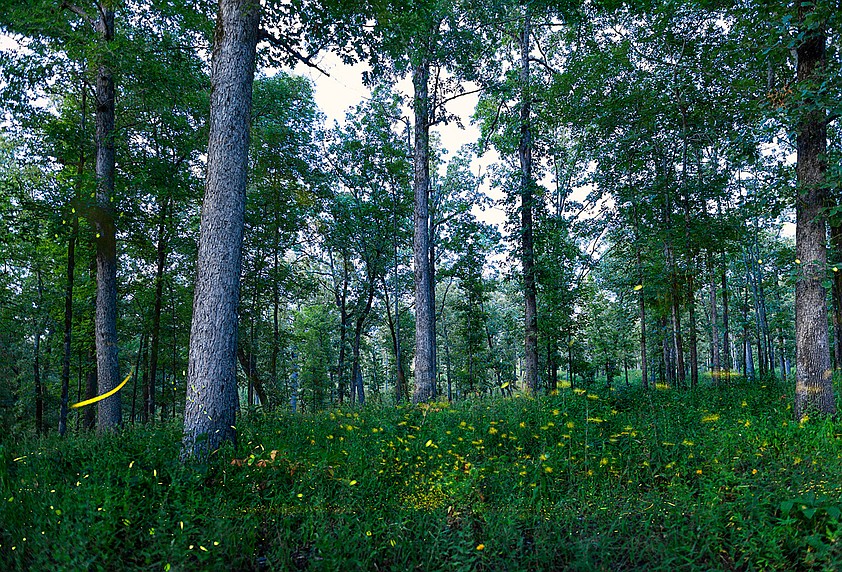
I still love watching lightning bugs in my backyard, but usually I watch from the comfort of indoor air conditioning. There are no creeks near me now, and my grandparents’ home, where my oldest brother spent his final days, has been auctioned off, so there are no homes back home to draw me back. I’ll always love wildflowers and home-churned ice cream, but more often I get my ice cream in a carton. As for watermelon, well, I lost the taste for that somewhere along the way. We used to have watermelons all the time, usually sitting in the carport to reduce the mess, because my grandparents grew them in their garden, but there can be too much of a good thing. Sure, the urge to eat it might come back, like peanuts and peanut butter did (I still remember the pile of peanut plants drying out in the corner of the garden), but I sorta doubt it will.
Times change. And the summers of my youth were nowhere near the unremitting heat of the summers now, even though there were years we had little or no air conditioning, and the storms we get now are more fierce than before. But sure, climate change isn’t a thing. (One of the trolls on the newspaper’s website by now is dealing with rising blood pressure because of this trigger. I will trigger him even more before this column is done. It amuses me.)
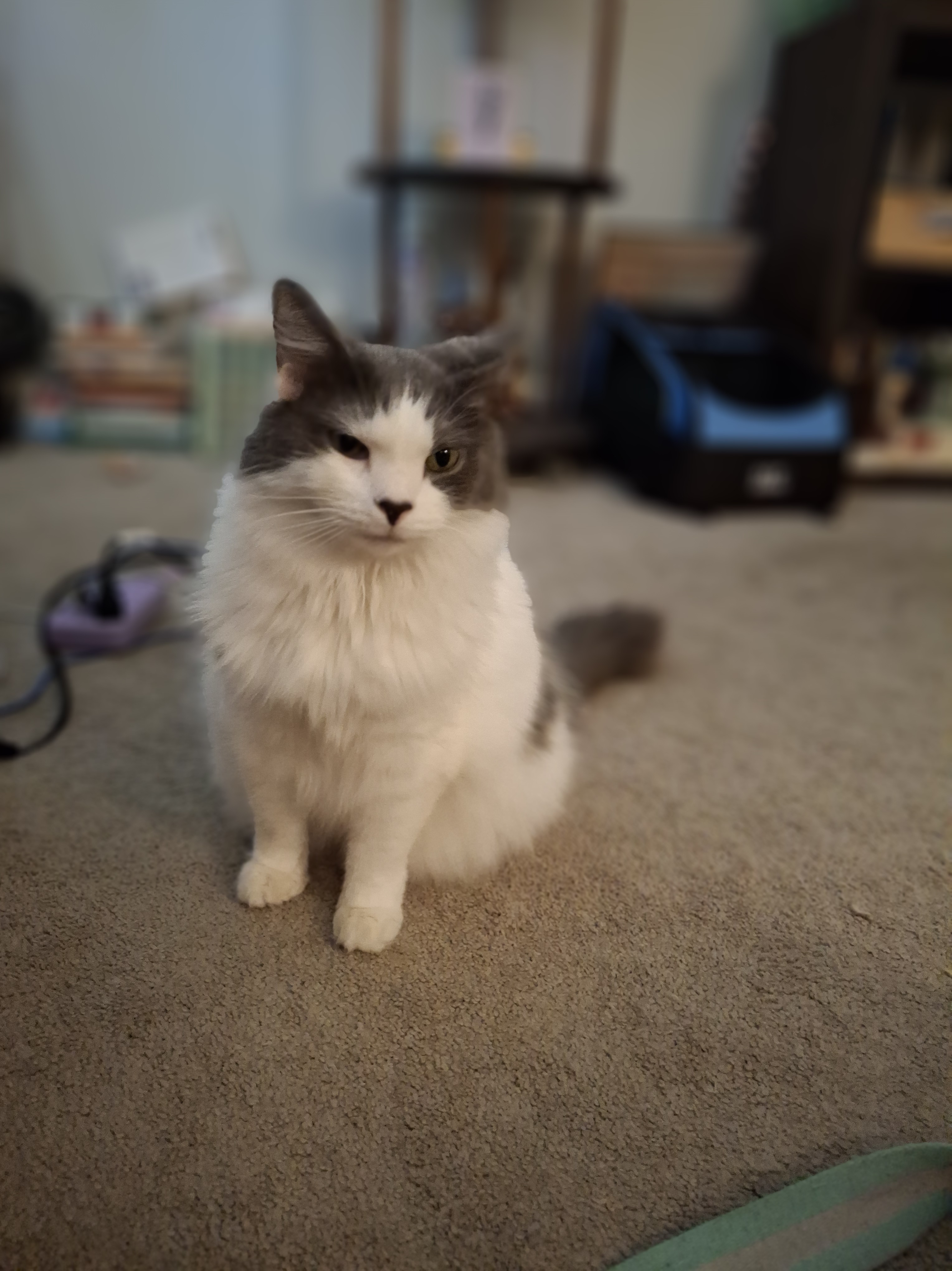
Plus, I’m a lot older and crankier now, and summer’s heat really does a number on my irritable bowel syndrome. And now I’m dealing with a new diabetes diagnosis, so forgive me if I get even crankier for a while. Time spent this week with some fur-nieces and nephews will be welcome in bringing down my crankiness level. As I write this, Dolly is grooming after her second breakfast, Cheeto is in his tent hideout, and Josie is resting and refusing to socialize, and since my wrists are wonky at the moment, I’ll let her instead of picking her up and carrying her to the couch for forced socialization.
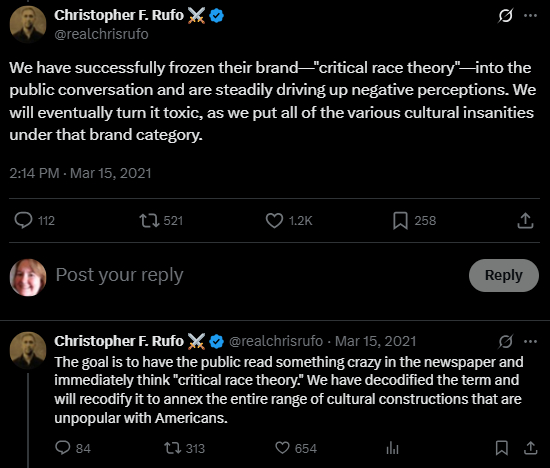
But for now, I’m still cranky. A big part of that, as a word nerd, is that hyperpartisans persist in trying to redefine words to mean what they believe they should mean (for … reasons). Christopher Rufo is one of the worst at that, and has admitted multiple times to redefining the narrow scope of “critical race theory” (an academic and legal framework examining systemic, not individual, racism, and that is taught mostly in grad school courses) to include just about anything that offends him. His “reporting” is typically overblown, rife with inaccuracies and falsehoods, and does exactly what he wants it to do: incites panic.
He’s also turned his attention to socialism lately (all part and parcel of the “cultural Marxism” kick that the right is trying to convince everyone will doom society because women, people of color, LGBTQ+, etc., get the same rights as straight white Christian men), but of course, it’s the scary socialism that’s really communism (if you really want to check his thoughts on that out, you can Google it; I don’t want to link my blog to his Substack, as dude gets too much attention as it is). It doesn’t help that the Democratic Socialists of America are gaining ground (the two-party primary system has some fault in that; of course they’ll run as Democrats, regardless of how many in the party establishment disagree with them; with “Democrat” as part of their name, they couldn’t even get in the door at a Republican primary).

When you make a definition so broad it can basically include everything, you make it meaningless, and that’s how socialism has come to be such a scare word. The concept, as I noted last week, predates Karl Marx, but he’s who is most often associated with socialism. French author Pierre Leroux is generally credited with coining the term long before Marx, who viewed that utopian socialism with distaste and considered it at best a transitional system. And Thomas More wrote about the subject before that in “Utopia,” advancing the idea of community over profit.
Before that, one could easily argue that Jesus was a socialist, considering his warnings on hoarding wealth and advocacy of helping the poor and the sick. But considering how many people view socialism as what communism turned out to be, you might draw back a bloody stump if you tried that. Because socialism equals Marxian communism, you see, even though in reality it doesn’t.
Not that you’ll ever get those who aren’t interested in furthering their knowledge to accept that.

Since I’m unlikely to change minds about what socialism is or isn’t, what’s needed is a dose of perspective.
The DSA has about 120,000 members. The Democrats have about 45.4 million members, and the GOP has about 39.2 registered members. There are around 175 million registered voters in the U.S., which leaves about 90 million or so unaffiliated voters (like me, who frankly is disappointed in all parties at this point). DSA’s portion of the electorate is about 0.07 percent, not exactly a percentage that should be fear-inducing, especially when the bulk of the races its candidates are winning are purely regional (not in the South, obviously) and not in any great number. Apparently there are a couple of chapters in Arkansas, but of course they’re in the only areas (central Arkansas and northwest Arkansas) that are more urban. They’re not likely to be winning votes from farmers around Weiner and Glenwood.
And again, what many are espousing when they talk about democratic socialism is not the eradication of private property and free enterprise, but more specifically the Nordic model of capitalist social democracy. Like our own more capitalist system in the United States, it’s a hybrid model that allows for private ownership, a market economy, and social welfare programs like universal health care and free education paid for mostly by funds from government partial ownership of major strategic industries (oil, gas, etc.) and taxes. The Life in Norway blog notes that some economists call it “cuddly capitalism,” as opposed to our more cut-throat form.
But socialist? Not really, especially by the Marxist definition.
But sure, those of you foaming at the mouth … you do you.



Growing up in Chicago we didn’t have any creeks to play in but there was this really large lake with a lot of good beaches on the shore of this lake.
LikeLiked by 1 person
And we did have lightning bugs on summer evenings to play with.
LikeLiked by 1 person
During a certain war which was fought from 1861 to 1865, there was a popular song about peanuts which was titled “Goober Peas”. Have you ever listened to it?
LikeLiked by 1 person
Never heard of it.
LikeLiked by 1 person
One of the members of the Rackensack Folklore Society likes to sing and play this song. That was how I learned this song.
LikeLike
Allows for private ownership and a market economy and social welfare programs such as universal health care and free education? Does it also encourage private ownership and a market economy and social welfare programs such as universal health care and free education as well as allowing for it?
LikeLiked by 1 person
When my sisters and I were children, one of our favorite activities when we were visiting our grandmother in Magnolia was helping our grandmother make home churned ice cream. My sisters and I would take turns cranking the ice cream maker to help our grandmother.
LikeLiked by 1 person
My childhood was like yours in many ways. I particularly miss the lightning bugs. (Haven’t seen one since I left Okla. City in 1999.) And the hand-churned fresh peach ice cream. And the watermelon from the ice-water filled stock tanks. And the arching branches of the spirea “bridal veil” bushes in the backyard.
As for political labels, the only one I really care about is “unaffiliated,” which describes me and more than one-third of all registered voters in Colorado.
LikeLiked by 1 person
Same, same, same! I love spirea to this day, and would love to find some that wouldn’t break the bank for my yard.
I don’t think I could live in a state where you’re required to declare membership in a party.
LikeLiked by 1 person